Trump approves production of Japanese compact cars for US market
- Last update: 53 minutes ago
- 2 min read
- 578 Views
- BUSINESS
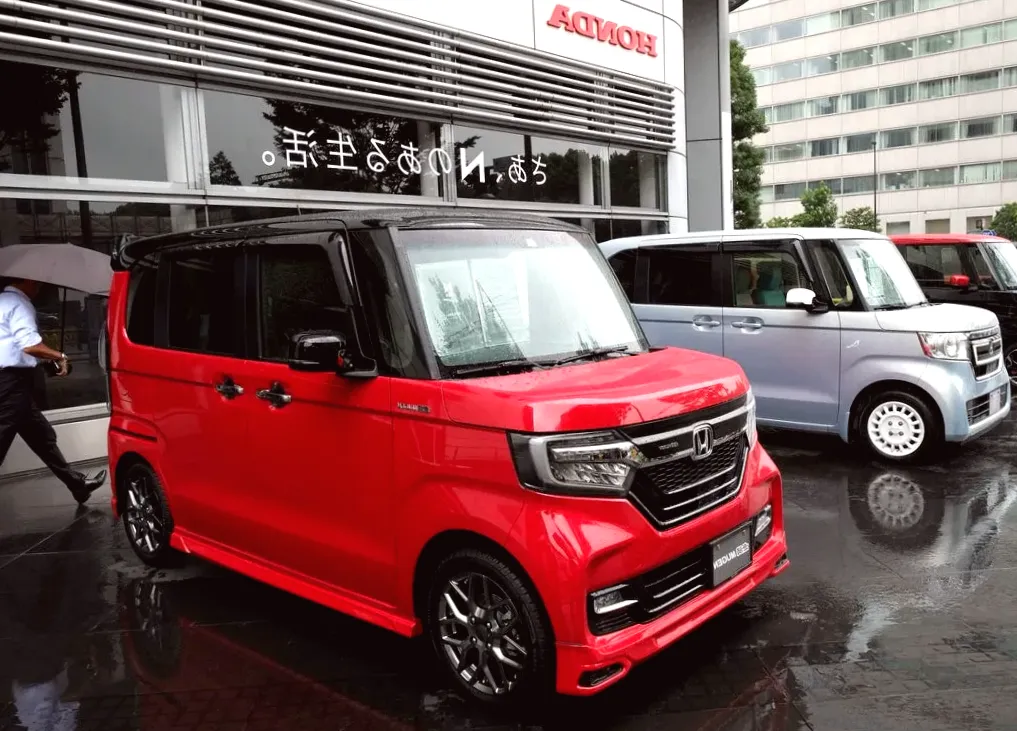
President Donald Trump announced that small vehicles, widely popular in Japan, will now be permitted to be manufactured in American factories. Posting on Truth Social, Trump stated, I have just approved TINY CARS to be made in America, describing them as very cute and highlighting their affordability, safety, and fuel efficiency. He added that these cars can run on gasoline, electricity, or a hybrid system, urging manufacturers to begin production immediately.
These compact vehicles, often referred to as Kei trucks, measure roughly 11 feet in length, 5 feet in width, and 6.5 feet in height. They represent about a third of Japans car market due to their small size and low cost. In Japan, a new Kei truck typically costs between $9,000 and $13,000, while used models range from $4,000 to $8,000, significantly cheaper than the average $50,000 price of a new car in the U.S.
Originally designed to meet Japans strict fuel economy standards, Kei trucks can achieve approximately 40 to 50 miles per gallon. Trumps announcement follows a recent decision by his administration and the National Highway Traffic Safety Administration to relax federal fuel standards, which were initially implemented under the Biden administration to promote electric vehicle adoption.
Producing Kei trucks in the U.S. would require modifications to meet American safety regulations, including adjustments to front-end width, seat dimensions, hood angles, and crash protection zones. Experts note that current Kei models do not comply with U.S. safety requirements, meaning exemptions or changes to federal standards would be necessary for legal sale.
A spokesperson from the Insurance Institute for Highway Safety commented, Kei cars can't be sold in the U.S. because they aren't designed for this market and don't meet various safety standards. The complexity of adjusting these standards remains uncertain, and it is unclear how the White House plans to address the regulatory challenges to allow U.S. production of these vehicles.
Author: Connor Blake