
Unions retaliate against increase in school dinner prices
- Last update: 1 days ago
- 2 min read
- 457 Views
- BUSINESS
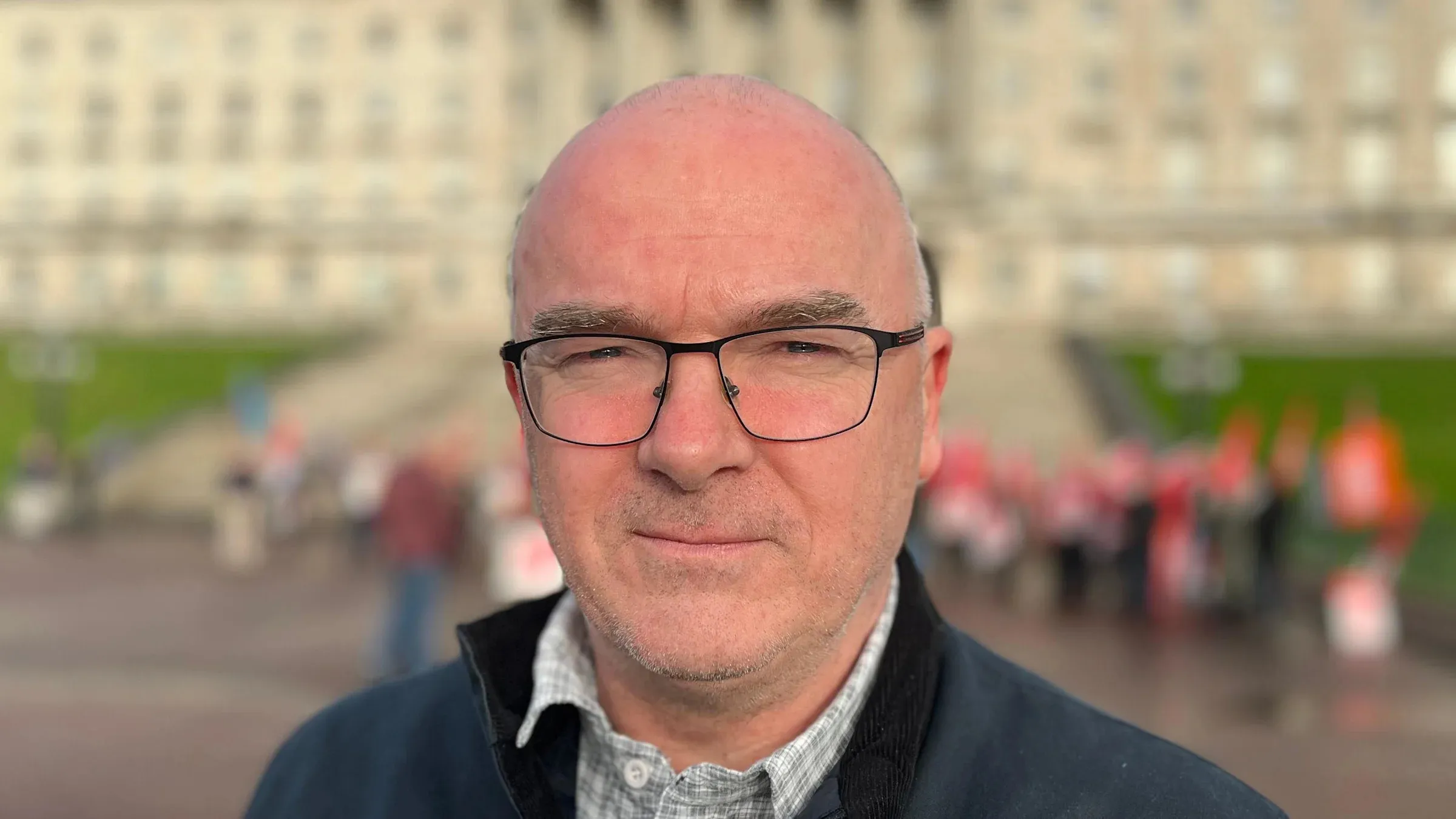
Several trade unions staged a demonstration opposing the Education Authority's (EA) decision to raise the cost of school meals and implement other budget-saving measures. The event, held at Stormont, was organized by NIPSA, Unite, GMB, and Unison.
According to the EA, starting January 2026, the price of a school meal for primary and special school students will rise by 50p, from 2.60 to 3.10.
Patrick Mullholland, deputy general secretary of NIPSA, emphasized the unions resolve to oppose the authoritys plans. He described the proposed cuts as both unrealistic and highly damaging if implemented. Mullholland urged the EA to develop a budget that prioritizes community needs, even if it requires overspending, stating that the Northern Ireland Assemblys decisions should focus on public needs rather than directives from Westminster.
Kellie Turtle, policy officer at Unison, criticized the increase as "irresponsible," arguing that it unfairly shifts the burden of educational funding onto children and families, many of whom are already facing financial pressures. She added that some of the cuts, particularly to EOTAS and transport services, would disproportionately affect children with special educational needs.
Jim Donley from GMB stressed that the EA requires adequate funding from the Executive, noting that vulnerable students are often the hardest hit by budget cuts. He called for an education system that is properly resourced and capable of meeting students needs.
The EA explained that school meal prices had remained unchanged since 2017/18, despite an inflation rise of approximately 35% over that period. They also stated that producing each meal costs an average of 4.28. Facing a funding shortfall of 300 million, the EA indicated that, unlike previous years, it does not anticipate receiving additional funds during the year to cover the deficit.
Author: Harper Simmons