

What you need to know about the ban on most US hemp products
- Last update: 1 days ago
- 3 min read
- 485 Views
- BUSINESS
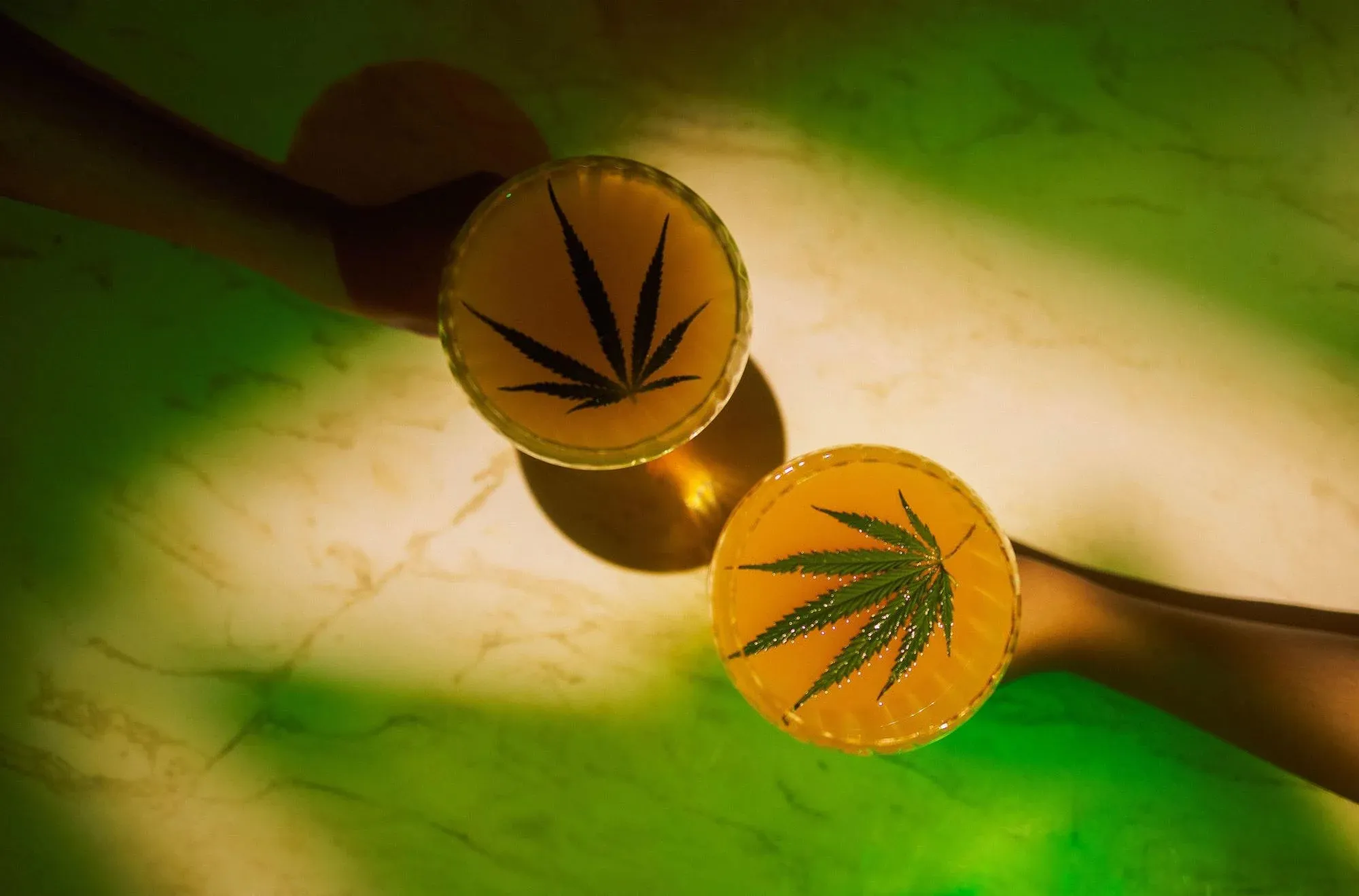
Last month, Congress passed a provision in the spending bill that will ban the majority of hemp-derived products, effectively ending the government shutdown with this late addition. The ban is scheduled to take effect in November 2026 and will significantly impact the availability, composition, and pricing of popular hemp-based items such as CBD tinctures, balms, and THC-infused beverages.
Will Hemp Products Still Be Available?
Availability will largely depend on state regulations. Jonathan Miller, general counsel for the US Hemp Roundtable, explains that states with existing legal hemp frameworks will likely see markets operate similarly to state-level recreational and medical cannabis programs. States have marijuana programs that are federally illegal, yet they continue to sell products. This pattern is expected to persist, he said.
Currently, hemp is defined as any plant-derived product containing less than 0.3% delta-9 THC, whereas recreational and medical cannabis products from licensed dispensaries can contain any amount of delta-9 THC. Under the new ban, hemp products will be restricted to just 0.4 mg of total THC per package, a minuscule amount found in most CBD-focused items.
State-Level Markets May Persist but Shrink
In states like Minnesota, Kentucky, Louisiana, Maine, Pennsylvania, Indiana, Iowa, New Mexico, Tennessee, New York, and Illinois, hemp markets are expected to survive in a reduced capacity. Miller notes that interstate commerce will be prohibited, limiting shipments across state lines and restricting online sales.
Products sold in state-licensed dispensaries are generally more expensive due to stricter regulations. With the federal ban, hemp retailers may face similar rules, including the tax implications of Section 280-E, which prevents businesses from deducting expenses related to federally illegal substances. This could drive up costs for producers and, in turn, consumers.
Price Increases and Market Shifts
Miller emphasizes that reduced market size will increase per-product costs. Economies of scale vanish if sales are confined to a single state, making products more expensive, he said. In states without legal hemp frameworks, companies may need to sell products through cannabis dispensaries, which could dramatically raise consumer prices.
Josh Kesselman, CEO of Raw, warns that CBD items could become prohibitively expensive, comparing the scenario to Canada where CBD products must be purchased in licensed dispensaries. He predicts items currently priced at $10 could rise to $80 under the new system.
THC Drinks Face Significant Threats
THC beverages, growing in popularity, may be most affected by the ban. Distributors who rely on interstate commerce might drop these products due to reduced profitability. This shift comes just as THC drinks are establishing themselves as a mainstream beverage category, recently tracked by Nielsen in a dedicated seltzer segment.
David Reich, CEO of Crescent Canna, warns that unless distribution adapts, many THC beverage companies could struggle to survive. Reduced distribution could also compromise product quality, as many distributors maintain rigorous safety and consistency standards.
Impact on CBD Effectiveness
Limiting THC in CBD products will reduce their efficacy. Full-spectrum CBD, which includes THC along with other cannabinoids and terpenes, produces stronger effects due to the entourage effect. Kesselman notes that while alternatives like other plant terpenes can help, they cannot fully replicate the natural synergy of the plant.
Exploring Alternatives
Some hemp companies are optimistic about adapting. Jasmine Johnson, CEO of GD Essence, highlights that many effects consumers value are linked to terpenes rather than cannabinoids. Plants such as lavender, chamomile, lemon balm, kanna, holy basil, cacao, and certain mushrooms may offer functional support for mood, focus, and calm, and companies are actively researching these possibilities.
Author: Ethan Caldwell
Share
Major lawsuit filed against sweeping new ban on popular consumer products: 'Access to these products is crucial'
1 days ago 2 min read BUSINESS

California revenue boosted by recent cannabis taxes
2 days ago 2 min read BUSINESS

Their Hemp Business Was Built in Good Faith but Washington Is About To Crush It
5 days ago 3 min read POLITICS