

The outlook for global energy systems following COP30
- Last update: 1 hours ago
- 4 min read
- 125 Views
- CLIMATE
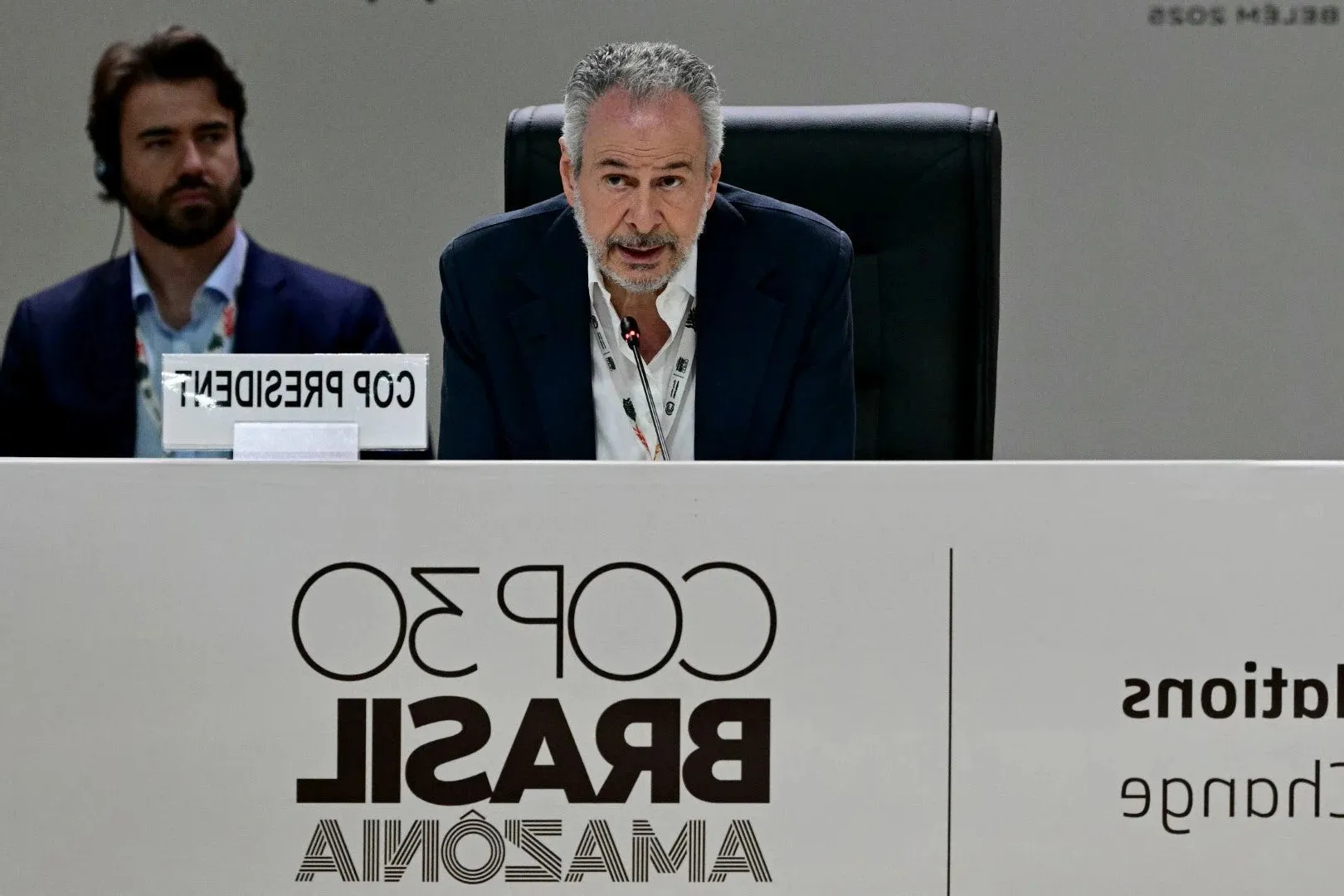
The COP30 summit concluded in Belm, Brazil, at the end of November with a mixture of reaffirmed goals and familiar policy deadlocks. Delegates highlighted increased funding for renewable energy and support for energy transitions in developing nations, but the summit ended without a clear plan to phase out fossil fuels. For the global power sector, which is central to both climate action and economic growth, this absence raises critical questions about the pace and direction of energy transitions.
The summit's timing is significant, coming ten years after the signing of the Paris Agreement in 2015. While power systems have become cleaner and more extensive over the decade, a lack of coordinated policies and investments continues to slow necessary progress.
Debate Over Fossil Fuels
A major point of contention at COP30, as in previous conferences, was including specific language on phasing out fossil fuels. Several nations called for explicit commitments, but opposition from countries heavily reliant on oil and gas meant the final text only reaffirmed the broader transition away from fossil fuels agreed at COP28. Many observers viewed this as a disappointing lack of actionable steps.
Some experts argue that this outcome reflects geopolitical realities. Certain governments resist international agreements on fossil fuel phase-outs for reasons including national energy plans and the desire to retain domestic decision-making authority. Nevertheless, for utilities and investors, national regulations remain the key drivers of decarbonization, as COP agreements are typically non-binding.
Despite these limitations, there were positive signals. Over 80 countries expressed strong support for a roadmap to phase out fossil fuels, a development seen as politically significant. Notably, South Korea and Bahrain joined the Powering Past Coal Alliance, committing to reduce coal usea particularly notable step for South Korea, which operates the worlds seventh-largest coal fleet.
Investments in Storage, Grids, and Developing Nations
Beyond fossil fuel debates, COP30 delivered commitments to expand energy storage and grid infrastructure, critical bottlenecks in the clean energy transition. The Utilities for Net Zero Alliance pledged $148 billion per year for renewables, grids, and storage, a 27% increase from COP29 targets. This aligns with efforts to achieve 1.5TW of global energy storage, double grid investments, and add 25 million kilometers of transmission lines by 2030.
Additional initiatives included:
- The Global Grid Catalyst committing $7 million to support new grid and storage projects.
- The Green Grids Initiative launching a framework to accelerate grid investment and resilience in emerging economies.
- The Inter-American Development Bank creating a platform to modernize power grids in Latin America and the Caribbean.
- Asian Development Bank and World Bank pledging $12.5 billion to strengthen Southeast Asian grids.
COP30 also called for developed countries to triple funding for climate infrastructure in developing nations by 2035. While this target remains insufficient, it marks incremental progress in addressing financial barriers that prevent poorer nations from shifting away from fossil fuels.
Moving Toward a Clean Energy Future
Despite mixed outcomes, the trajectory for renewable energy remains positive. Costs for wind, solar, and battery technologies continue to fall, making clean energy increasingly competitive with fossil fuels. In 2025, renewable energy grew faster than global demand, while fossil fuel use declined, reflecting progress in line with the Paris Agreement.
What is still lacking are concrete roadmaps for fossil fuel phase-out. Experts emphasize the need for international forums to coordinate timelines and identify where support is required. Although COP30 did not produce fully actionable steps, it highlighted areas for investment and international collaboration.
Ten years after Paris, renewables are cheaper, grids are attracting attention, and investment appetite for clean energy is growing. However, sustained progress requires more funding and globally coordinated policies. While COP30 fell short of delivering definitive action, the sector and public remain committed to advancing a fair and funded global energy transition.
Author: Grace Ellison
Share

Report: Nuclear energy set to significantly increase in Africa's energy mix
1 hours ago 3 min read WORLD

Democrats aim to establish a fresh approach towards fossil fuels.
1 days ago 2 min read POLITICS

Specialists collaborate on UN climate report despite resistance from the US
4 days ago 2 min read WORLD
Scientists warn of 'dangerous threat' facing 2 billion people if specific changes are not implemented
5 days ago 2 min read HEALTH