

Report: Nuclear energy set to significantly increase in Africa's energy mix
- Last update: 44 minutes ago
- 3 min read
- 805 Views
- WORLD
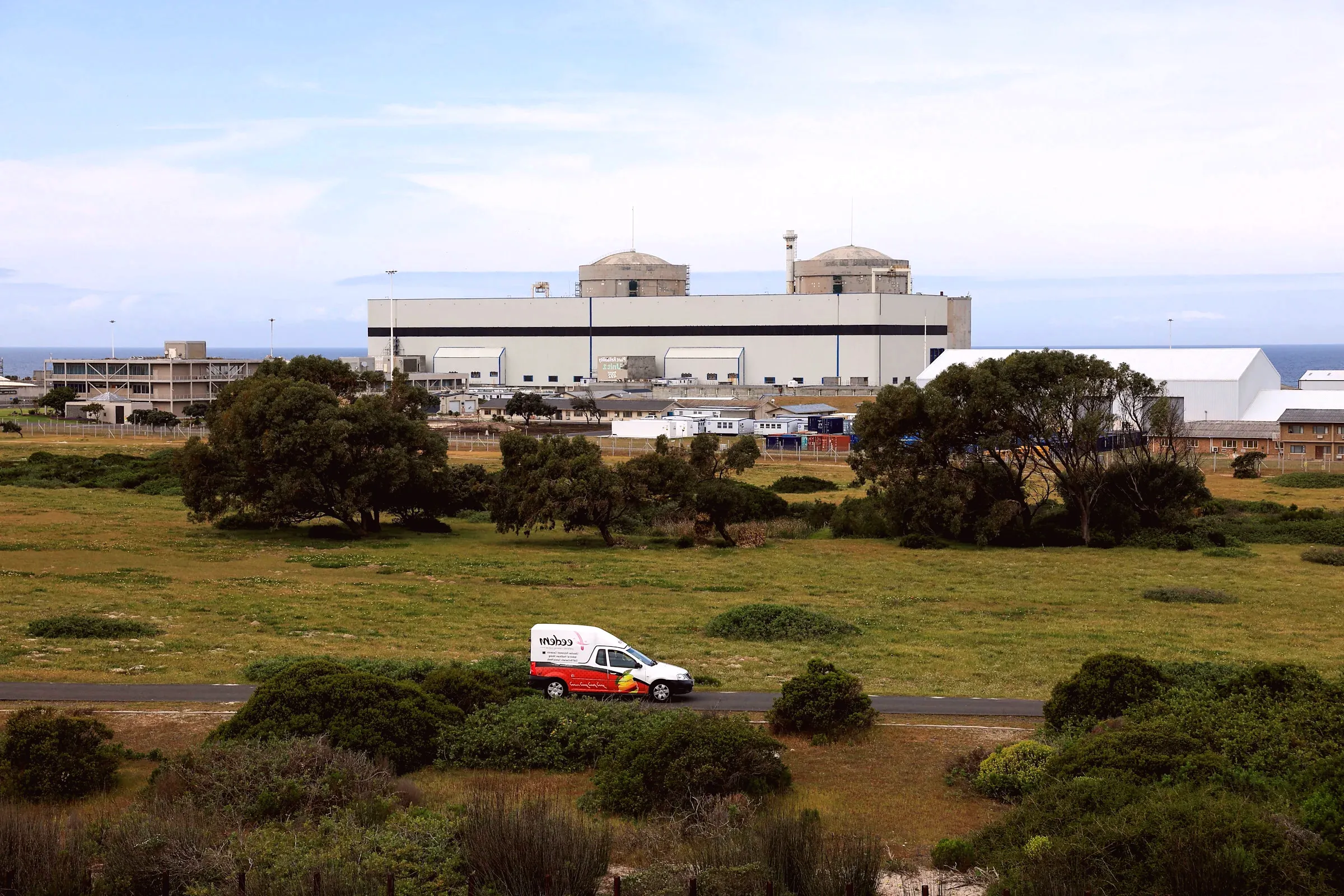
African nations could rely more heavily on nuclear energy to provide up to a third of their electricity by mid-century, provided suitable infrastructure and financial incentives are implemented, according to a recent analysis. The report suggests that by 2050, nuclear power could supply up to 30% of electricity in Ghana, Nigeria, and South Africa, while Rwanda might reach 24%.
The Rockefeller Foundation conducted the study, examining eight emerging economies including Brazil, India, Indonesia, and the Philippines. It found that increasing nuclear investment could lower electricity generation costs by at least 13% compared to relying solely on renewable sources.
More than 500 million Africans currently lack electricity access. Nigeria, the continents most populous country, has the highest number of people without power worldwide. This has driven initiatives like the World Bank and African Development Banks Mission 300 program, which seeks $90 billion to connect 300 million Africans to electricity by 2030, though only around $50 billion has been pledged so far.
Nuclear energy, like solar, wind, and hydropower, can play a major role in expanding clean energy access and bridging the electricity gap across emerging economies, particularly in Africa, the Rockefeller Foundation emphasized.
South Africa is currently the only African country with a functioning nuclear power plant. The Koeberg plant near Cape Town, managed by state-owned Eskom, supplies 5% of national electricity. A new 4-gigawatt facility is planned in the same region. The countrys nuclear capacity could grow from 2 gigawatts to 22 gigawatts by 2025, the report noted. South Africa also plans to restart the Pebble Bed Modular Reactor project by early 2026, a program previously paused after over $500 million in investments.
Other African nations are developing nuclear projects, especially small modular reactors, which are simpler to construct, transport, and install in remote locations. Ghana and Rwanda are leading in this area, attracting interest from China, France, Russia, South Korea, and the US. Ghanas first nuclear plant site was evaluated by the International Atomic Energy Agency in February.
Challenges Ahead
The Rockefeller report highlighted that expanding nuclear energy in Africa will face significant hurdles. Investment risks, government efficiency, and public engagement are major concerns. At the recent World Nuclear Symposium in London, officials cited additional challenges including financing, supply chain issues, limited skilled workforce, and uranium shortages.
Ghanas nuclear ambitions are limited by fiscal pressures related to debt restructuring, despite political support. Nigerias economic recovery efforts could restrict nuclear financing options. In Rwanda, strong government backing has yet to overcome public safety concerns. The International Atomic Energy Agency estimates that Africa needs roughly $100 billion to triple nuclear capacity by 2030. Ethiopia and Niger are seeking partnerships with Russia for their nuclear projects.
Author: Chloe Ramirez
Share
Report: Nuclear energy set to significantly increase in Africa's energy mix
44 minutes ago 3 min read WORLD

The outlook for global energy systems following COP30
49 minutes ago 4 min read CLIMATE
Understanding small modular reactors, a new type of nuclear power plant designed to supply energy for AI's increasing demand.
1 days ago 3 min read WORLD
Scientists warn of 'dangerous threat' facing 2 billion people if specific changes are not implemented
5 days ago 2 min read HEALTH