

Devo's Mark Mothersbaugh reflects on band's second Grammy nomination, half a century of music and visuals
- HOME
- ENTERTAINMENT
- Devo's Mark Mothersbaugh reflects on band's second Grammy nomination, half a century of music and visuals
- Last update: 59 minutes ago
- 3 min read
- 941 Views
- ENTERTAINMENT
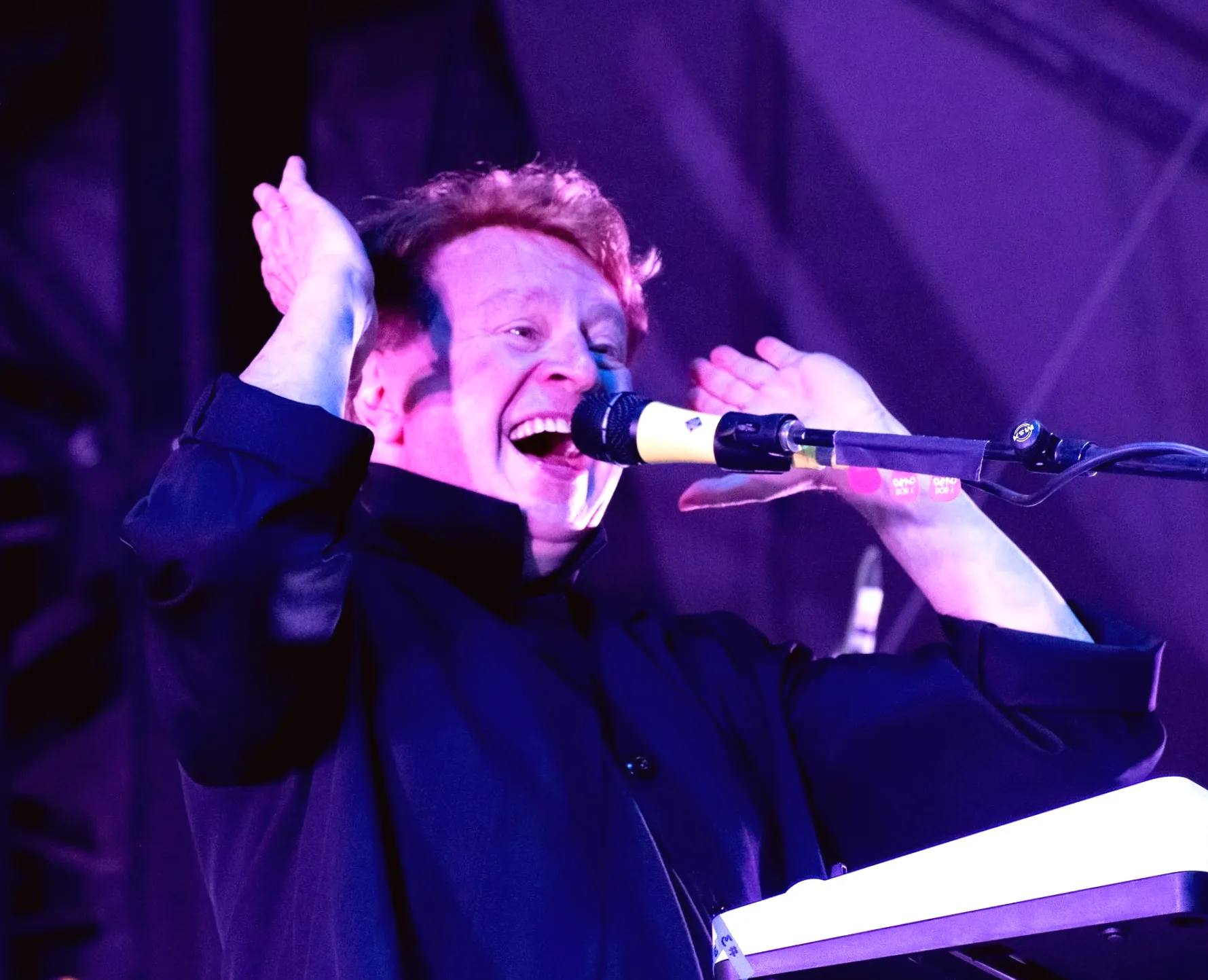
Are we not men? Were fragile old men. Thats how Devo frontman Mark Mothersbaugh describes the bands original members after concluding their 50 Years of De-Evolution tour and securing their second Grammy nomination. In November, the group earned a nod for best music film for their self-titled Netflix documentary directed by Chris Smith.
The bands previous Grammy recognition came in 1985 for best video album for Were All Devo, though the award ultimately went to Making Michael Jacksons Thriller. While many know Mothersbaugh as the bespectacled face of Devo, much of his career has been spent composing for film and television. He recently scored A Minecraft Movie, working on it even while touring.
Mothersbaugh says he learned about the new nomination on his way to work: People who had been up earlier were already congratulating me, and I didnt know why. Being in the last days of Devo and getting this nomination feels pretty sweet.
From Kent State to Cultural Commentary
Founded in 1973 by Mothersbaugh and Gerald Casale at Kent State University, Devo grew out of shared anti-war activism and a desire to create art with a message. Their core theme that Western civilization is regressing rather than advancing shaped their music, visuals, and often eccentric stage presence.
A Visual Legacy Comes Full Circle
The new Grammy nod is fitting for a band that emphasized visuals from the start. In 1976, they created a short film, In the Beginning Was the End: The Truth About De-Evolution, working with music-video pioneer Chuck Statler. Years before MTV launched in 1981, Devo was already experimenting with video as an extension of their art.
Devo became one of MTVs early staples when Whip It aired during the channels first year, instantly boosting their national profile. However, MTV later pushed back on their video for Thats Good, claiming the imagery notably a French fry entering a doughnut was too suggestive, a judgment the band found inconsistent with the channels other content at the time.
Pushing Boundaries on Stage
In the early '80s, Devo began integrating synchronized visuals into live performances, projecting clips and characters on a 20-foot screen. Before digital sequencing existed, the band used 35mm film audio tracks for timing, coordinated by drummer Alan Myers. Limited budgets meant only part of the show included visuals, but the band continued experimenting, even working with early supercomputers like the Cray-1 to generate 3D imagery.
Some of those original animations including the iconic floating energy dome returned during the 50 Years of De-Evolution tour, which began in December 2023.
Fifty Years Later: Still Moving
The anniversary tour, later expanded with additional dates, wrapped in November. Devo also joined The B-52s for a nine-city Cosmic De-Evolution Tour, marking the first time the two 70s-born bands toured together. Two more joint shows are planned for the United Kingdom in June 2026.
Mothersbaugh says performing now brings a mix of nostalgia and determination: Were fragile old men on stage, trying to keep the same energy we had at 25. Maybe the songs are a bit slower, but were still moving, still active. Gerry looks great up there he loves to dance.
A New Generation Discovers Devo
On tour, the band has seen growing numbers of young fans. Mothersbaugh says digital access has changed how music is discovered: We played Soldier Field and saw so many kids singing along. They look up bands they love, then who inspired those bands, and eventually they reach us. When I was young, that information was hard to find. Its a great time to be curious.
Author: Logan Reeves