

Guillermo Del Toro's Frankenstein Scene Inspired by American Gigolo
- HOME
- ENTERTAINMENT
- Guillermo Del Toro's Frankenstein Scene Inspired by American Gigolo
- Last update: 2 days ago
- 4 min read
- 425 Views
- ENTERTAINMENT
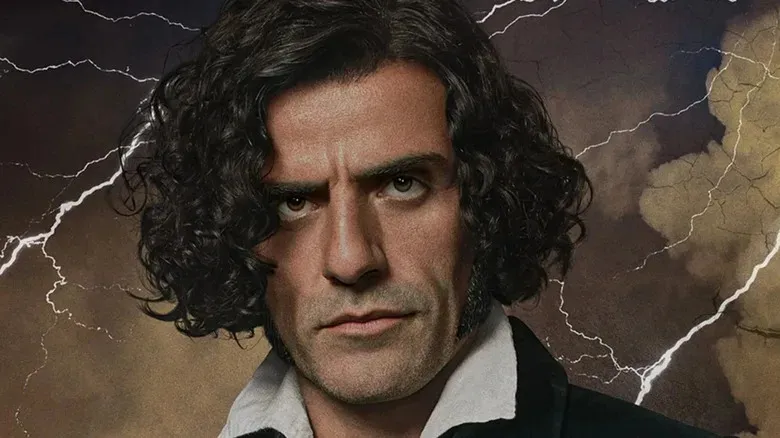
It would be an oversimplification to claim that Frankenstein has just one clear theme, yet the most powerful interpretation remains tied to the idea of parenthood. Mary Shelleys own life was marked by tragedy her infant daughter, Clara, died just days after birth in 1815. Out of this unbearable loss, Shelley imagined a story that challenged death itself. Victor Frankenstein creates life, but recoils from his own achievement. Terrified by the Creatures appearance, he abandons what he brought into the world, leaving a being born into rejection and loneliness, one who ultimately seeks vengeance against the father who refused him.
In Guillermo del Toros new adaptation, the Creature, portrayed by Jacob Elordi, addresses Victor (Oscar Isaac) with a chilling plea: he does not ask for glory, only for love and promises rage if that love is denied. While the film softens the emotional portrait of the so-called monster, it sharpens the idea that the true monstrosity lies in Victor himself. Parenthood remains central to the narrative, but del Toro expands the focus backward, looking at Victors own upbringing.
Victors father in the film, Baron Leopold Frankenstein (played by Charles Dance), is portrayed as merciless and rigid. He expects brilliance from his son but offers no warmth or compassion. In one powerful moment, Leopold is shown striking Victor with a stick when he fails during his medical studies. That scene appears only once, a deliberate choice inspired by Paul Schraders American Gigolo. In that film, a brief montage of Julian Kay meticulously dressing for his work is enough to suggest countless similar moments in his life. Del Toro uses the same storytelling economy: show the cruelty once, and the audience understands it has happened many times before.
This version of Leopold is a sharp contrast to the novels Alphonse Frankenstein, who is depicted as caring and deeply supportive. In Shelleys story, Victors downfall is entirely of his own making, and his father eventually dies from grief as his family is torn apart. Other adaptations, such as the 2004 Hallmark miniseries, even show Victor being disowned by his devastated parent. Del Toro, however, transforms Victors childhood hunger for knowledge into something imposed upon him through harsh, relentless training in surgery and discipline.
From the very beginning of the project, del Toro had Charles Dance in mind. The director believed that Dances commanding presence alone would reveal everything about Victors emotional origins. Known to many as Tywin Lannister from Game of Thrones, Dance has often embodied powerful but destructive patriarchs. The comparison fits well: Tywins cold insistence on legacy and perfection mirrors Leopolds brutal expectations. Like Tywins son Tyrion scorned for his appearance yet deeply eloquent and painfully self-aware the Creature also becomes a reflection of a rejected child desperate for acceptance.
Unlike in the original novel, Victor does not flee immediately after giving life to the Creature. Instead, his initial triumph fades as the burden of responsibility takes hold. He does not gently guide his creation, but rather demands rapid understanding and impossible growth, expecting him to become more than a helpless, newborn mind. Eventually, Victor strikes the Creature with a metal rod an echo of the violence once inflicted upon him. The parallel is unmistakable: he is repeating the same destructive form of parenting he endured. Where young Victor only suffered in silence, the Creature finally resists, taking the weapon and snapping it in two.
Del Toro interprets Victors rejection not just as fear, but as narcissism. In his view, Victor is incapable of imagining a future that does not center on himself. When the Creature fails to meet his ideal to be beautiful, brilliant, and instantly articulate Victor feels betrayed. In such relationships, children are not seen as individuals, but as extensions, as accessories meant to reflect a parents greatness.
Yet the film also offers hope that another kind of fatherhood is possible. The Creature encounters a kind, blind man who treats him with gentleness and dignity, teaching him language, empathy, and love. This character is portrayed by David Bradley, who previously worked with del Toro as the voice of Geppetto in Pinocchio another story of an artificially created child searching for connection with a father.
Del Toros Frankenstein ultimately moves toward reconciliation instead of pure tragedy. As Victor lies near death, he finally recognizes that the Creature is not simply his reflection or his failure. He tells him that life itself is his only true path forward. In this moment, Victor accepts that his creation exists as an independent being, no longer bound solely to the shadow of his maker.
Author: Maya Henderson
Share
Director Guillermo del Toro shoots all scenes with Jacob Elordi's Creature and Mia Goth's Elizabeth at a higher frame rate, enhancing emotional impact
3 days ago 2 min read MOVIES

Guillermo del Toro Criticizes AI and Praises Human Artistry in 'Frankenstein' Gotham Award Acceptance Speech
3 days ago 2 min read MOVIES