

Is edamame a reliable protein source?
- HOME
- ENTERTAINMENT
- Is edamame a reliable protein source?
- Last update: 1 hours ago
- 2 min read
- 194 Views
- ENTERTAINMENT
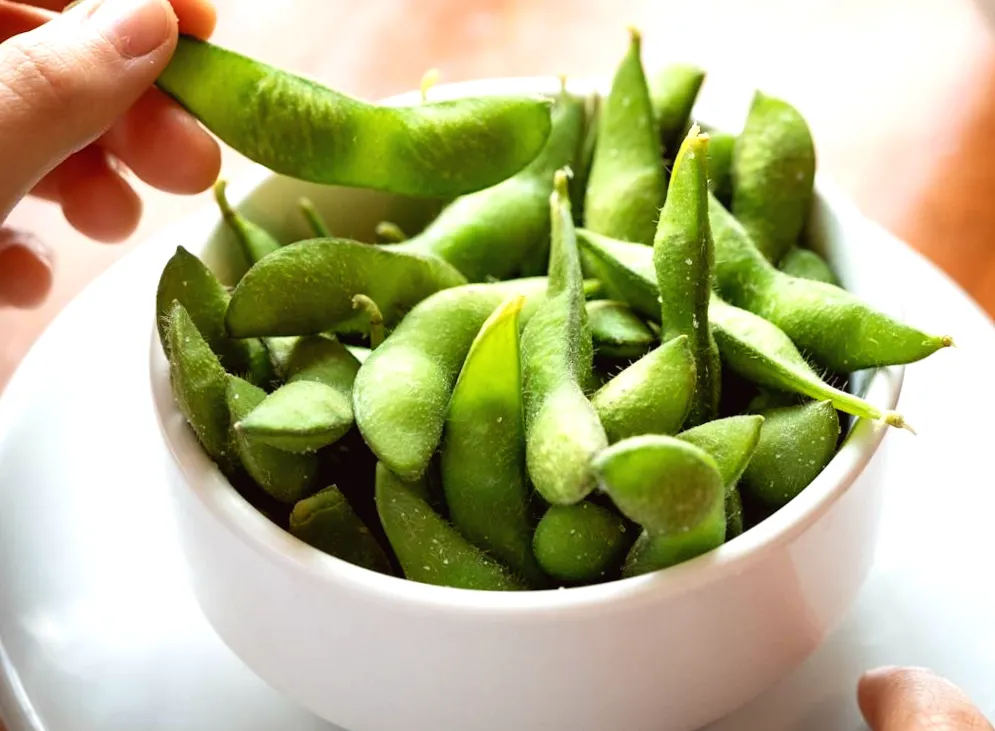
If you want to effortlessly boost the protein content of your meals, edamame beans are an excellent choice. These small soybeans are packed with essential nutrients, including various B vitamins, magnesium, amino acids, and fiber. Native to East Asia, edamame are young, green soybeans that are typically steamed and lightly salted, making for a tasty and nutritious snack.
Health Benefits of Edamame
Edamame is rich in both micro and macronutrients and is considered a complete protein, containing all nine essential amino acids. This makes it a rare plant-based protein source. A half-cup serving provides approximately 94 calories, 9 grams of protein, and 4 grams of fiber, slightly surpassing the protein content of one egg. The beans are also loaded with vitamins and minerals such as B vitamins (including folate), vitamin K, calcium, choline, iron, magnesium, phosphorus, and potassium.
Protein and Fiber
Edamame delivers both soluble and insoluble fiber, nutrients often underconsumed in typical diets. Insoluble fiber supports gut health, while soluble fiber can help regulate cholesterol, blood sugar, and lipid levels. The complete protein profile of edamame further contributes to immune function, metabolism, and hormonal balance.
Additional Compounds
These beans also contain phytonutrients and isoflavones, compounds currently being studied for their potential health effects. Early research indicates that soy isoflavones might help reduce menopause symptoms and potentially lower the risk of some cancers, including breast cancer, though more evidence is needed.
Who Should Be Cautious?
Past controversies suggested soy might negatively impact health, but extensive research has disproven links to breast cancer or reduced testosterone levels. The only reason to avoid edamame is a soy allergy.
In Summary
Edamame is a low-calorie, protein-rich bean with numerous potential health benefits. It can be enjoyed on its own as a snack or incorporated into soups and salads, making it a versatile addition to a balanced diet.
Author: Noah Whitman
Share
Pete Hegseth's 'Franklin the Turtle' meme is disrespectful to the U.S. military
25 seconds ago 2 min read ENTERTAINMENT

JoJo Siwa Provides Update on Health Status Following Hospitalization for Burst Ovarian Cyst
1 minutes ago 2 min read ENTERTAINMENT

CPA Canada announces 4,188 CFE honour roll recipients
2 minutes ago 1 min read ENTERTAINMENT

'HBO Max Executive Describes 'Harry Potter' Series as a Charming Adaptation: Viewers Will Recognize It as the Books'
2 minutes ago 1 min read ENTERTAINMENT

Justin Trudeau and Katy Perry Show PDA in Tokyo
2 minutes ago 2 min read ENTERTAINMENT

Add Elizabeth Olsen's 2023 True Crime Miniseries to Your Netflix Queue
3 minutes ago 3 min read ENTERTAINMENT

"My Family Inspired Jordan's Generations-Spanning Oscar Submission: ‘All That’s Left Of You’" - Contenders International
4 minutes ago 2 min read ENTERTAINMENT

Model Sofia Jamora Shows Off Curves in Revealing Top and Leopard Print While Traveling in Luxury Jet
5 minutes ago 1 min read ENTERTAINMENT

Sean Combs' Mother Criticizes Netflix for "False" Claims of Son Hitting Her & Other Alleged "Fake Narratives" in 'Reckoning' Docuseries
5 minutes ago 2 min read ENTERTAINMENT

'The Story of Silyan' Wins Best Documentary at the IDA Documentary Awards
6 minutes ago 3 min read ENTERTAINMENT