

RFK Jr. Seeks to Postpone Hepatitis B Vaccine — Important Information for Parents
- HOME
- ENTERTAINMENT
- RFK Jr. Seeks to Postpone Hepatitis B Vaccine — Important Information for Parents
- Last update: 1 days ago
- 4 min read
- 785 Views
- ENTERTAINMENT
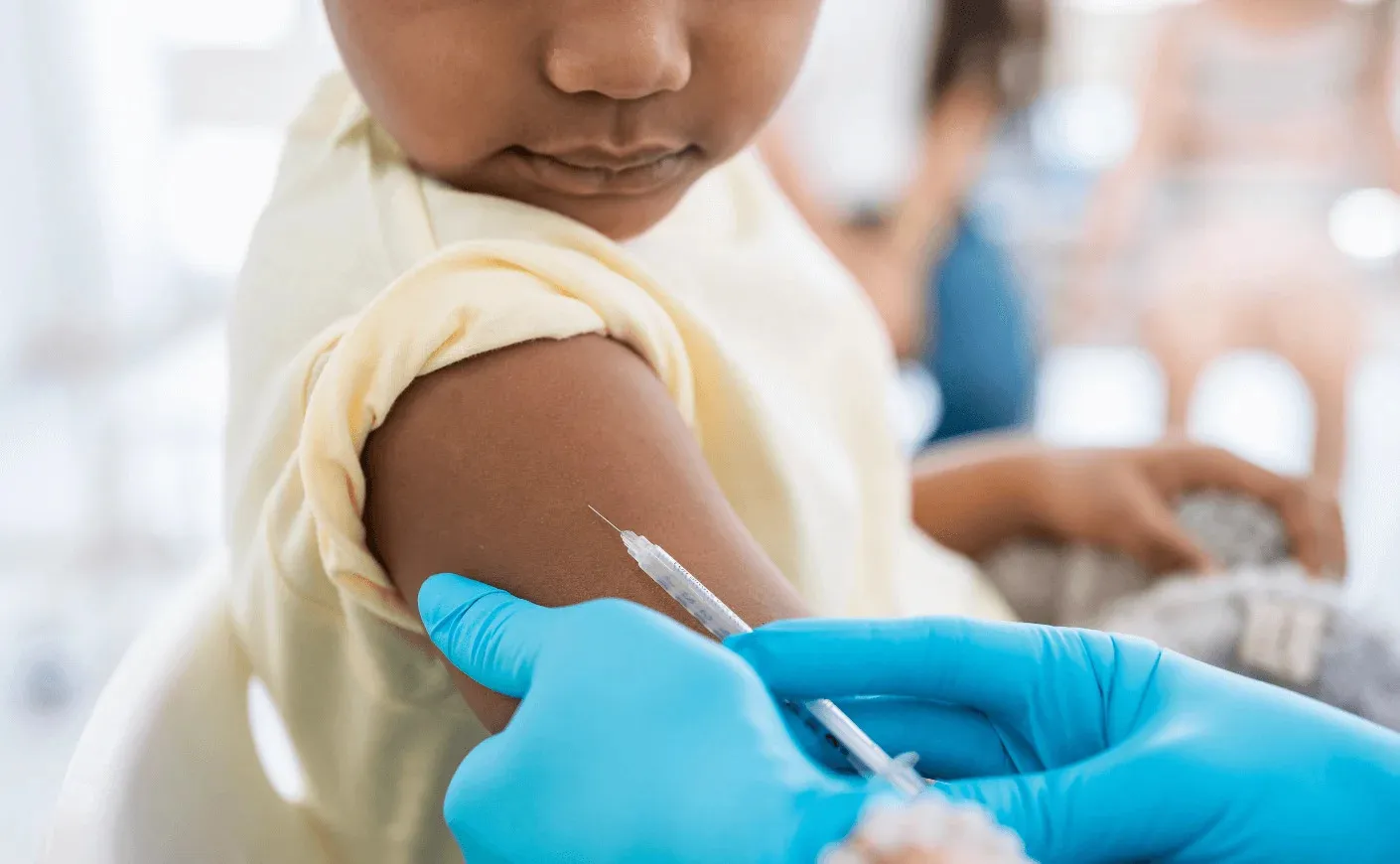
At a tribal hospital in Anchorage, Alaska, liver specialist Brian McMahon has spent decades confronting the devastating effects of hepatitis B. Before the vaccine's introduction in the 1980s, the virus claimed young lives rapidly in western Alaskan communities.
McMahon recalls treating a 17-year-old girl who came in with stomach pain and was diagnosed with liver cancer caused by hepatitis B, just weeks before her high school graduation. She died before the ceremony. He also remembers an 8-year-old boy whose otherwise healthy appearance hid a fast-growing liver tumor. The boy told McMahon, I know I am going to die soon, before passing away a week later.
The hepatitis B virus spreads through blood and bodily fluids, even in microscopic amounts, and can survive on surfaces for up to a week. Many infections occur at birth or in early childhood. Today, vaccination has made these outcomes largely preventable. A birth dose of the hepatitis B vaccine, recommended since 1991, can prevent up to 90% of mother-to-child transmission when administered within 24 hours of birth. Completing all three doses provides 98% immunity lasting at least 30 years.
Targeted vaccination campaigns in western Alaska have dramatically reduced cases. McMahon notes, Liver cancer has disappeared in children. We havent seen a case since 1995, nor any children under 30 infected that we know of.
However, there is concern that progress could be reversed. A vaccine advisory panel appointed by Robert F. Kennedy Jr. is scheduled to discuss and vote on the hepatitis B birth dose recommendation during a meeting beginning Dec. 4, potentially limiting access for newborns.
Earlier this year, Kennedy claimed on a podcast that the hepatitis B birth dose might be linked to autism and argued the virus is not easily contagious. Yet decades of research show it can spread through indirect contact, such as shared personal items like razors or toothbrushes.
The advisory committees guidance affects coverage: most private insurers follow their recommendations, and many state vaccination policies align with them. While neither the CDC nor ACIP can mandate vaccines, maintaining the birth dose recommendation allows families flexibility to vaccinate immediately, delay, or decline, while retaining insurance coverage.
Recently, senior FDA officials have hinted at potential changes to vaccine approval procedures. Internal emails revealed questions about administering multiple vaccines simultaneously, though it is unclear if this refers to combination vaccines. The birth dose of hepatitis B is currently a standalone shot.
Experts warn that misinformation from the panel could mislead families. Sean OLeary of the American Academy of Pediatrics said the meeting is mainly designed around sowing distrust and spreading fear. Misrepresentations of hepatitis B transmission risk, including by Kennedy and some ACIP members, ignore its high infectivity compared to HIV. Even minimal exposure to infected blood can transmit the virus.
McMahon emphasizes that giving the vaccine at birth remains the most effective prevention. CDC screening of pregnant people misses up to 16% of infections, and hospitals often lack resources to test at delivery. The three-dose vaccine has a strong safety record, with serious reactions being rare.
Hepatitis B affects an estimated 2.4 million people in the U.S., half of whom are unaware. Infection can be acute or chronic, often asymptomatic, and may lead to cirrhosis, liver failure, or cancer. There is no cure.
William Schaffner, former ACIP member, advises parents to consult their doctors. Even if a pregnant person tests negative, the birth dose is essential due to potential false negatives and ease of virus transmission. Babies receiving the full vaccine series have an 84% lower risk of liver cancer. Delaying vaccination increases infection risk and can raise healthcare costs significantly.
Over the past three decades, the main reported side effects from the birth dose have been temporary fussiness and crying. Experts stress that the vaccines benefits far outweigh these minor reactions. Countries worldwide have successfully modeled vaccination programs after U.S. protocols, demonstrating global effectiveness.
Author: Grace Ellison
Share

Jersey Shore Star Sammi ‘Sweetheart’ Giancola Ties the Knot with Justin May
51 seconds ago 2 min read ENTERTAINMENT
Oscar Contender 'The Librarians' to Headline Winter Season of PBS Series 'Independent Lens'
53 seconds ago 3 min read ENTERTAINMENT
Kris Jenner reveals her nose as the only real feature on her face following viral facelift
1 minutes ago 2 min read ENTERTAINMENT

'Today' Interview With Craig Melvin Interrupted by Jamie Lee Curtis' Emotional Remark
1 minutes ago 2 min read ENTERTAINMENT

Kandi Burruss Shares Emotional Update on Coping with 'Life-Changing' Divorce from Todd Tucker
2 minutes ago 3 min read ENTERTAINMENT

Kandi Burruss acknowledges feeling 'emotionally shattered' during Todd Tucker divorce
3 minutes ago 2 min read ENTERTAINMENT

Brad Pitt's Hitman Film Is Among the Most Underrated Crime Thrillers of the 2010s
4 minutes ago 2 min read ENTERTAINMENT

Colombia’s Displaced Communities Shine in Juan Andrés Arango’s ‘Where the River Begins’
5 minutes ago 3 min read ENTERTAINMENT
![The Final Episode of The Last Frontier Was Initially Different [Exclusive]](/thumb_image/69d071c0-7215-4d2f-a257-46fe76e33f5d.webp)
The Final Episode of The Last Frontier Was Initially Different [Exclusive]
5 minutes ago 2 min read ENTERTAINMENT

Did Harry make a joke about Trump in a sketch for Late Show?
6 minutes ago 2 min read ENTERTAINMENT