

Ryan Lizza and Olivia Nuzzi Were a Perfect Match - and Both Harmed Journalism
- HOME
- ENTERTAINMENT
- Ryan Lizza and Olivia Nuzzi Were a Perfect Match - and Both Harmed Journalism
- Last update: 2 days ago
- 4 min read
- 27 Views
- ENTERTAINMENT
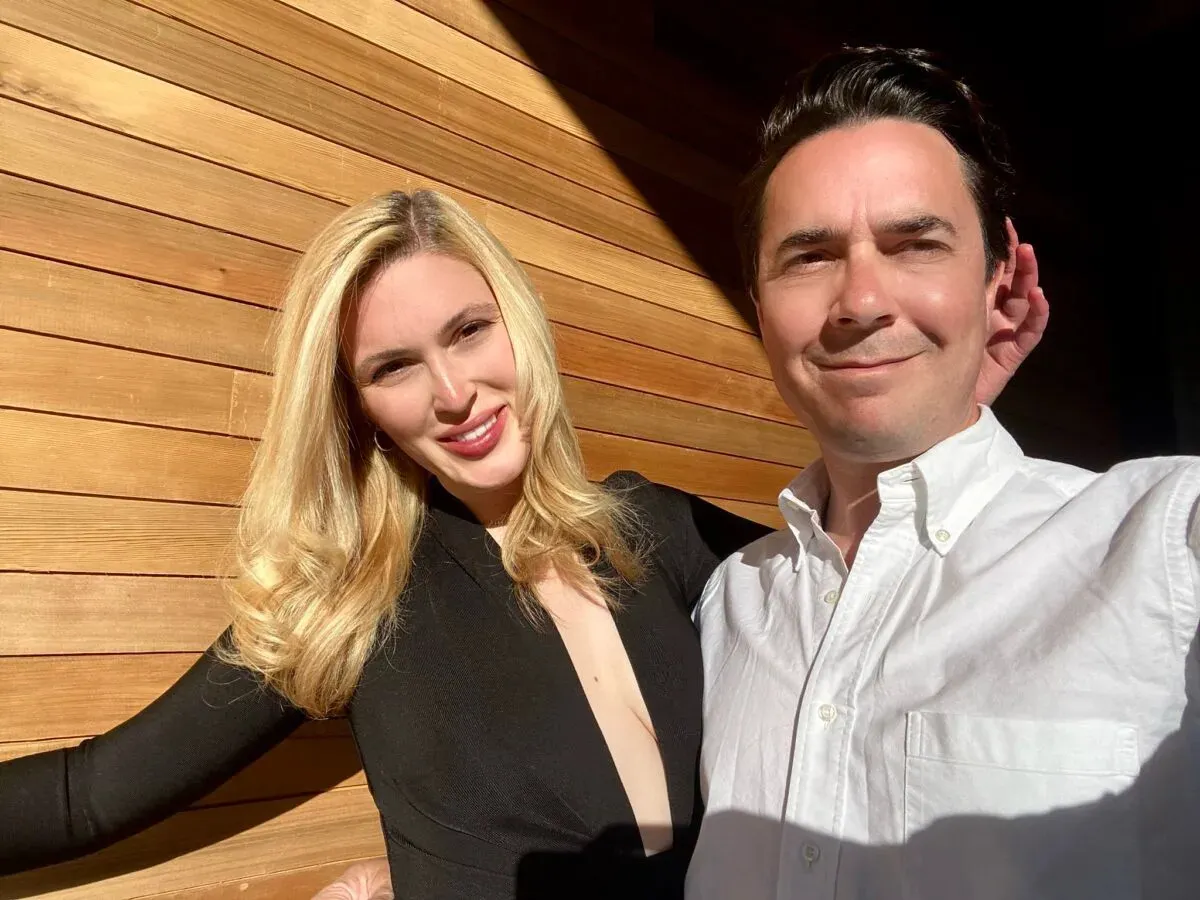
On December 1, Ryan Lizza published Part IV of his ongoing Substack series, just a night before Olivia Nuzzis book American Canto was released. The timing was deliberate. This wasnt simply another chapter; it was an effort to present the authoritative version of events before hers could compete.
By the fourth installment, it became evident that this was not a spontaneous outlet of grief but a calculated, serialized campaign aimed at shaping public perception of a private breakup. What Lizza presented is not traditional journalism; it is a demonstration of narrative authority that a seasoned political reporter can wield, even when the focus is his own life.
The story itself is familiar: he recounts discovering his fiances involvement with Robert Kennedy Jr., gathering the emotional fallout, and constructing a multipart narrative from texts, memories, and confessionsall accessible for a subscription fee. The way its told is the central point. Lizza applies the full rigor of political reportingtimelines, evidence files, reconstructed conversations, and sourced documentationto the collapse of his relationship. Private messages are treated as exhibits; emotional revelations carry the weight of formal testimony. His breakup is laid out like a public scandal, complete with supporting materials and an implied call for judgment.
This approach reflects a worldview shaped by decades in a system where controlling the narrative is a form of power. The same instincts now guide his own story. These installments function less as personal reflection and more as an attempt to establish the official account before Nuzzis version emerges. Lizza employs the same techniques he once used in political campaigns to control his role as both narrator and subject.
The figures in his story are presented selectively. RFK Jr. appears solely through Nuzzis private descriptionsher accounts of his relationships, preferences, alleged drug use, and medical historydetails that were once confidential, now leveraged to support Lizzas position. Nuzzi is depicted only in fragments he chooses. Even peripheral figures, like the young assistant who secretly recorded Donald Trump at Mar-a-Lago, are reduced to narrative tools within his timeline.
The social context is striking. Two high-profile political journalists have transformed the end of their relationship into serialized content while the broader profession strugglesnewsrooms are shrinking and reporters face job losses. Meanwhile, they can monetize their private turmoil, confident that the audience will follow.
Reading the series in full provokes discomfort. Previously, Nuzzis return to public life, her cultivated persona, and lack of contrition were criticized for aesthetic reasons, but her actions also involved ethical breaches with RFK Jr. while covering him professionally. Lizza was not merely a victim of this mindset; he shared it. Both operated with blurred ethical boundaries, proximity to power, and the willingness to use intimacy strategically, causing mutual harm and undermining journalistic integrity. Their compatibility makes the next question unavoidable: what does it signify when a political reporter transforms his personal heartbreak into a story using tools typically reserved for institutions or public figures?
The answer is misrecognition. Lizza did not overlook the power of his methods; he miscalculated the stakes. His instinctsorganizing, interpreting, publishing, framingpersisted even when the subject lacked public significance. The result resembles journalism but functions as a personal vendetta presented with investigative rigor. Genuine hurt does not justify publication, and no editorial authority intervened.
The corrective for journalism is more than regretit requires friction. Readers must apply skepticism when narrative authority is leveraged to resolve private conflicts. Editors, though often bypassed in modern platforms, remain essential for maintaining boundaries. Institutions must insist that personal tragedies are not automatically newsworthy simply because a journalist can package them effectively.
Substack, by design, eliminates these checks. With Lizza co-founding Telos.news, no editorial oversight was required to publish. His example demonstrates a template: any reporter with grievances, contacts, and a subscription model can convert personal turmoil into professional capital if their narrative skills are sufficient. The crucial question is whether the profession still values boundaries, and whether editors, institutions, or platforms profiting from such content will intervene or merely watch subscriptions grow.
Author: Sophia Brooks
Share

Guillermo del Toro: 'I Embrace Death ... I'm Eager for It to Come'
1 second ago 2 min read ENTERTAINMENT

Elizabeth Hurley Shows Off Her Toned Stomach in White Bikini by the Pool
1 minutes ago 1 min read ENTERTAINMENT

"I Wanted to Look for Him, Even If I Wasn't Sure I Could Find Him": Director Agnieszka Holland Discusses 'Franz' in 'THR Frontrunners' Q&A
1 minutes ago 3 min read ENTERTAINMENT

One more CBS News personality bids farewell following controversy over reported successor
2 minutes ago 2 min read ENTERTAINMENT

Amy Schumer and Husband's Marriage Is Beyond Repair, Says Source
2 minutes ago 1 min read ENTERTAINMENT

Kim Kardashian reveals Kanye West accused her of staging Paris robbery
3 minutes ago 3 min read ENTERTAINMENT

Choosing between 'Severance' and 'Pluribus': Final Golden Globes TV predictions
4 minutes ago 2 min read ENTERTAINMENT

One Major Regret Michael J. Fox Has About His Back To The Future Casting
5 minutes ago 2 min read ENTERTAINMENT

Guns N' Roses 2026 Tour: Ticket purchasing information, pricing, and more
6 minutes ago 2 min read ENTERTAINMENT

Bowen Yang and Matt Rogers set to write and star in upcoming comedy film for Searchlight
6 minutes ago 3 min read ENTERTAINMENT