

Thinking of giving up soda? It's probably a good idea. Here's how to make the switch.
- HOME
- ENTERTAINMENT
- Thinking of giving up soda? It's probably a good idea. Here's how to make the switch.
- Last update: 1 hours ago
- 2 min read
- 511 Views
- ENTERTAINMENT
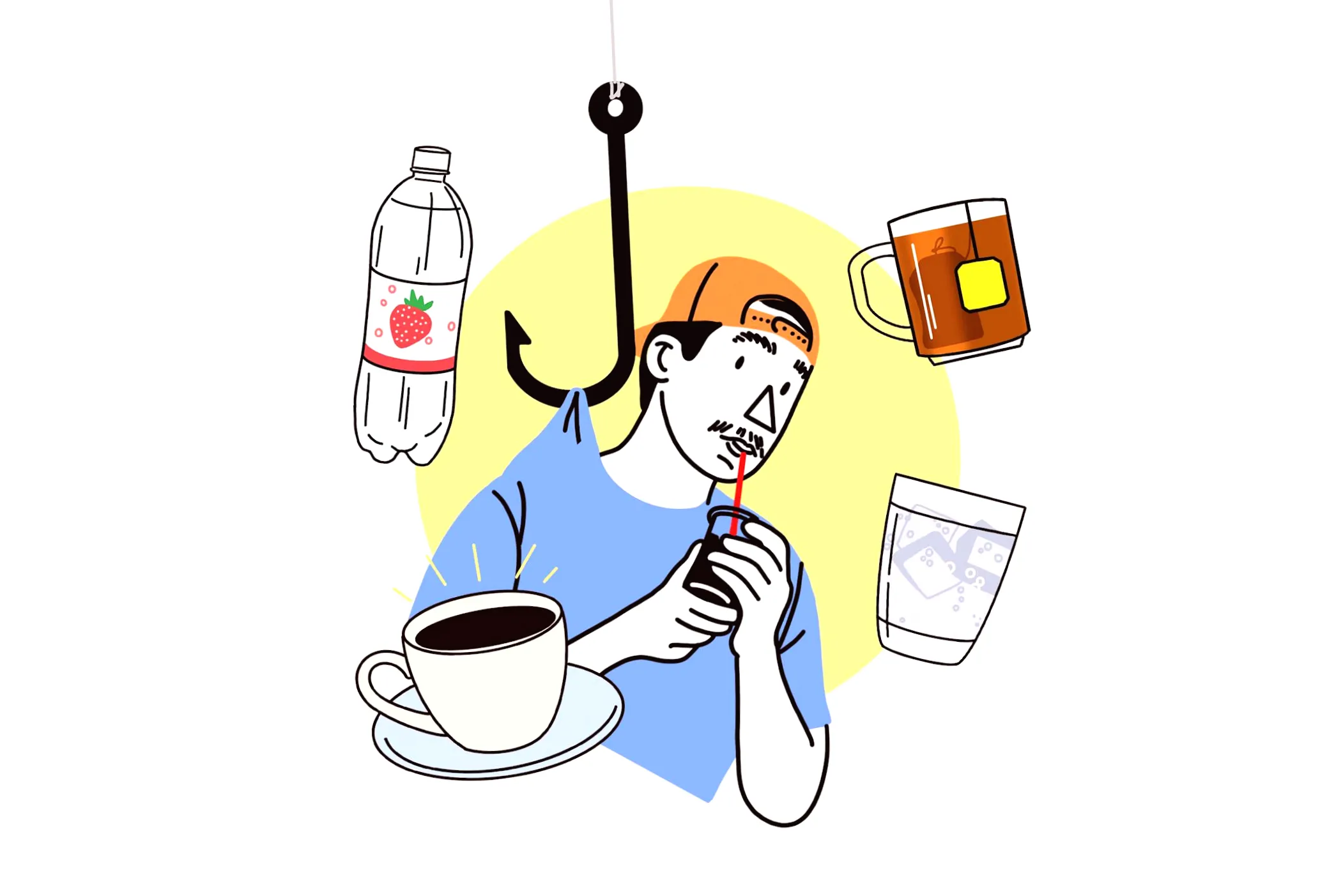
Soft drinks aren't beneficial for our health. Their high sugar content and artificial ingredients offer little nutritional value. Some people turn to diet sodas as a substitute, but research indicates that even a single can can negatively affect liver health. Regular sodas carry similar risks. Despite this, fizzy drinks remain a staple for many Americans.
For those attempting to stop, abruptly cutting out soda may be challenging. Many people experience withdrawal symptoms. Ashley Gearhardt, a psychology professor at the University of Michigan, notes that "people struggle to quit even when they really want to." Headaches, irritability, and anxiety are common because soda triggers brain responses to sugar and fat, which our bodies gradually become accustomed to, increasing tolerance.
Gearhardt compares quitting soda to giving up smoking. She advises identifying triggersemotions, routines, or social cuesand developing replacement strategies to manage cravings effectively.
Choosing Healthier Alternatives
The right alternative depends on the reason for drinking soda. For caffeine, unsweetened coffee is a healthier option, though it may provide a gentler energy boost compared to soda. For those experiencing morning headaches, over-the-counter medications with small amounts of caffeine can help, but consulting a doctor is recommended if soda is used to manage chronic conditions.
Tea offers a milder caffeine lift, and experimenting with different flavors or adding a touch of natural sweetener or milk can make it more enjoyable. For carbonated beverage lovers, seltzer or unsweetened sparkling water can replace soda. Flavoring water with fresh ingredients like lemon, cucumber, ginger, mint, or basil creates a satisfying alternative. Electrolyte drinks, juice, or kombucha can also serve as substitutes, though attention should be paid to sodium content and additives.
When Soda Might Be Acceptable
Occasionally, soda can be used as a replacement for alcohol since consumption is usually limited to specific occasions. Gearhardt recommends creating "no soda zones," such as the workplace, to minimize opportunities to drink soda. For social settings, mocktails, alcohol-free beer, or non-alcoholic spirits are viable substitutes.
Practical Tips if You Struggle to Quit
When cutting out soda feels difficult, focus on making lower-sugar choices whenever possible. Remember, the goal is improving overall health, not simply "quitting." Even reducing consumption by one can per day can significantly benefit health. Viewing soda as an occasional treat rather than a daily habit makes the transition more manageable.
Author: Harper Simmons
Share

Sydney Sweeney Believes Her Lack of Response to the American Eagle Controversy Deepened the Divide
37 minutes ago 2 min read ENTERTAINMENT

Jimmy Kimmel to receive President's Award, a rare honor from ICG Publicists Guild
38 minutes ago 2 min read ENTERTAINMENT

Miley Cyrus Reveals 'Unexpected' Engagement to Maxx Morando: 'I Was Completely Open'
38 minutes ago 2 min read ENTERTAINMENT

Hollywood, You Have the Opportunity to Save America: Offer Trump an Overall Deal
39 minutes ago 2 min read ENTERTAINMENT

Ranking of Netflix holiday movies from worst to best this year
40 minutes ago 3 min read ENTERTAINMENT

Tommy Dreamer praises WWE NXT pairing as 'top-notch sports entertainment'
40 minutes ago 2 min read ENTERTAINMENT

Wagner Moura Discusses Brazilian Fascism Legacy at IndieWire Honors: 'Let's Stay True to Our Values'
41 minutes ago 2 min read ENTERTAINMENT

Why Billie Lourd Will Always Discuss Grief, According to Carrie Fisher's Daughter
44 minutes ago 3 min read ENTERTAINMENT

Top 4 Extravagant Christmas Gifts Given by Celebrities
44 minutes ago 2 min read ENTERTAINMENT

Kim Kardashian Shares Adorable Throwback Photos of Son Saint
47 minutes ago 1 min read ENTERTAINMENT