

‘WTO/99’ Documentary Review: A Captivating Look at the Close of the 20th Century Caught on Film
- HOME
- ENTERTAINMENT
- ‘WTO/99’ Documentary Review: A Captivating Look at the Close of the 20th Century Caught on Film
- Last update: 53 minutes ago
- 3 min read
- 505 Views
- ENTERTAINMENT
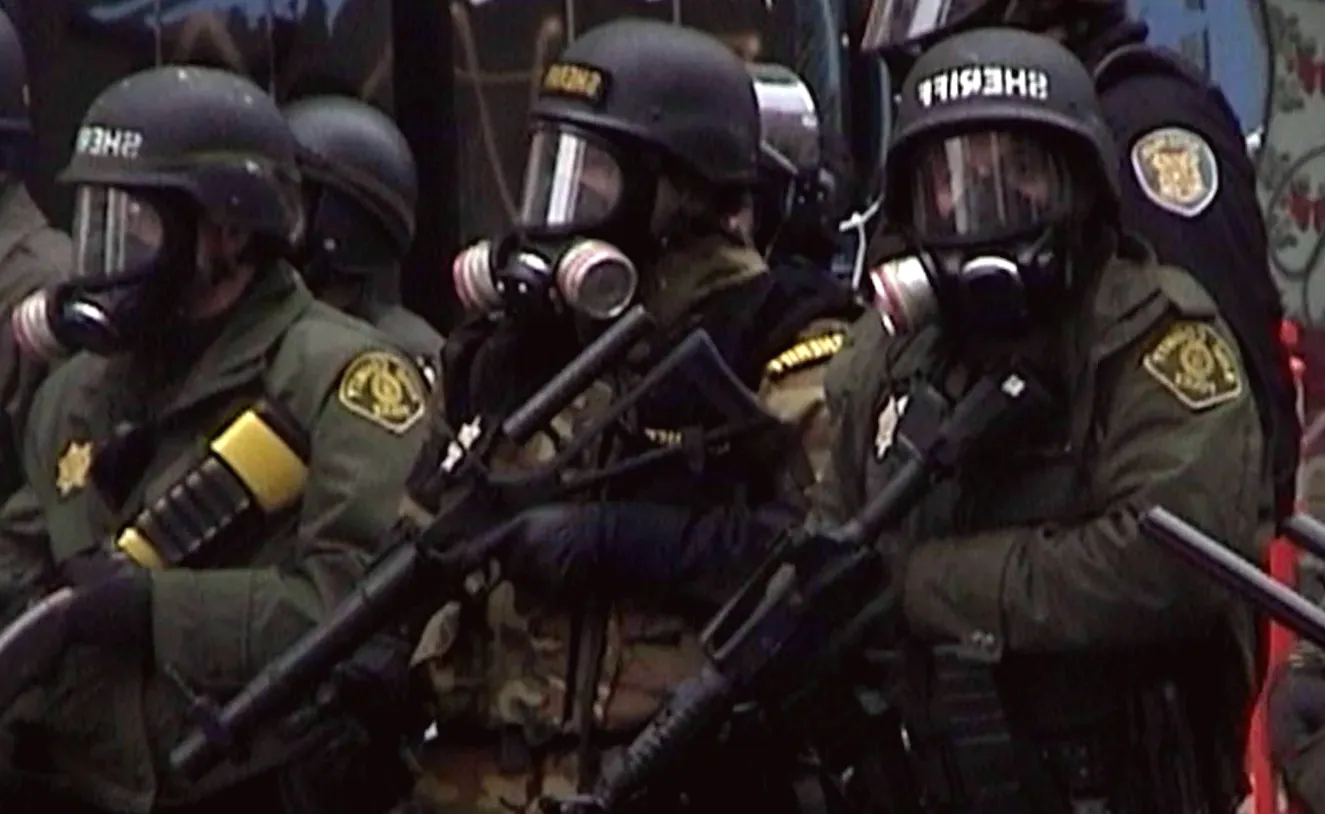
In late 1999, the streets of downtown Seattle became the stage for a massive protest against the World Trade Organization Ministerial Conference. Over 40,000 people converged to voice opposition to what they saw as the undemocratic control of global trade by the intergovernmental body. Concerns over human rights, labor standards, environmental protection, and community autonomy clashed with the profit-driven nature of international trade agreements.
For four intense days, individuals from diverse backgrounds united to resist the influence of corporate power and the erosion of public control. On the morning of November 30, authorities escalated tensions by deploying tear gas against peaceful demonstrators obstructing downtown intersections. Protestors had successfully delayed the WTOs opening by preventing delegates from entering, prompting a forceful response from local police, likely under federal pressure.
The situation intensified, with clashes between protestors and police leading to acts of vandalism. By late afternoon, the mayor declared a state of emergency and imposed a curfew, temporarily suspending civil liberties and granting sweeping powers to law enforcement.
Ian Bells archival film WTO/99 chronicles these four days, portraying the protests, the states forceful reaction, and media coverage. The first half of the film focuses on November 30, known as N30, depicting the initial confrontations where demonstrators briefly gained the upper hand before facing chemical agents and rubber bullets. The latter half covers the following days, showing the deployment of the National Guard, mass arrests, and ongoing harassment of activists.
Compiled from more than 1,000 hours of footage from protestors, local and international media, the documentary immerses viewers in the events rather than providing extensive background on the WTO or the anti-globalization movement. By presenting events chronologically, Bell captures the solidarity among activists as well as the violent repression by authorities.
The film highlights the diversity within the movement, including environmentalists, unionists, and anarchists, united in their opposition to multinational corporate control. Bell underscores that this broad coalition, transcending typical political divides, may have unnerved the state.
Throughout the documentary, familiar figures such as Bernie Sanders, Michael Moore, Jello Biafra, and Bill Maher appear, situating the protests within the cultural and political context of the era. Footage of political commentary from figures like Alan Keyes and Roger Stone further illustrates the wide-ranging reactions to the protests.
Bell emphasizes the rapid shift from peaceful demonstration to aggressive policing, foreshadowing the hyper-militarization of law enforcement in the 21st century. The medias focus on minor property damage highlights the mechanisms used to undermine activist messaging, while the suspension of civil liberties points to patterns that would persist in subsequent decades.
The documentary occasionally draws political criticism, such as linking the anti-globalization movement to post-9/11 narratives or omitting certain radical elements among protestors. Nonetheless, the raw, unfiltered footage dominates, presenting an authentic glimpse of both civilian and authority behavior before the era of camera-aware public performance.
By the end of the conference, protestors expressed cautious optimism, having disrupted the WTOs activities. Yet the films epilogue stresses that many of their warnings went unheeded: globalization accelerated income inequality, undermined American manufacturing, and concentrated trade power, while state enforcement became increasingly aggressive against dissent.
WTO/99 presents a sobering reflection on activism, state power, and the recurring lessons of history, now screening at the DCTV Firehouse Cinema for Documentary Film in New York City.
Author: Logan Reeves
Share
City to compensate protesters arrested in the summer of 2020 with $8.1 million
1 hours ago 2 min read BUSINESS

Criticism arises over NYPD reaction to Chinatown anti-ICE demonstration
3 hours ago 3 min read US
Protesters Condemn Targeting of Somali Community by Anti-Trump Supporters
6 hours ago 3 min read POLITICS
Immigrant Workers Were Recruited, Not Invaded the U.S.
6 hours ago 3 min read BUSINESS
Multiple protesters taken into custody following failed ICE raid in New York City
3 days ago 3 min read POLITICS

Protesters at asylum hotel encouraged to meet with council
4 days ago 2 min read POLITICS

How 200 New Yorkers Prevented an ICE Raid Before It Started
4 days ago 3 min read POLITICS

Hundreds nationwide seek training on how to handle immigration enforcement
4 days ago 3 min read POLITICS
Several individuals detained after demonstrators obstruct federal agents at Manhattan parking garage
5 days ago 2 min read POLITICS