

Zohran Mamdani's Mother, Filmmaker Mira Nair, on Raising New York's Future Mayor
- HOME
- ENTERTAINMENT
- Zohran Mamdani's Mother, Filmmaker Mira Nair, on Raising New York's Future Mayor
- Last update: 1 hours ago
- 3 min read
- 163 Views
- ENTERTAINMENT
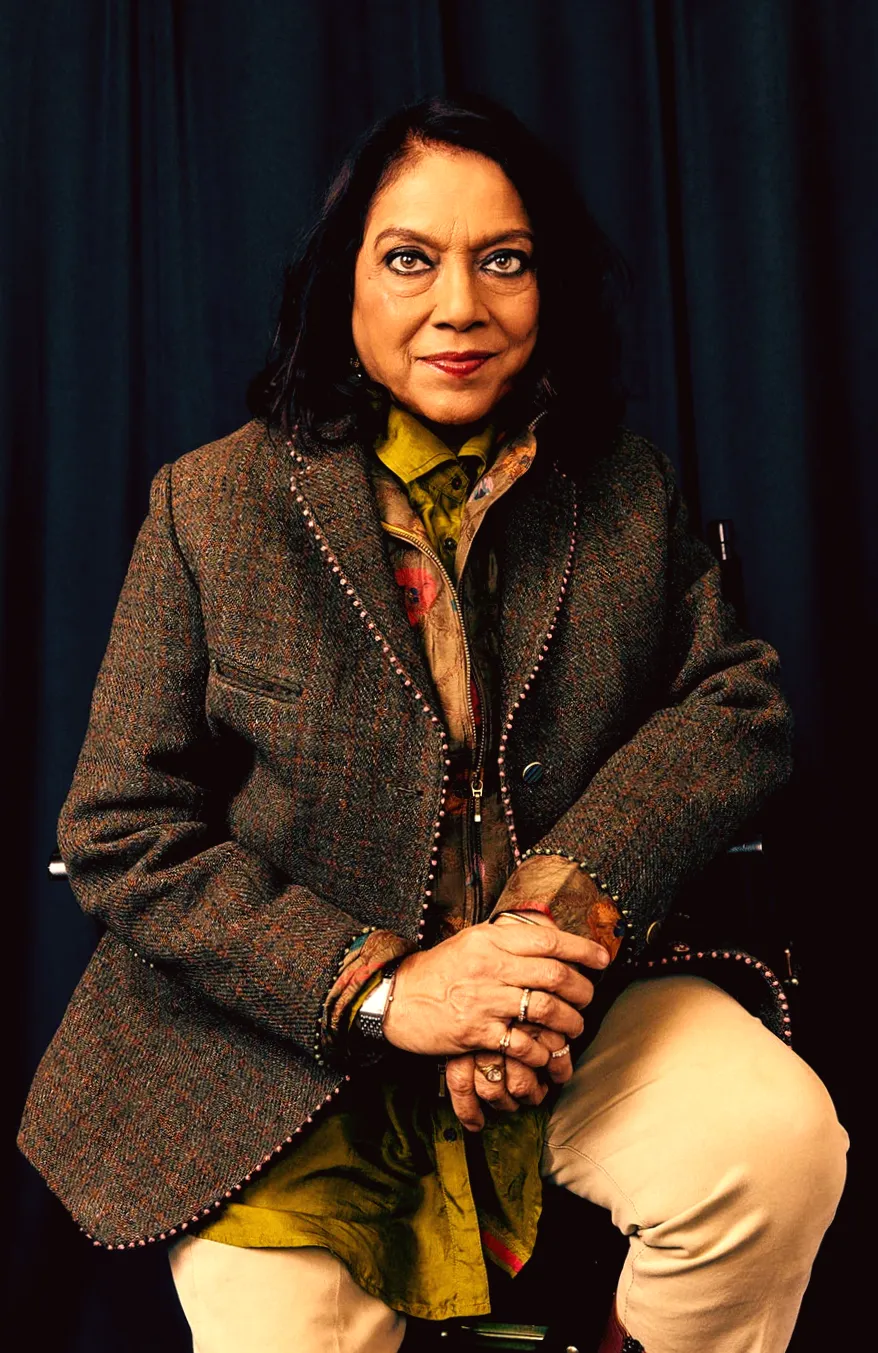
In conversation with Mira Nair, it becomes clear how her influence helped shape Zohran Mamdani, the 34-year-old soon-to-be mayor of New York City and her only child. From grassroots campaigning to fostering a multicultural worldview, Nairs guidance played a key role in her sons rise.
During the campaign, Nair actively canvassed across Queens and the Bronx, bringing a hands-on approach that mirrored the dedication she had instilled in her son. Alongside her husband, academic Mahmood Mamdani, she emphasized a multicultural perspective that would later inform Zohrans public addresses and policy positions.
Even before his political career, Zohran gained early exposure to Nairs filmmaking world, assisting on set with music supervision and standing in for actors. These experiences honed skills that would later translate to public engagement and campaigning.
Among Nairs proudest contributions was transforming her home into an informal campaign hub. She recounts volunteers arriving early, setting up laptops, and working tirelessly until dawn, while Zohran briefly rested before resuming the days efforts. It was like a movie, she reflects, capturing the unpredictable and intense energy of the campaign trail.
Nairs cinematic background has deeply influenced her son. From Salaam Bombay! to The Reluctant Fundamentalist, her films explored themes of diversity, marginalization, and social justiceideas that Zohran now brings to city governance. Zohran embraces the multiplicity of our lives in the most natural way, Nair notes, emphasizing his ability to address what society often overlooks.
The overlap of filmmaking and politics is evident in strategy and storytelling. Nair draws parallels between getting a film approved and running a campaign, highlighting the need to communicate effectively with broad audiences while staying authentic. Zohrans adoption of the Democratic Socialist label also reflects Nairs philosophy of clarity and boldness, similar to her unconventional directorial choices.
Even with the pressures of campaigning, Nair maintained her own involvement. She canvassed door-to-door in various neighborhoods, often alongside volunteers, focusing on dialogue and persuasion rather than identification or intimidation. This grassroots approach mirrored her career ethos of engaging audiences personally and meaningfully.
Mamdanis rise has not been without opposition. Various conservative, capitalist, and pro-Israel groups expressed concern over his policies, reflecting the complex political landscape he now navigates. Nair avoids commenting directly on specific policy disputes but emphasizes the broader lessons of integrity, empathy, and connection that guided her son.
Throughout his political ascent, Zohrans relationship with his mothers filmmaking world remained strong. He contributed to her later projects, including music supervision and even performing as a rapper in Queen of Katwe, demonstrating early skills in performance and public engagement. Nair credits these shared creative experiences with shaping his ability to connect with constituents.
Looking forward, Nair continues to pursue film projects that reflect her values, including an upcoming biopic on early 20th-century Hungarian-Indian artist Amrita Sher-Gil, slated for 2026. She sees in her work, and in her sons achievements, a commitment to principled storytelling and public service. He got the box office; he more than won the weekend, she says of Zohrans electoral success, underscoring the hope he represents for many.
Ultimately, Nairs guidance, both in life and through the lens of cinema, has been instrumental in cultivating a leader who merges creativity, empathy, and political acumenqualities she nurtured from childhood. Zohran has absorbed these skills his whole life, she says. I love that he finds a way to get across his ideas. That is his great gifthis connection.
Author: Olivia Parker
Share

Trump and Mamdani discuss cost of living again. Was there a clash?
2 hours ago 2 min read POLITICS

Vice President Vance praises Mamdani for focusing on affordability
10 hours ago 2 min read POLITICS

Erika Kirk Claims Ambitious Women Seek Government Support Instead of Relationships for Certain Needs
1 days ago 2 min read POLITICS