

Effects of Daily Probiotic Consumption on Your Body
- Last update: 3 days ago
- 3 min read
- 37 Views
- HEALTH
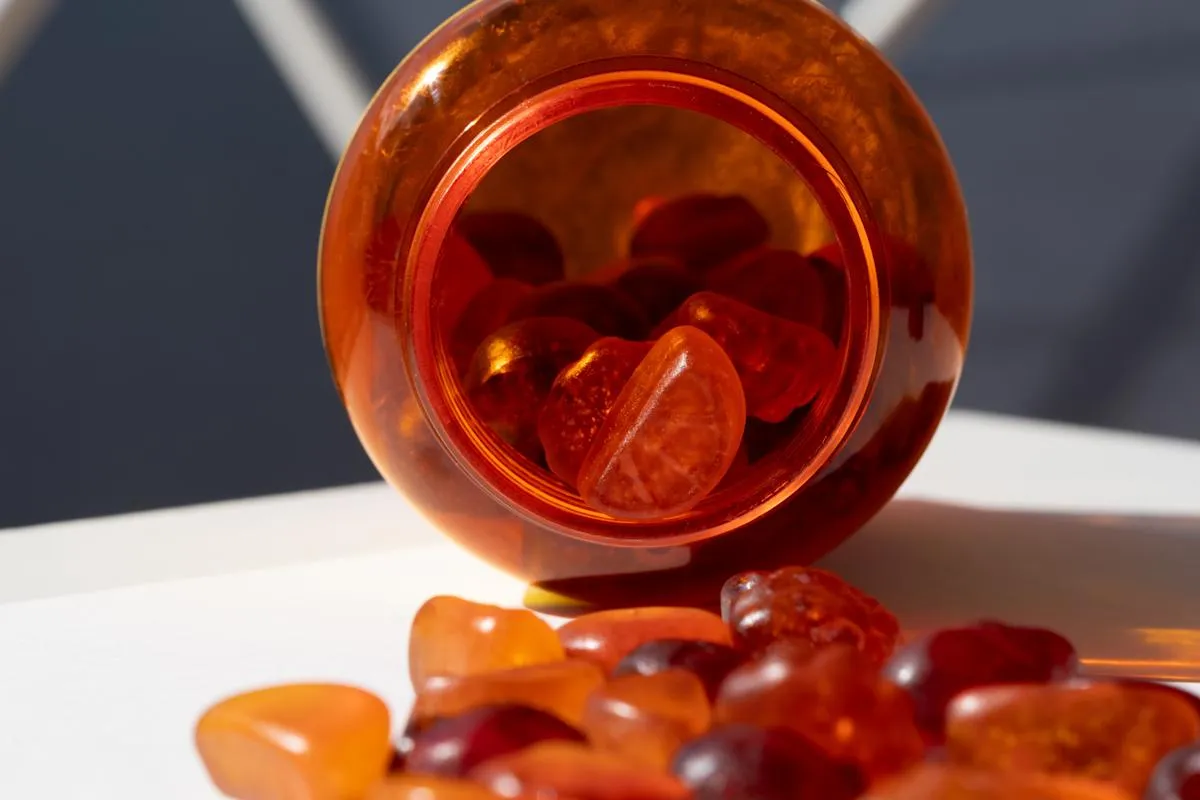
Probiotics are live microorganisms that may support digestive, cardiovascular, oral, and mental health. There is no official recommended daily allowance (RDA) for probiotics, so it is important to consult a healthcare professional to determine the best approach for your needs. Fermented foods, such as yogurt and kimchi, are natural sources of these beneficial bacteria.
Probiotics and Digestive Health
Digestive disorders are common, affecting an estimated 60 to 70 million Americans. Many people take probiotic supplements to support a healthy gut. According to Megan Hilbert, M.S., RDN, probiotics can increase the presence of beneficial bacteria in the digestive system, positively influencing skin health, immunity, metabolism, and mental well-being.
Research indicates that probiotics may help prevent or alleviate digestive conditions, including symptoms of irritable bowel syndrome (IBS) and inflammatory bowel diseases like Crohn's disease and ulcerative colitis. For example, a study involving a four-strain probiotic showed a reduction in IBS symptoms over three months, though further high-quality research is needed.
The Gut-Brain Connection
Probiotics may influence mental health. In one study with adults over 65, supplementation with Bifidobacterium strains led to decreased inflammation-causing gut bacteria, improved mental flexibility, and reduced stress levels compared to a placebo. These findings suggest potential mental health benefits, though additional studies are required for confirmation.
Cardiovascular Health
Some research indicates probiotics may help reduce cardiovascular risk factors, such as blood lipids, blood pressure, and inflammation. Fermented dairy consumption, combined with probiotic supplementation, has been associated with lower lipid concentrations. However, results vary due to differences in strains used, so caution is advised when interpreting these findings.
Immune and Oral Health
Probiotics may reduce the risk of upper respiratory tract infections and shorten their duration. They also appear to support oral health by preventing yeast infections, bad breath, and the growth of harmful bacteria that can cause gum disease and tooth decay.
Probiotics and Diet
Probiotics are not a traditional nutrient deficiency but aim to improve the balance between beneficial and potentially harmful gut bacteria. The World Gastroenterology Organisation notes that most probiotic supplements contain 110 billion CFUs (colony-forming units), though effective doses may vary. It is recommended to consult a healthcare provider to select an appropriate dose.
Food sources rich in probiotics include yogurt, kefir, kimchi, kombucha, and sauerkraut. Prebiotics, found in fiber-rich foods like fruits, vegetables, whole grains, nuts, seeds, and legumes, support the growth of these beneficial bacteria.
Safety Considerations
Probiotics are generally safe for healthy individuals. However, those with compromised immune systems, severe illnesses, or premature infants should avoid probiotic supplements due to potential risks of serious infections.
Choosing a Probiotic Supplement
Probiotics are available as capsules, powders, and drinks. Some require refrigeration, so it is important to follow storage instructions. Common strains include Lactobacillus and Bifidobacterium, which are considered safe and effective for various health concerns. Consulting a gastroenterologist or dietitian can help select strains that target specific symptoms.
Due to limited regulation of dietary supplements, it is recommended to choose products that are independently verified to ensure safety and accurate labeling.
When to Consider Probiotics
Individuals experiencing chronic gas, constipation, acid reflux, recurrent urinary tract infections, or frequent upper respiratory infections may benefit from probiotics. Regular consumption of probiotic-rich foods is generally safe, with minor side effects such as gas. Immunocompromised or severely ill individuals should avoid supplementation.
Conclusion
Probiotics may support digestive, mental, immune, cardiovascular, and oral health. While food sources are preferred, supplements can be beneficial in specific cases. Ongoing research is needed to determine optimal strains, dosages, and treatment duration for targeted health benefits.
Author: Sophia Brooks
Share

Cassidy urges CDC director to refuse hepatitis B recommendations from vaccine panel
1 hours ago 2 min read HEALTH

6 warning signs that indicate your teenager's diet needs to be revamped
1 hours ago 3 min read HEALTH

RFK Jr. Successfully Influences Advisers to Change Guidance on Hepatitis B Vaccine
2 hours ago 2 min read HEALTH

Nutrition Experts Unveil the Top Food That Triggers Inflammation
3 hours ago 2 min read HEALTH

Panel suggests CDC stop routine hepatitis B vaccinations for newborns
3 hours ago 4 min read HEALTH

CDC Panel Delays Hepatitis B Shot for Most Babies After Voting Skeptically on Vaccines
3 hours ago 2 min read HEALTH

CDC panel decides to no longer recommend birth dose of hepatitis B vaccine
4 hours ago 3 min read HEALTH

Top 4 Frozen Foods for Heart Health Recommended by a Cardiologist and a Nutrition Researcher
5 hours ago 3 min read HEALTH

Top Aerobic Exercise Tip for Longevity Shared by Fitness Experts
6 hours ago 3 min read HEALTH

New Study Reveals That This Popular Diet May Make It More Difficult for You to Have a Bowel Movement
6 hours ago 3 min read HEALTH