

Effects of Taking Probiotics Daily on Your Body
- Last update: 3 days ago
- 3 min read
- 15 Views
- HEALTH
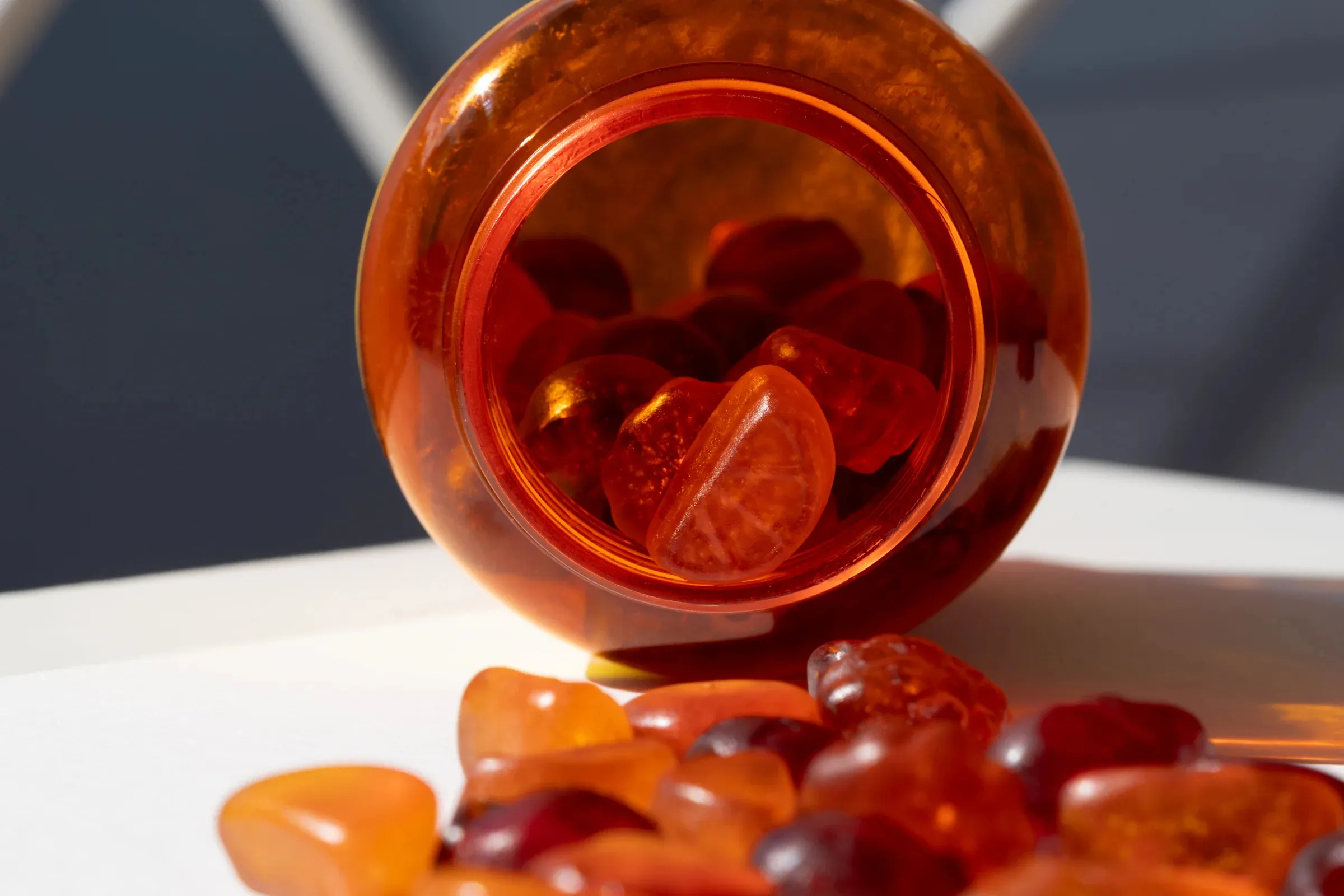
Probiotics are live microorganisms that can positively influence gut, heart, and oral health. While there is no official recommended daily allowance for probiotics, discussing options with a healthcare professional is advised. Fermented foods, such as yogurt and kimchi, are natural sources of probiotics.
Digestive issues are common, affecting an estimated 60 to 70 million Americans. Maintaining a healthy gastrointestinal tract is crucial for overall wellness, which is why many individuals include probiotic supplements in their daily routine. According to Megan Hilbert, M.S., RDN, probiotics can increase healthy bacteria in the digestive system, benefiting skin, immunity, metabolism, and mental well-being.
How Probiotics Support Digestive Health
Probiotics are commonly associated with gut health. Research suggests they may help prevent certain digestive conditions, aid in remission for ulcerative colitis, and reduce symptoms of irritable bowel syndrome (IBS). In one study, participants with IBS related to Crohn's disease experienced symptom improvement after taking a four-strain probiotic for three months. However, further high-quality research is needed to confirm these benefits, as studies show mixed results depending on strains used.
Probiotics and Mental Well-Being
The gut-brain connection is an area of growing research. A small study with adults over 65 found that 12-week supplementation with Bifidobacterium probiotics resulted in reduced inflammation-causing gut bacteria, better mental flexibility, and improved stress scores. These findings indicate probiotics may support mental health, particularly in older adults, although more studies are needed.
Cardiovascular Support
Evidence suggests probiotics may help reduce cardiovascular risk factors. Reviews indicate that probiotics, especially when combined with fermented dairy consumption, can positively affect blood lipids, blood pressure, blood sugar, and inflammation markers. However, results vary depending on the probiotic strains used, so caution is advised.
Immune and Oral Health
Probiotics may help prevent upper respiratory infections and reduce their duration, according to review studies. They also show promise in oral health, potentially preventing bad breath, balancing oral bacteria, and addressing infections like oral Candida. More research is needed to confirm these effects.
Getting Probiotics and Prebiotics
Probiotics are not considered a nutrient deficiency in the traditional sense. The goal is to balance harmful and beneficial bacteria in the gut. Probiotics can be obtained through supplements or fermented foods, including yogurt, kefir, kimchi, kombucha, and sauerkraut. Prebiotics, which feed beneficial bacteria, can be found in fiber-rich foods like fruits, vegetables, whole grains, nuts, seeds, and legumes.
Safety and Considerations
Probiotics are generally safe for healthy individuals. However, people with severe illnesses, compromised immune systems, or premature infants should avoid them due to potential risks. Before starting a supplement, consult a healthcare professional to ensure safety and correct dosage.
Choosing a Probiotic Supplement
Probiotic supplements come in capsules, powders, and drinks, with varying storage requirements. Lactobacillus and Bifidobacterium are the most studied strains and are considered safe for most people. Consulting a gastroenterologist or dietitian can help determine the most effective strains for specific health concerns. Since supplements are not heavily regulated, choosing independently verified products is recommended.
Signs You May Benefit from Probiotics
Chronic digestive issues like gas, constipation, or acid reflux may indicate a need for probiotics. Certain strains may also support immune health and reduce recurrent urinary or respiratory infections. Most people can benefit from incorporating probiotic-rich foods into their diet, and regular use of probiotics is generally safe, though mild gas may occur. Immunocompromised or severely ill individuals should avoid supplements without medical guidance.
Author: Sophia Brooks
Share

Cassidy urges CDC director to refuse hepatitis B recommendations from vaccine panel
1 hours ago 2 min read HEALTH

6 warning signs that indicate your teenager's diet needs to be revamped
1 hours ago 3 min read HEALTH

RFK Jr. Successfully Influences Advisers to Change Guidance on Hepatitis B Vaccine
2 hours ago 2 min read HEALTH

Nutrition Experts Unveil the Top Food That Triggers Inflammation
3 hours ago 2 min read HEALTH

Panel suggests CDC stop routine hepatitis B vaccinations for newborns
3 hours ago 4 min read HEALTH

CDC Panel Delays Hepatitis B Shot for Most Babies After Voting Skeptically on Vaccines
3 hours ago 2 min read HEALTH

CDC panel decides to no longer recommend birth dose of hepatitis B vaccine
4 hours ago 3 min read HEALTH

Top 4 Frozen Foods for Heart Health Recommended by a Cardiologist and a Nutrition Researcher
5 hours ago 3 min read HEALTH

Top Aerobic Exercise Tip for Longevity Shared by Fitness Experts
6 hours ago 3 min read HEALTH

New Study Reveals That This Popular Diet May Make It More Difficult for You to Have a Bowel Movement
6 hours ago 3 min read HEALTH