

Evidence backs US policy on hepatitis B vaccination for newborns, despite calls for postponement
- Last update: 3 days ago
- 2 min read
- 35 Views
- HEALTH
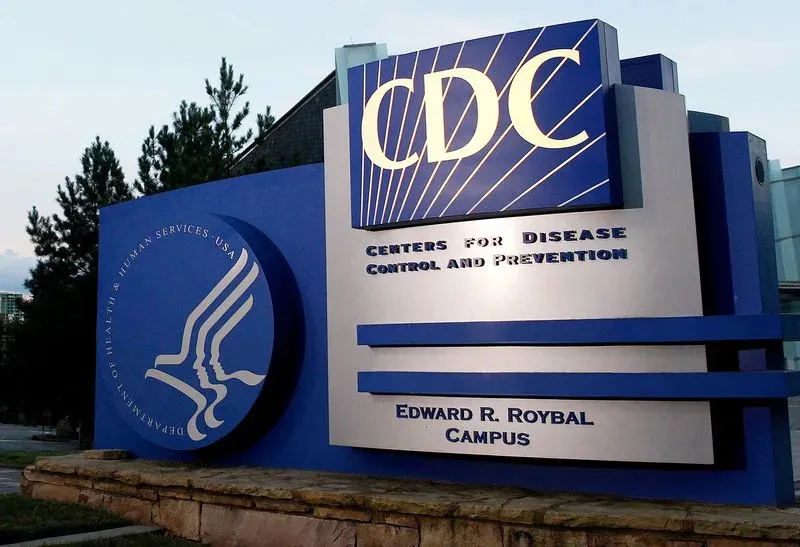
CHICAGO, Dec 2 (Reuters) A comprehensive analysis conducted by vaccine specialists, reviewing over 400 studies and reports, has found that the long-standing U.S. practice of administering the hepatitis B vaccine to newborns has reduced infections among children by more than 95%.
The vaccination strategy, first implemented in 1991, is set to be reviewed and voted on this week by the Centers for Disease Control and Prevention (CDC) advisory group, whose members were recently selected by U.S. Health Secretary Robert F. Kennedy Jr.
"After thorough examination, we found no evidence suggesting that delaying the vaccination choice for parents is necessary for safety or effectiveness," stated Dr. Michael Osterholm, an infectious disease specialist at the University of Minnesota and co-founder of the Vaccine Integrity Project, which conducted the review.
The Vaccine Integrity Project works to protect and promote scientifically grounded vaccine practices in the United States, countering misleading or unsupported recommendations that emerged during the Trump administration.
Following the dismissal of all 17 previous CDC advisory members, the newly formed panel opted in September to postpone a decision on delaying the hepatitis B birth dose. Since that time, former President Donald Trump and other officials have advocated postponing the first dose until around age 12, citing the primarily sexual transmission of the virus.
Osterholm emphasized that the evidence strongly supports maintaining the current vaccination schedule. Hepatitis B is a liver infection transmitted through blood, semen, and certain other body fluids. Infants infected in their first year have a 90% likelihood of developing chronic infection, which can lead to severe liver disease, including cirrhosis or cancer.
Data from a 2024 study, examined by the Vaccine Integrity Project, indicated that vaccination of children born between 1994 and 2023 prevented over 6 million hepatitis B infections and nearly 1 million related hospitalizations. Delaying the vaccine could increase the risk of newborns contracting the virus from infected parents or caregivers, warned Tony Fiore, a former CDC vaccine expert.
Author: Sophia Brooks
Share

Top 4 Frozen Foods for Heart Health Recommended by a Cardiologist and a Nutrition Researcher
6 minutes ago 3 min read HEALTH

Top Aerobic Exercise Tip for Longevity Shared by Fitness Experts
24 minutes ago 3 min read HEALTH

New Study Reveals That This Popular Diet May Make It More Difficult for You to Have a Bowel Movement
44 minutes ago 3 min read HEALTH

Health Rounds: Study finds shingles vaccine decreases risk of dementia-related death
1 hours ago 2 min read HEALTH

Newly FDA Approved Glasses Can Help Slow Down Your Child's Myopia Progression
3 hours ago 2 min read HEALTH
Atraverse receives FDA approval for HOTWIRE transseptal access system
4 hours ago 2 min read HEALTH
FDA warns of 7 deaths and more than 700 injuries linked to faulty glucose monitors
5 hours ago 2 min read HEALTH
The FDA confirmed 10 children died after receiving COVID vaccines. SAN verified the information.
5 hours ago 3 min read HEALTH

Make sure to mark your calendars for these Tricare and other health benefits deadlines
5 hours ago 3 min read HEALTH

Cardiologists Say These 2 Tips Can Help During the 'Worst Time of the Year' for Heart Health
6 hours ago 2 min read HEALTH