

Her baby was in the Neonatal Intensive Care Unit. She was in Immigration and Customs Enforcement detention.
- Last update: 3 days ago
- 6 min read
- 63 Views
- HEALTH
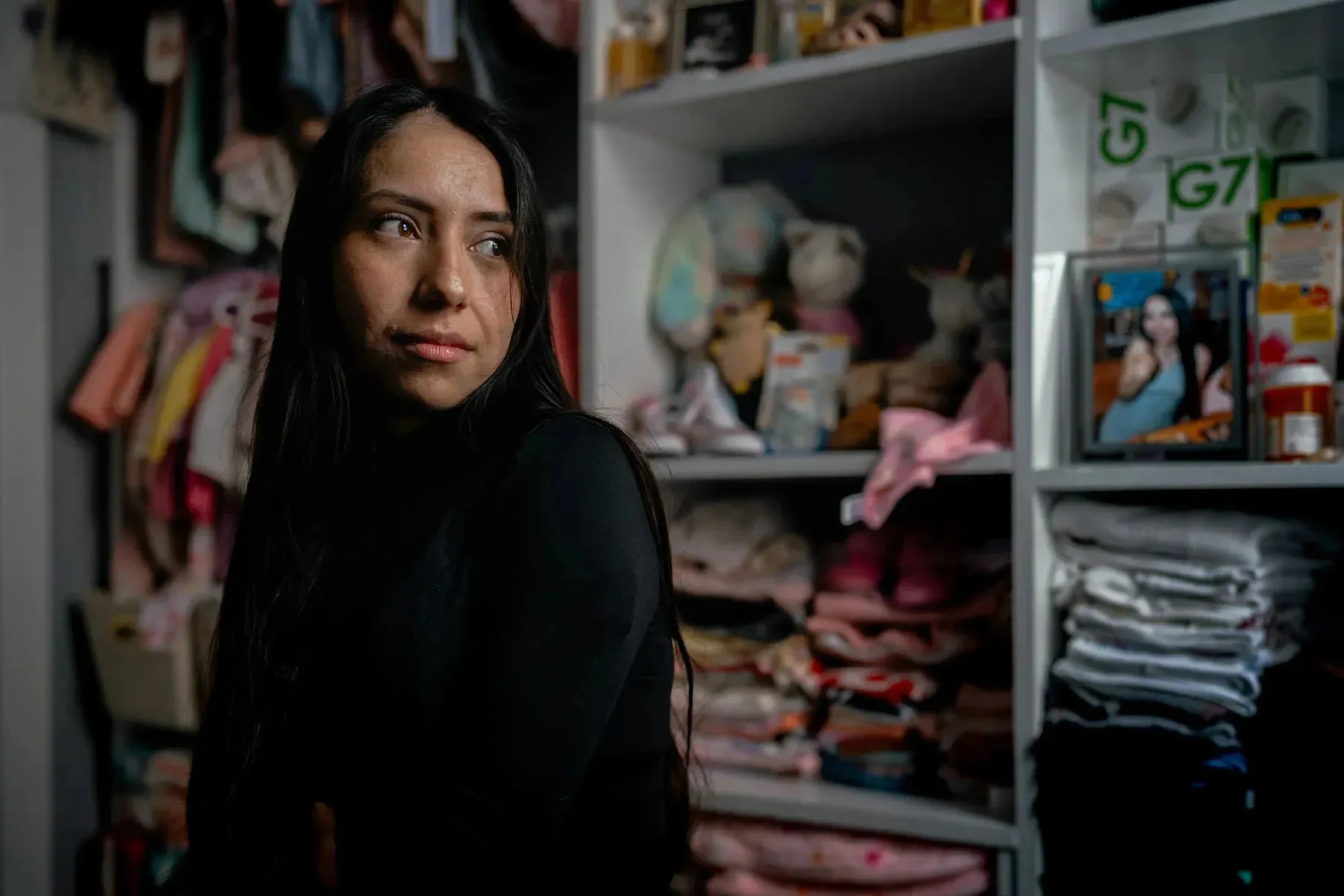
Within hours of giving birth, Nayra Guzmn sensed something was wrong. Her daughter struggled to breathe after a difficult delivery marked by preeclampsia and an emergency Csection. When the newborns skin began to turn blue, doctors rushed the baby to the neonatal intensive care unit (NICU). In the days that followed, Guzmn a 22yearold firsttime mother focused entirely on her daughters survival while the Chicago area became the newest target of President Donald Trumps immigration initiative, Operation Midway Blitz.
Immigration raids werent on our minds, said Guzmn, a Mexican immigrant with pending asylum and crimevictim visa applications. Our only concern was getting our baby home safely.
Everything changed on Monday, October 20 just fifteen days after the birth. As Guzmn, her mother and younger brother prepared for their daily trip to the NICU, immigration agents surrounded their vehicle and took them into custody.
Since Trump assumed office in January, the administration has abandoned Department of Homeland Security guidelines that once limited the detention of pregnant, postpartum and nursing immigrants. As a result, medically vulnerable people like Guzmn have been detained in conditions that jeopardize both their own health and the wellbeing of their U.S.-citizen newborns, who rely on early bonding for lifelong development.
Guzmn spent roughly 34 hours in government custody after being detained during a surge of immigration arrests in Chicago. She described the Broadview Processing Center meant only for short-term holding as overcrowded and unsanitary, with limited access to food, clean water and medical attention. Still recovering from major surgery and managing Type 1 diabetes, she was given no breast pump and said she was never evaluated by any medical professional.
ICE did not respond to questions about the conditions at Broadview or Guzmns detention.
Medical experts warn that such environments pose serious risks, especially for postpartum individuals who require rest, pain management, adequate nutrition, safe hygiene facilities and access to breastfeeding equipment. No one recovering from major surgery should be placed on a bench without proper care, said Dr. Beth Cronin, an OBGYN and chair of an American College of Obstetricians and Gynecologists committee.
Dozens of similar detentions involving pregnant or postpartum immigrants have been reported by attorneys, advocates and lawmakers. But the total number remains unknown since Congress allowed a Homeland Security reporting requirement to expire in March, and the Trump administration has declined to release updated figures.
The morning of the arrest had begun routinely. The family had just finished breakfast and were rushing to attend a meeting on the babys condition and to be present for the noon feeding. As Guzmn reached for her seatbelt, she noticed white SUVs encircling the car. Agents questioned the familys documents, even after they showed work permits and proof of their pending asylum case.
Guzmn asked permission to call the hospital to explain she would miss her daughters appointment, but was told that a judge would determine whether she would be released or deported. She was warned she could be transferred to a long-term detention center in Kentucky.
Fear sank in. I thought the government would take custody of my daughter, Guzmn recalled. I was terrified I wouldnt be able to help her if she got worse.
The pain of her Csection once overshadowed by her daughters fragile condition hit her sharply as she was transported to Broadview. She described being driven over potholes despite her brothers pleas that she was in a delicate state. At the facility, agents questioned her about her insulin pump and medications. One asked her to remove her abdominal binder, which she refused due to the pain. She overheard another agent say it would be taken later at a longterm facility.
Inside a crowded womens holding cell with only narrow benches for rest, she received her first food of the day a sandwich and water around 3 p.m. She spent the night without a blanket, shivering and unable to move due to pain and uterine cramping.
PostCsection patients typically require weeks of recovery, access to hygiene facilities, proper nutrition and breastfeeding support. Broadview, a temporary ICE center, lacked these essentials. In a classaction lawsuit filed nine days after Guzmns release, detainees reported overcrowded, dirty cells; little food or water; no showers or menstrual supplies; inadequate medical care; and freezing temperatures. A federal judge found the accounts highly credible and the conditions unnecessarily cruel.
In a separate case, officials acknowledged that Broadview had no space or equipment for lactation support.
Illinois congressional delegation has repeatedly demanded access to inspect the facility but has been denied. Lawmakers cited reports of unsanitary bathrooms, illness, overcrowding, lack of medication, and limited communication with family or attorneys.
Meanwhile, Guzmns daughter remained hospitalized and dependent on specialized care. Before the arrest, Guzmn visited daily for skintoskin bonding. During her detention, she had no updates on her daughters condition. Relatives sought legal help and had Guzmns father appointed as temporary guardian so he and an uncle could visit the baby risking detention themselves.
A judge ultimately ordered the familys release on October 21, citing Guzmns fragile health and the condition of her newborn. They left Broadview late that evening, narrowly avoiding transfer to Kentucky. Too late to reach the hospital, they waited in the rain until attorneys arrived and then stopped for a meal. Guzmn struggled even to climb stairs, walking backward with help from family.
In the days after her release, Guzmn fell ill and had to isolate from her daughter for nearly a week. Her breastmilk dried up after almost two days in custody with minimal food, water and no breast pump. Her daughter, though improving, remains in the NICU on a feeding tube while doctors continue testing to find a diagnosis.
Returning to the hospital now fills Guzmn with fear. Although no deportation case has been filed against her and her visa application remains pending, she has flashbacks to her arrest the clatter of chains, men arriving beaten and dirty, and the sense of being constantly watched.
At first I felt relief, she said. But the fear came right back. I kept thinking, What if they detain me again when I go see my baby?
Author: Sophia Brooks
Share

Cassidy urges CDC director to refuse hepatitis B recommendations from vaccine panel
1 hours ago 2 min read HEALTH

6 warning signs that indicate your teenager's diet needs to be revamped
2 hours ago 3 min read HEALTH

RFK Jr. Successfully Influences Advisers to Change Guidance on Hepatitis B Vaccine
3 hours ago 2 min read HEALTH

Nutrition Experts Unveil the Top Food That Triggers Inflammation
3 hours ago 2 min read HEALTH

Panel suggests CDC stop routine hepatitis B vaccinations for newborns
4 hours ago 4 min read HEALTH

CDC Panel Delays Hepatitis B Shot for Most Babies After Voting Skeptically on Vaccines
4 hours ago 2 min read HEALTH

CDC panel decides to no longer recommend birth dose of hepatitis B vaccine
4 hours ago 3 min read HEALTH

Top 4 Frozen Foods for Heart Health Recommended by a Cardiologist and a Nutrition Researcher
6 hours ago 3 min read HEALTH

Top Aerobic Exercise Tip for Longevity Shared by Fitness Experts
6 hours ago 3 min read HEALTH

New Study Reveals That This Popular Diet May Make It More Difficult for You to Have a Bowel Movement
7 hours ago 3 min read HEALTH