

Study finds that just one dose of HPV vaccine could effectively combat cervical cancer
- Last update: 1 days ago
- 3 min read
- 398 Views
- HEALTH
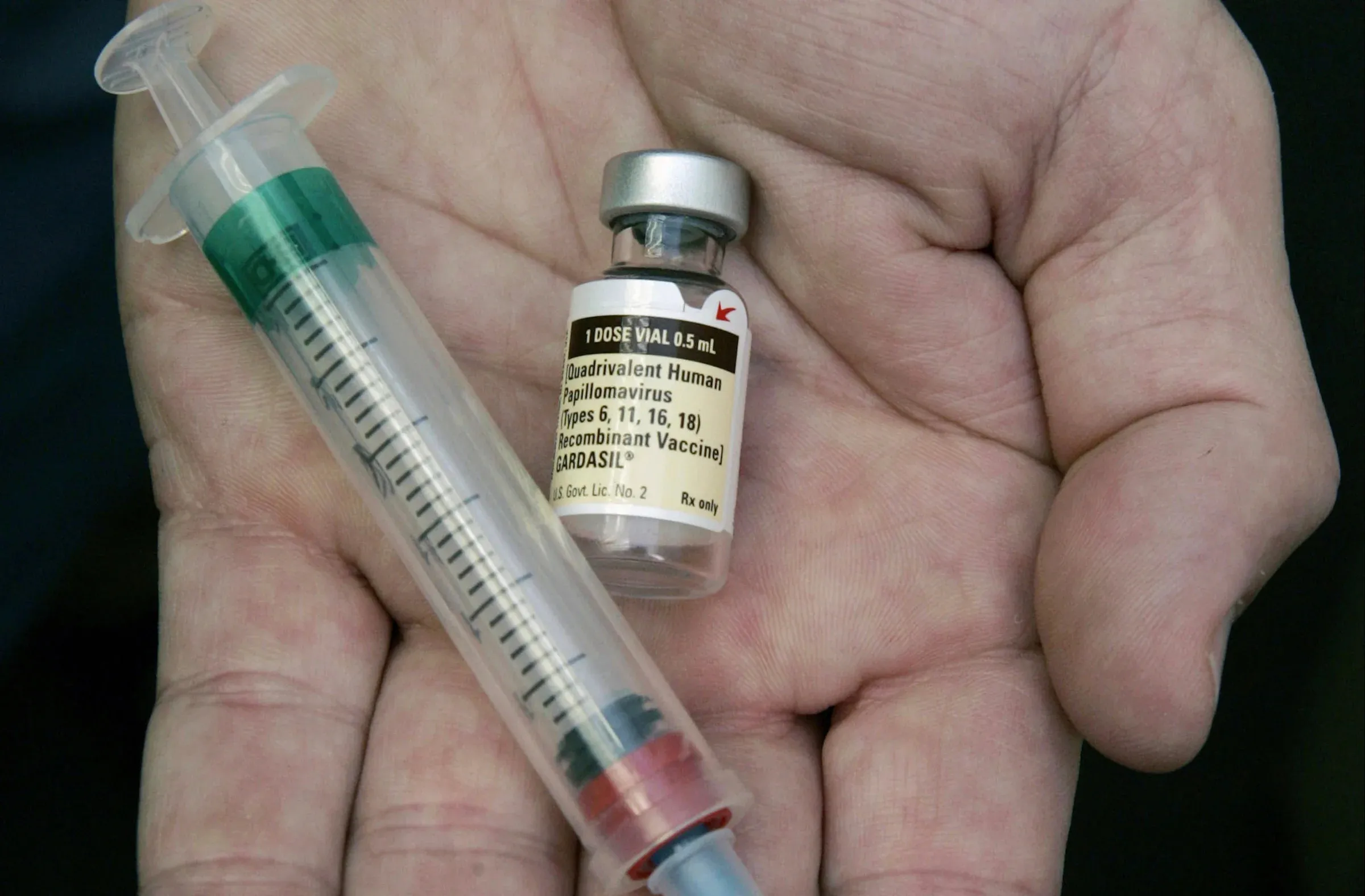
WASHINGTON New research indicates that just one dose of the HPV vaccine may be as effective as two in preventing the virus responsible for cervical cancer. Human papillomavirus (HPV) is widespread and transmitted through sexual contact. While most infections resolve naturally, some persist and can lead to cancers years later, including cervical cancer in women and less common cancers in both sexes.
Since 2006, HPV vaccination has been recommended for girls in the U.S., and rates of precancerous cervical lesions have already declined among women in their twentiesthe first generation to receive the vaccine as adolescents. Despite progress, cervical cancer still claims approximately 340,000 lives worldwide each year. The latest findings from a large-scale study in Costa Rica could support efforts to expand protection for girls and young women in low-income regions.
The study, led by the U.S. National Cancer Institute, included over 20,000 girls aged 12 to 16. Participants received one of two globally used HPV vaccines. Six months later, half received a second dose of their assigned vaccine, while the remaining girls received an unrelated childhood vaccine. Researchers followed the participants for five years, conducting regular cervical screenings to monitor the most cancer-associated HPV strains. Results were compared with an unvaccinated control group.
Researchers from the NCI and Costa Ricas Agency for Biomedical Research found that a single HPV shot offered roughly 97% protection, comparable to two doses. The results were published in the New England Journal of Medicine. Earlier studies suggested one dose could be effective, and these new findings confirm strong protection for at least five years. Dr. Ruanne Barnabas of Massachusetts General Hospital, in an editorial accompanying the study, emphasized that the tools to eliminate cervical cancer exist; what is needed now is global implementation.
Current U.S. guidelines recommend two HPV shots starting at ages 11 or 12 for both girls and boys, as the virus can also cause head, neck, and other cancers. Catch-up vaccinations are advised through age 26 for those who have not been immunized. According to the Centers for Disease Control and Prevention, around 78% of 13- to 17-year-olds have received at least one dose. Globally, the World Health Organization estimates fewer than one-third of adolescent girls are vaccinated, though it now endorses either one or two doses to expand coverage.
The Costa Rican study did not provide data on HPV-related cancers beyond the cervix, and researchers note that longer-term follow-up is necessary to fully understand the vaccines lasting effects.
Author: Riley Thompson
Share
Study finds that just one dose of HPV vaccine could effectively combat cervical cancer
1 days ago 3 min read HEALTH

FDA official proposes changing vaccine approval process due to reported child deaths from Covid-19 shots
4 days ago 3 min read HEALTH

WHO says global elimination of measles is now a distant goal as cases surge
5 days ago 3 min read HEALTH

WHO reports 71% decrease in global measles cases over 24 years due to improved vaccination coverage
5 days ago 1 min read HEALTH