

Study Indicates That This 1 Irritating Illness Could Potentially Provide COVID Protection
- Last update: 4 days ago
- 3 min read
- 9 Views
- HEALTH
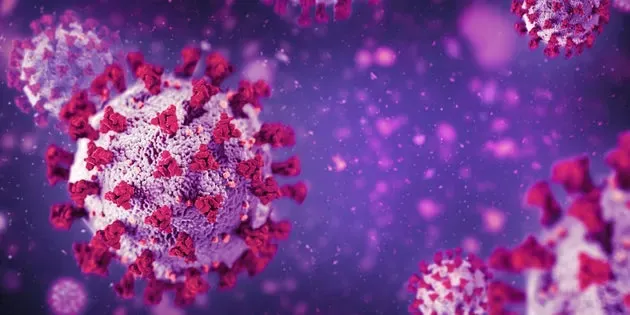
While catching a cold is never enjoyable, recent research indicates it may actually provide some defense against COVID-19. Unlike COVID-19, the common cold carries minimal risk of severe illness or long-term complications, and a new study published in The Journal of Infectious Diseases suggests that recent cold infections could reduce the likelihood of contracting COVID-19.
Study Overview
The research, led by doctors at National Jewish Health in Colorado, tracked participants over six months across the United States. The team collected 10,493 nasal swabs from 1,156 individuals, including both adults and children. Swabs were taken every two weeks and tested for 21 respiratory viruses, including COVID-19 via PCR.
Results showed that people who had a rhinovirus infection in the past 30 days were 48% less likely to become infected with COVID-19. Since children experience more frequent rhinovirus infections than adults, they may gain greater short-term protection against COVID-19. This could partially explain why children generally experience milder cases of the virus.
Impact on Viral Load
For those who did contract COVID-19 after a recent cold, the viral load detected in nasal swabs was lower compared to those without a recent cold. Lower viral loads are typically associated with milder symptoms, suggesting that prior cold infections may influence the bodys response to COVID-19.
Possible Mechanisms
Experts suggest several reasons why a common cold might offer some protection:
- Some colds are caused by other types of coronaviruses. Exposure to these may help the immune system recognize and respond to COVID-19 more effectively.
- Previous infections can trigger immune activity in respiratory tissues, potentially making them more resilient to subsequent infections.
- Rhinovirus infections activate antiviral genes that may help the body combat other viruses.
If your immune system recently fought an infection, it may be better prepared to handle a new virus like COVID-19, said Dr. Alexa Mieses Malchuk, a family physician in Pennsylvania.
Limitations of the Study
Researchers caution that nasal swabs only provide a partial view of infection and that two-week intervals may have missed some viral events. Therefore, prior cold infections do not guarantee full protection against COVID-19. Repeated infections can sometimes lead to complications such as asthma, and long-term effects of this potential immunity remain uncertain.
Practical Advice
Experts emphasize that avoiding COVID-19 exposure and following vaccination guidance remain the safest strategies for protection. Updated COVID-19 vaccines for 20252026 are expected soon, though eligibility details are still evolving.
Additional protective measures include:
- Ventilating indoor spaces with open windows or HEPA filters.
- High-quality N95 masks for those at higher risk.
- Healthy lifestyle habits to support immune function, including sufficient sleep, stress management, regular exercise, and a nutrient-rich diet.
While a recent cold might provide some antiviral benefits, consistent vaccination and general health practices remain the most reliable ways to stay protected against COVID-19.
Author: Sophia Brooks
Share

Top 4 Frozen Foods for Heart Health Recommended by a Cardiologist and a Nutrition Researcher
5 minutes ago 3 min read HEALTH

Top Aerobic Exercise Tip for Longevity Shared by Fitness Experts
23 minutes ago 3 min read HEALTH

New Study Reveals That This Popular Diet May Make It More Difficult for You to Have a Bowel Movement
43 minutes ago 3 min read HEALTH

Health Rounds: Study finds shingles vaccine decreases risk of dementia-related death
1 hours ago 2 min read HEALTH

Newly FDA Approved Glasses Can Help Slow Down Your Child's Myopia Progression
3 hours ago 2 min read HEALTH
Atraverse receives FDA approval for HOTWIRE transseptal access system
4 hours ago 2 min read HEALTH
FDA warns of 7 deaths and more than 700 injuries linked to faulty glucose monitors
5 hours ago 2 min read HEALTH
The FDA confirmed 10 children died after receiving COVID vaccines. SAN verified the information.
5 hours ago 3 min read HEALTH

Make sure to mark your calendars for these Tricare and other health benefits deadlines
5 hours ago 3 min read HEALTH

Cardiologists Say These 2 Tips Can Help During the 'Worst Time of the Year' for Heart Health
6 hours ago 2 min read HEALTH