

Testing to start on farms following detection of bluetongue
- Last update: 3 days ago
- 2 min read
- 39 Views
- HEALTH
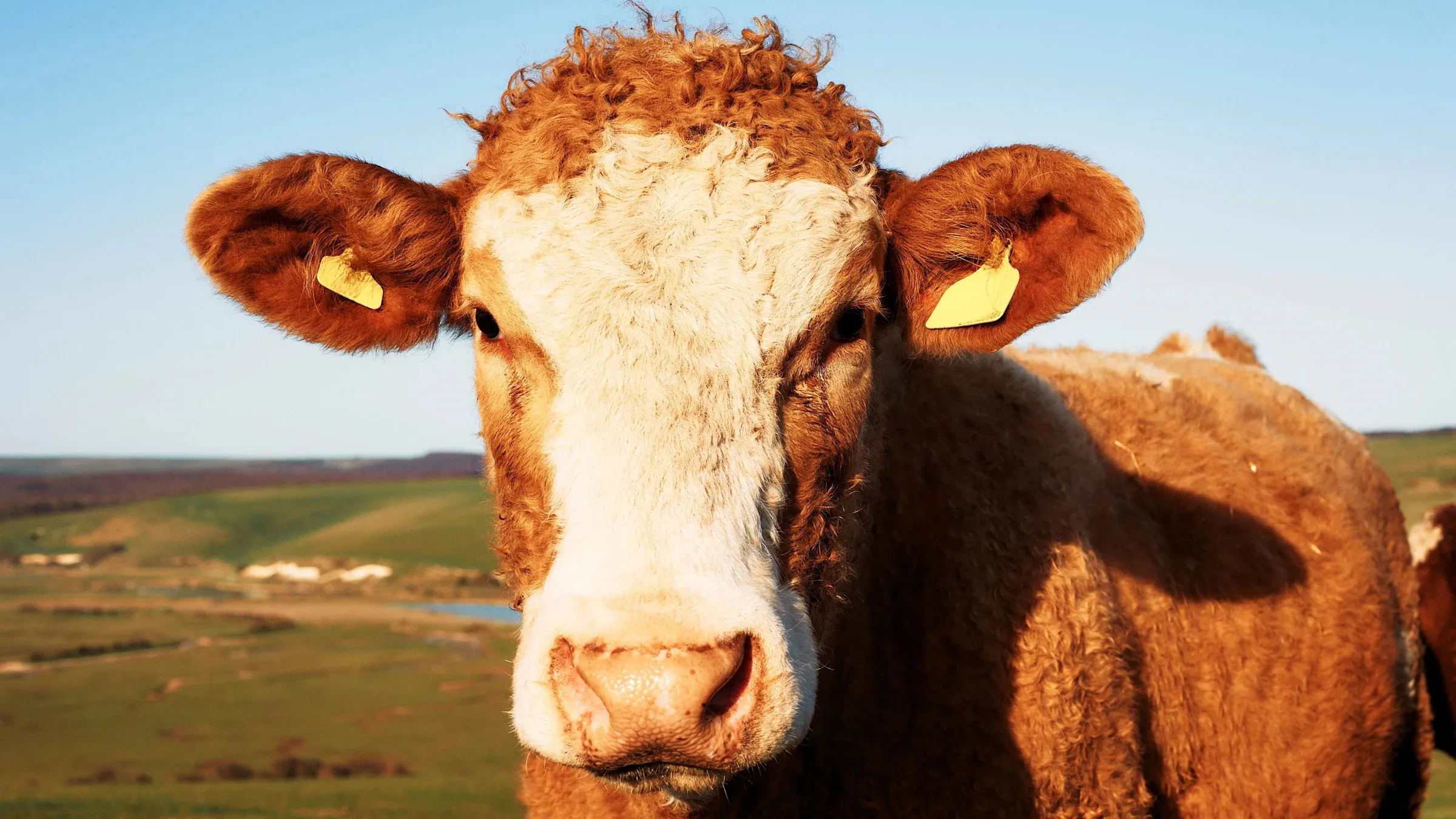
Testing at 20 farms across Northern Ireland will commence this week after the detection of bluetongue virus (BTV-3). The virus, transmitted by midges, poses no risk to human health or food safety but can affect cloven-hoofed animals such as sheep and cattle.
The Department of Agriculture, Environment and Rural Affairs (Daera) confirmed that surveillance at an abattoir revealed the virus in two cows from a farm near Bangor, County Down. In response, a temporary 20km control zone was established at 21:00 BST on Saturday.
Daera veterinary officer Ignatius McKeown stated that farms within this zone will undergo random testing to assess the virus's spread. We aim to have as many of these farms tested by the end of the week, he said. He added that while organizing the testing takes time, the department is working as quickly as possible.
Clandeboye Estate reported that routine testing indicated possible bluetongue antibodies in two animals formerly part of their herd. They notified Daera immediately and are cooperating with veterinary authorities for further investigation.
Since July, Northern Ireland has aligned with the rest of the UK in allowing pre-emptive vaccination against the virus. Biting midges, the primary vector, are most active from April to November. Spread largely depends on climate and wind, with colder temperatures significantly reducing risk.
Mr. McKeown emphasized the importance of vaccination, noting that animals should be immunized well in advance of warmer months when midges become more active. The high-risk period begins in April and May, and animals must be protected before then, he said. At present, the number of midges is low, so the likelihood of transmission remains limited.
Bluetongue virus can affect cattle, goats, sheep, deer, and camelids like llamas and alpacas. Symptoms include mouth and facial sores, difficulty swallowing and breathing, fever, lameness, and in some cases, foetal deformities or stillbirths. The disease is notifiable, and any suspected cases must be reported to a vet, local divisional veterinary office, or directly to Daera.
The current outbreak traces back to the Netherlands in 2023, which caused the deaths of tens of thousands of sheep. Midges carried the virus to south-east England, although the severity of BTV-3 infections varies, with some animals recovering without significant symptoms. Farmers remain concerned about the potential spread of the disease, according to government officials.
Author: Sophia Brooks
Share

Top 4 Frozen Foods for Heart Health Recommended by a Cardiologist and a Nutrition Researcher
1 hours ago 3 min read HEALTH

Top Aerobic Exercise Tip for Longevity Shared by Fitness Experts
1 hours ago 3 min read HEALTH

New Study Reveals That This Popular Diet May Make It More Difficult for You to Have a Bowel Movement
1 hours ago 3 min read HEALTH

Health Rounds: Study finds shingles vaccine decreases risk of dementia-related death
3 hours ago 2 min read HEALTH

Newly FDA Approved Glasses Can Help Slow Down Your Child's Myopia Progression
4 hours ago 2 min read HEALTH

Atraverse receives FDA approval for HOTWIRE transseptal access system
5 hours ago 2 min read HEALTH

FDA warns of 7 deaths and more than 700 injuries linked to faulty glucose monitors
6 hours ago 2 min read HEALTH
The FDA confirmed 10 children died after receiving COVID vaccines. SAN verified the information.
6 hours ago 3 min read HEALTH

Make sure to mark your calendars for these Tricare and other health benefits deadlines
6 hours ago 3 min read HEALTH

Cardiologists Say These 2 Tips Can Help During the 'Worst Time of the Year' for Heart Health
7 hours ago 2 min read HEALTH