

Trump's Travel Ban Intensifies, Impacting Citizenship Applicants
- Last update: 1 hours ago
- 2 min read
- 403 Views
- POLITICS
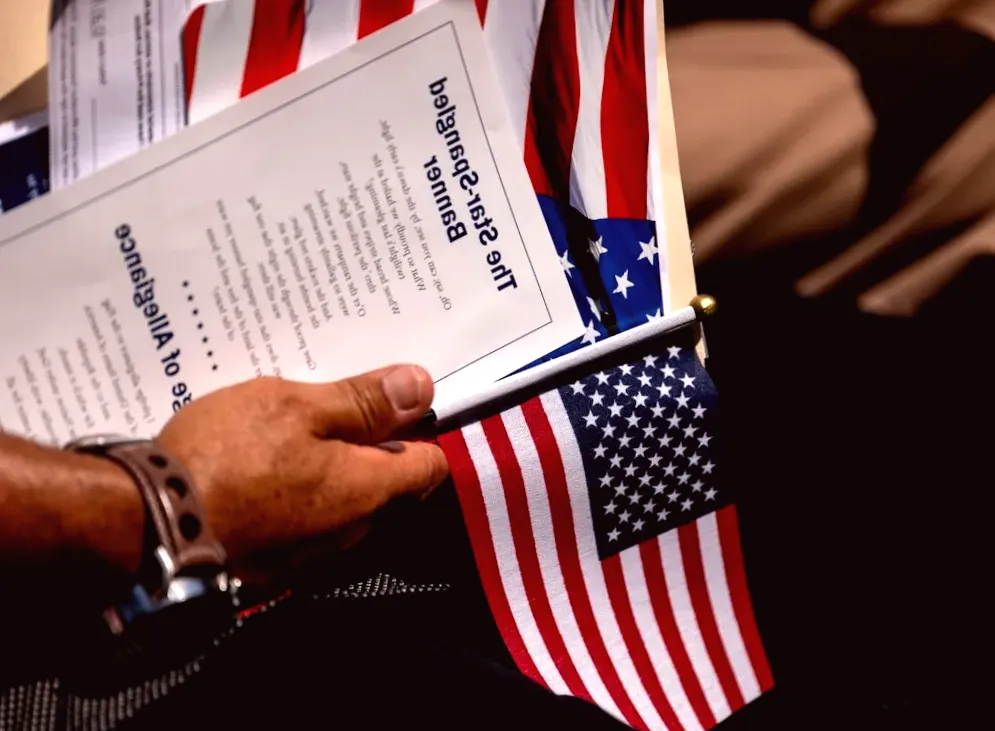
The Trump administration has announced a suspension of immigration and citizenship applications from 19 countries previously affected by travel restrictions. According to a memo from the U.S. Citizenship and Immigration Services (USCIS), applications for green cards and naturalization from these nations will be temporarily halted.
The affected countries were already included in an executive order issued by President Trump in June, which barred entry to citizens of Afghanistan, Myanmar, Chad, the Republic of Congo, Equatorial Guinea, Eritrea, Haiti, Iran, Libya, Somalia, Sudan, and Yemen. Travel limitations were also imposed on citizens of Burundi, Cuba, Laos, Sierra Leone, Togo, Turkmenistan, and Venezuela.
Previously, those already legally residing in the U.S. from these countries faced no new restrictions. The new directive, however, freezes all immigration-related applications and can only be reversed by USCIS Director Joseph Edlow.
Although similar restrictions had been under consideration last month, a recent incident involving an Afghan national allegedly targeting National Guard troops appears to have accelerated the implementation of the policy. The USCIS stated that due to identified concerns and threats to the American people, a full re-review, including potential interviews and re-interviews, will be conducted for all applicants from high-risk countries who entered the U.S. on or after January 20, 2021, including cases processed during the Biden administration.
Critics argue the policy is discriminatory, punishing individuals who have complied with legal immigration procedures. It disproportionately affects not only Afghan immigrants but also citizens from 18 other countries, raising concerns of bias and arbitrary decision-making. Many view the measure as an attempt to reshape U.S. immigration policy along exclusionary and racially motivated lines.
Author: Benjamin Carter
Share

The Supreme Court's decision boosts Democrats in California and other states reshaping US House districts
13 minutes ago 3 min read POLITICS

Texas Receives a Free Pass for Gerrymandering. Will California Receive the Same Treatment?
20 minutes ago 2 min read POLITICS

Trump stands by controversial new hepatitis B vaccine recommendations for infants
22 minutes ago 2 min read POLITICS

If the Trump administration seems confusing, just think of it as a royal family.
26 minutes ago 4 min read POLITICS

After the push for artificial intelligence, the Trump administration is now exploring the use of robots.
30 minutes ago 3 min read POLITICS

Stefanik claims Johnson is being dishonest about provision in defense bill
31 minutes ago 2 min read POLITICS

Trump versus Slaughter: An explanation
31 minutes ago 4 min read POLITICS
Trump's pardon of Honduras' ex-president exposes the truth
37 minutes ago 2 min read POLITICS
Republicans begin to turn against Pete Hegseth amidst allegations
39 minutes ago 2 min read POLITICS

Trump's derogatory comments about Somalians denounced as racism by Minnesota officials
40 minutes ago 2 min read POLITICS