

Why Pete Hegseth should be worried about the damning new 'Signalgate' IG report
- Last update: 54 minutes ago
- 3 min read
- 283 Views
- POLITICS
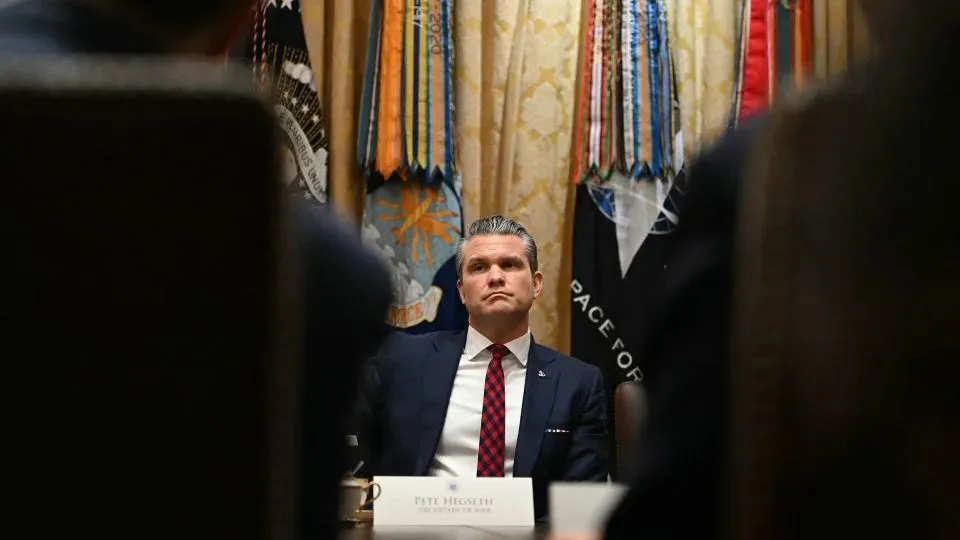
Defense Secretary Pete Hegseth faces heightened criticism following the release of an inspector general (IG) report on Thursday, which examined his use of the unclassified messaging app Signal to share sensitive military operational plans earlier this year. Despite Hegseths claims on Wednesday that the report provided complete exoneration, the findings suggest otherwise.
The investigation centers on the early controversy dubbed Signalgate, originating from Hegseths sharing of details about upcoming strikes on Yemens Houthi rebels. These operational plans were intended solely for senior administration officials. However, an unintended recipientJeffrey Goldberg, editor-in-chief of The Atlanticwas added to the chat by then-national security adviser.
Hegseth has insisted that no classified information was transmitted through Signal, a defense the IG report challenges. While the report does not definitively classify the information at the time of sharing, it emphasizes that the content was highly sensitive and should have been protected. Crucially, the report concludes that Hegseths use of Signal violated Department of Defense rules and potentially endangered both the mission and U.S. personnel.
The report highlights that operational details shared by Hegseth approximately two hours before the strikes closely mirrored classified information from a U.S. Central Command (CENTCOM) email sent 15 hours earlier, which was marked SECRET and NOFORN, meaning it could not be shared with foreign entities. The IG report notes that these details included aircraft types, launch schedules, and strike timingsinformation that CENTCOM guidelines deem classified.
Although the report acknowledges Hegseths authority to declassify information, it stresses that releasing such sensitive material prior to a military operation posed a significant risk. The IG report disputes Hegseths claim that the chat posed no threat, noting that if the information had reached adversaries, it could have enabled the Houthis to evade U.S. strikes and jeopardize operational success.
Furthermore, even if the data was not technically classified, Hegseth still violated DoD Instruction 8170.01 by using a personal device to share nonpublic information, potentially endangering U.S. pilots.
The report draws a sharp parallel to past national security controversies, including criticisms Hegseth previously made about Hillary Clintons private email server, emphasizing that mishandling sensitive informationregardless of actual harmposes serious risks to personnel and missions.
While this is not the only issue surrounding Hegseth, the IG report adds significant pressure amid prior controversies, including a controversial double-tap strike in the Caribbean. Although the White House has expressed continued support for Hegseth, the findings raise serious questions about his judgment and adherence to security protocols.
Author: Connor Blake
Share

Report on 'Signalgate' released today, sparking further controversy over Hegseth's communication
1 minutes ago 3 min read POLITICS

Co-founder without party affiliation announces candidacy for state Senate in Michigan
12 minutes ago 2 min read POLITICS

House Democrat to file articles of impeachment against Hegseth for boat strikes: 'Allegations of war crimes'
15 minutes ago 3 min read POLITICS

Breaking News: Trump Signs Peace Deal Between Rwanda and Congo; Lawmakers Receive Update from Admiral on Boat Collisions
18 minutes ago 2 min read POLITICS

Supreme Court Approves New Tactic for Unlawful State Gerrymandering
18 minutes ago 2 min read POLITICS

Appeals court approves ongoing deployment of Trump National Guard in DC
20 minutes ago 3 min read POLITICS

Trump Jr Confesses to Being 'Pretty Conspiratorial' Following Kash Patel's Statement that Wild Claims Distract the FBI
21 minutes ago 2 min read POLITICS

CDC vaccine advisers postpone hepatitis B vote due to confusion
22 minutes ago 3 min read POLITICS

Legal challenge against zoo planning denied
23 minutes ago 2 min read POLITICS

First Russian MiG-29 Reportedly Destroyed in Ukraine, But There Could Be More to the Story
25 minutes ago 3 min read POLITICS