

The Key Reason Why Planes Dim the Cabin Lights During Takeoff and Landing
- Last update: 7 hours ago
- 2 min read
- 161 Views
- TRAVEL
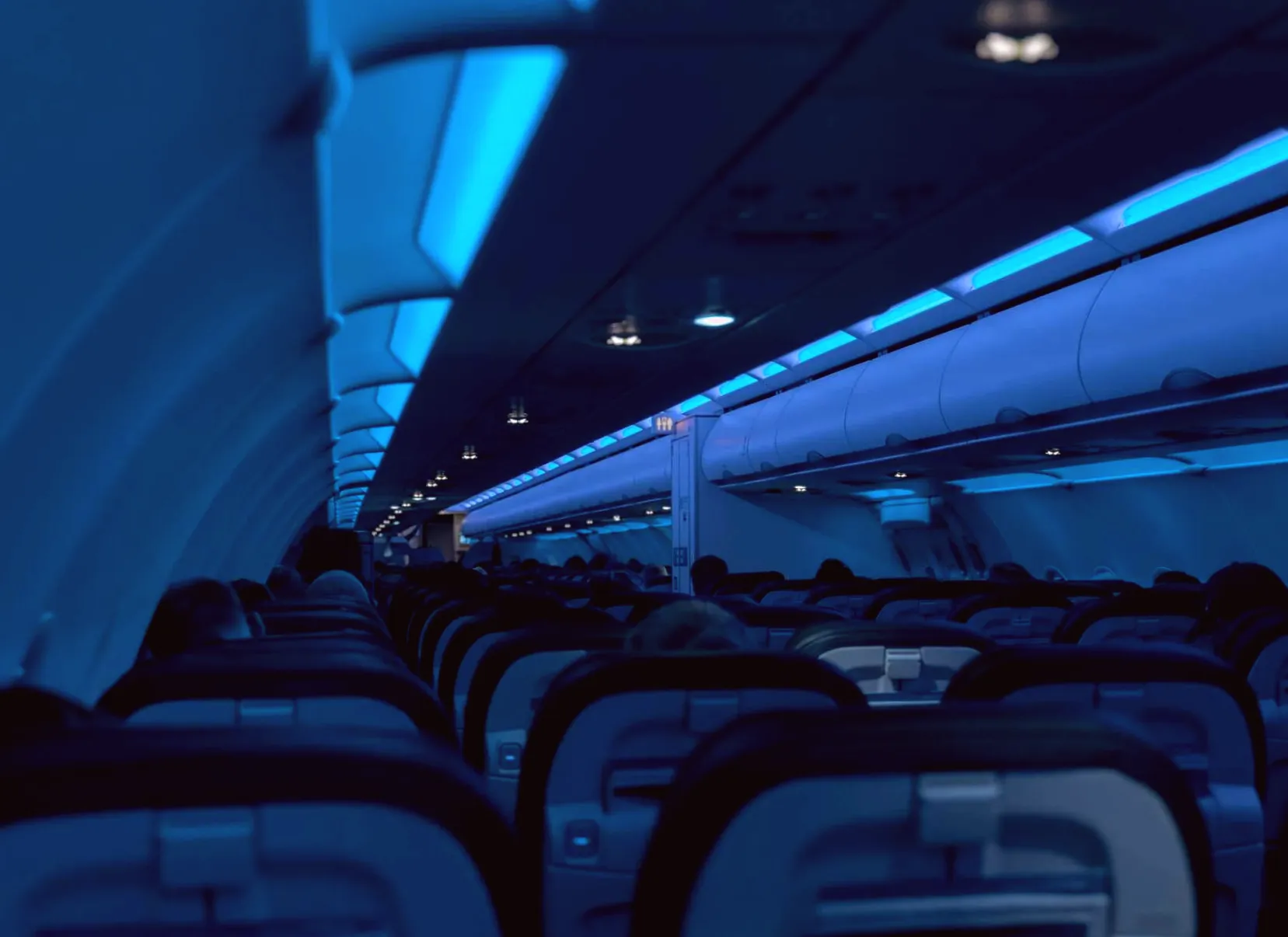
Dimming the cabin lights during takeoff and landing is a safety measure designed to help passengers eyes adjust to lower light levels. According to aviation experts, this adaptation is essential in case a quick evacuation becomes necessary.
Passengers may only notice a few of the many procedures pilots and crew follow, and the change in lighting is one of them. Although it can feel inconvenientespecially when reading or browsing in-flight materialsthe reason goes far beyond comfort.
Agnes Chantre, chief pilot at Air Tahiti Nui, explains that lowering the brightness allows travelers eyes to transition faster to darkness. This minimized adjustment time is crucial if visibility outside the aircraft becomes important during an emergency.
Flight attendant Paula S. Adams, formerly with Etihad Airways, emphasizes that the dimming policy is strictly about safety. Takeoff and landing are considered the most sensitive moments of a flight, when incidents are most likely to occur. If something goes wrong, both passengers and crew must be able to see clearly and react immediately.
Industry data supports this concern: more than half of all aircraft accidents happen during landing, with takeoff and initial climb also ranking among the highest-risk phases. Cruising accounts for only a small fraction of incidents. Despite the rarity of accidents overall, airlines follow strict precautions to maintain the highest level of readiness.
Darker cabins also reduce glare on the windows, helping crew and passengers identify external hazards such as fire, smoke, or debris. Inside the aircraft, dim conditions make illuminated emergency path markers more visible, improving evacuation awareness.
While energy savings are minimal, lowering the lights can help older aircraft or those operating on reduced power prioritize essential systems during critical flight stages.
Author: Caleb Jennings