

California pesticide agency considers easing regulations on highly toxic rat poisons
- Last update: 56 minutes ago
- 3 min read
- 962 Views
- US
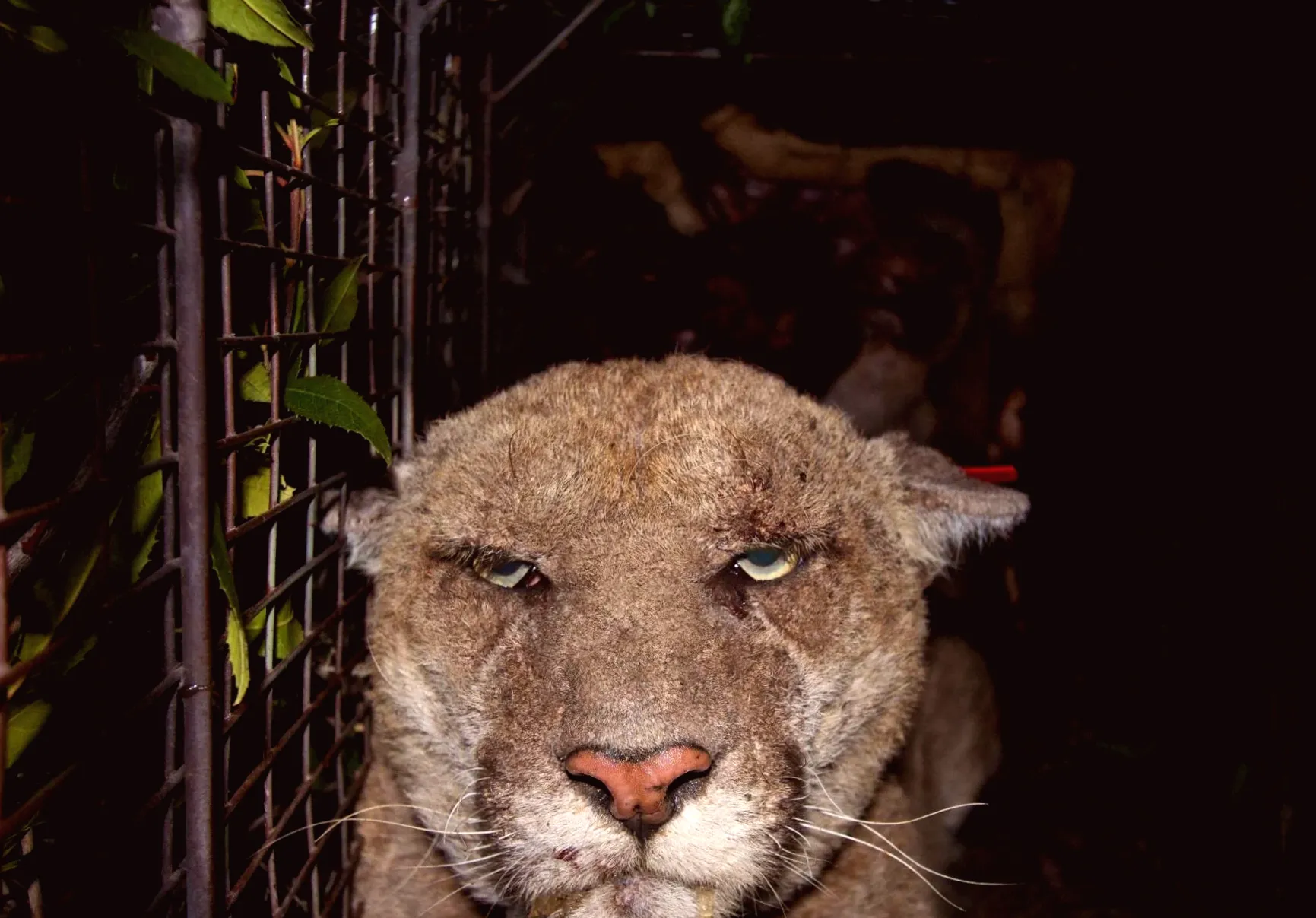
The administration of California Governor Gavin Newsom is proposing to relax regulations on some of the most potent rat poisons, despite new findings showing these chemicals are harming wildlife statewide, including endangered species.
Blood-thinning anticoagulant rodenticides were heavily restricted under a 2024 state law, which followed a decade of legislative debate. The law required the California Department of Pesticide Regulation to limit these substances unless data demonstrated that affected wildlife populations had recovered. However, a recent report from the California Department of Fish and Wildlife shows widespread exposure among numerous species, including mountain lions, hawks, owls, bears, and bobcats. Approximately 83% of tested bald eagles carried the poison in their blood, and endangered California condors also showed high levels.
Despite this evidence, the Newsom administration plans to move forward with rules that would allow these toxic rodenticides at over 100,000 additional locations, including grocery stores, restaurants, highways, parks, and wildlife areas. Critics argue that industry influence may be driving the push to loosen restrictions. Jonathan Evans, senior attorney at the Center for Biological Diversity, stated that one agency is presenting clear data of wildlife harm while another seeks to roll back legally established protections.
The anticoagulant poisons cause a prolonged, painful death by internal bleeding, often taking days to kill. These chemicals persist in rodents longer than other poisons and accumulate in predators higher in the food chain. Even when predators survive exposure, they may suffer illness, disorientation, and weakened recovery from injuries. Mountain lions, already facing pressures from habitat loss, development, and car collisions, are particularly affected. One notable case involved a mountain lion in Los Angeles that was poisoned, became disoriented, and was fatally struck by a car.
Other wildlife, including river otters, great-horned owls, and red-shouldered hawks, are also showing signs of poisoning. Lisa Owens-Viani, director of Raptors Are The Solution, emphasized the importance of maintaining strict regulations to protect natural rodent predators.
California passed the Poison Free Wildlife Act of 2024 to lead the nation in wildlife protection, partly inspired by conservation efforts of Governor Newsoms father. Yet, Evans noted that the pesticide agencys funding comes largely from pesticide sales, creating a potential conflict of interest.
Although some anticoagulant restrictions were implemented earlier, the 2024 wildlife data shows little reduction in exposure among predators. A loophole in the law allowing use on agricultural land may contribute to this limited progress. Lawmakers who supported the 2024 law have urged the agency to withdraw the proposed changes, calling the reasoning unclear and insufficient.
The governors position on this proposal is being closely watched, as it will indicate whether California continues prioritizing wildlife protection or favors the interests of the pesticide industry.
Author: Riley Thompson
Share
US smuggling ring raided by authorities makes horrifying discovery: 'These operations send a clear message'
4 hours ago 2 min read WORLD
Rare creature and its young caught on hidden cameras for the first time
2 days ago 2 min read WORLD
Wildlife expert urges people to stop harmful backyard habit that can hurt animals
2 days ago 2 min read WORLD

California Officials Issue Warnings as Wild Pigs Turn Bright Blue
4 days ago 3 min read WORLD