
Thousands take part in the Apprentice Boys' procession
- Last update: 2 hours ago
- 3 min read
- 539 Views
- US
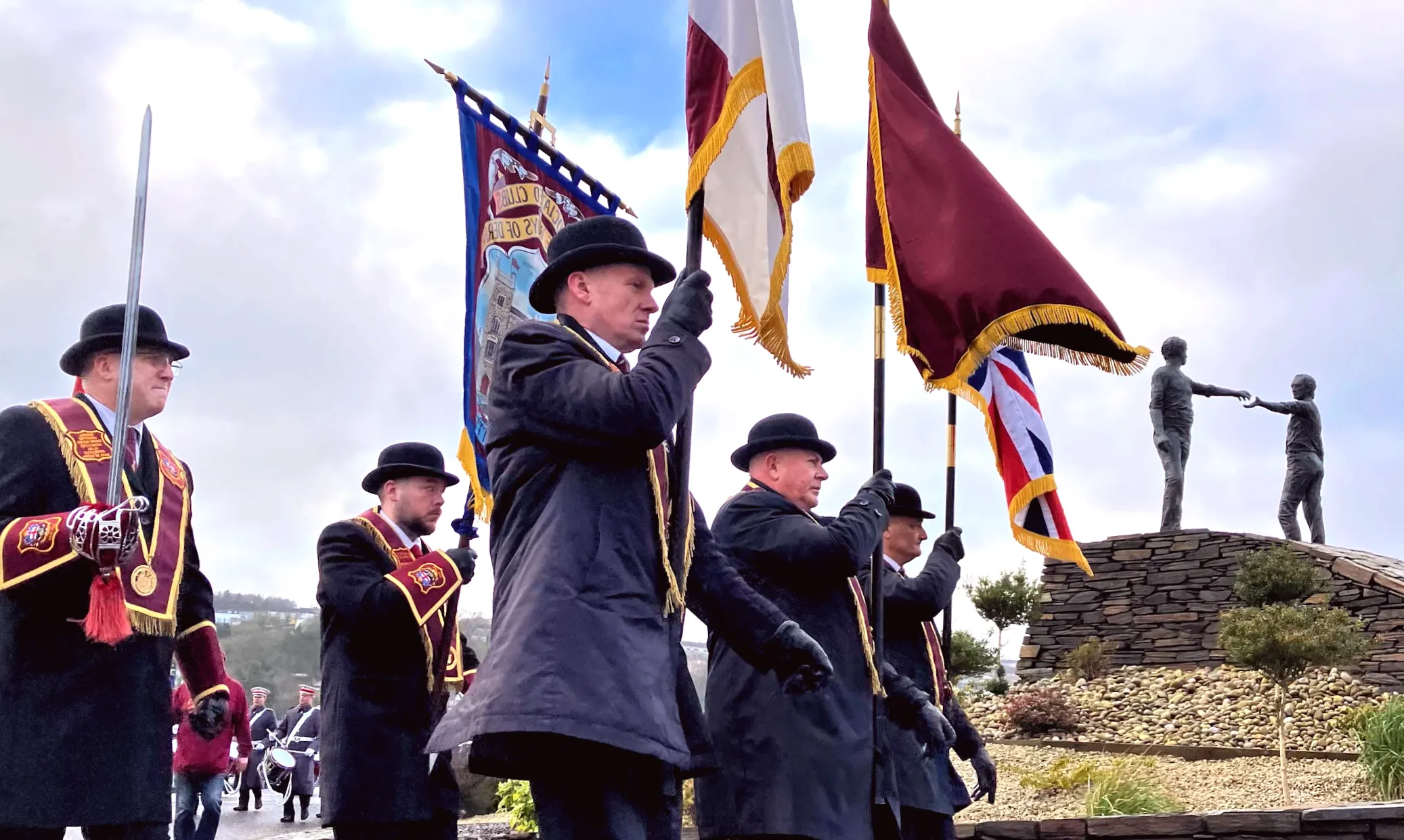
The traditional Apprentice Boys parade is taking place in Londonderry, commemorating the historic siege of the city in the late 17th century, during which thousands lost their lives. The annual event honors the 13 apprentices who, in December 1688, shut the gates of the walled city to prevent the advance of King James II's army.
Approximately 2,500 members of the Apprentice Boys are marching in the parade, which concludes with the customary burning of an effigy of Lt Col Robert Lundy. The participants are accompanied by 24 musical bands as they move through the city center.
Visitors began arriving in the city on Saturday morning, crossing Craigavon Bridge from the Waterside before the parade commenced. Authorities have warned of potential traffic disruptions throughout the day. The evening will feature the ceremonial burning of Lundys effigy near the city center.
William Walker, governor of the Apprentice Boys of Derry, described the event as a "solemn day of commemoration." He encouraged visitors to reflect on the courage of the 13 apprentices and the impact their actions had on history. Walker also praised the efforts of organizers who prepared for the event.
Preceding the main parade, a symbolic cannon firing was conducted at midnight on Friday, and a small group retraced the route originally taken by the apprentices to the city gates in 1688.
The parade is one of two annual ceremonies marking the Siege of Derry. A service of thanksgiving is scheduled at St. Columb's Cathedral, followed by a wreath-laying at the Siege Heroes' Mound. Walker emphasized respect for all cultural celebrations and advised against disruptive behavior in the city.
The December parade commemorates the closure of the city gates on 7 December 1688, while the main parade in August, known as the Relief of Derry, marks the end of the 105-day siege in 1689. Lt Col Robert Lundy, the city governor at the sieges start, is remembered as a traitor for proposing surrender, and his effigy is burned annually in Bishop Street.
The parade route begins at the North West Transport Hub in the Waterside at 11:30 GMT. Marchers proceed along Duke Street, over Craigavon Bridge, to the Memorial Hall, then along Society Street, Bishop Street, the Diamond, and surrounding streets into St. Columb's Cathedral grounds. The effigy burning takes place at Bishop Street around 16:00, with the parade returning to the Waterside via Craigavon Bridge by 16:30. The Police Service of Northern Ireland confirmed that the city center will remain open, with brief closures on key streets to accommodate the procession.
Author: Zoe Harrison