

Trump's crackdown on all forms of immigration to the US is escalating
- Last update: 2 days ago
- 4 min read
- 417 Views
- US
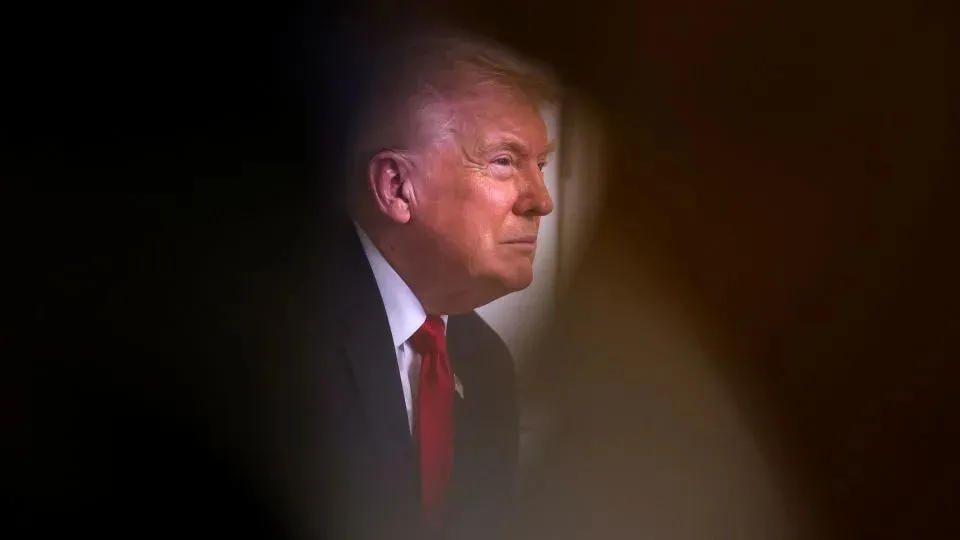
President Donald Trumps new immigration measures, triggered by the recent shooting of two National Guard members, now target nearly every legal and illegal avenue for entering the United States. The sweeping restrictions have left immigrants uncertain about the fate of their pending applications and created a climate of fear and confusion.
The administrations mass deportation efforts have been widely noted for aggressive arrests of undocumented immigrants across the country. At the same time, gradual changes to the immigration system have disrupted processes for millions, making an already complex system even harder to navigate.
Following the shooting in Washington, reportedly involving an Afghan migrant, the administration introduced several policy adjustments. These include pausing asylum decisions, reviewing cases processed under the Biden administration, and reexamining certain green-card holders. These moves carry broad consequences for immigrants residing in the US.
Were reassessing all asylum applicants, travelers, and green-card holders, examining their social media, communications, biometrics, and government records, Homeland Security Secretary Kristi Noem told CNN. She also suggested expanding the travel ban to 3032 countries, up from the current 19, though specifics on the added nations and announcement timeline remain unclear.
US Citizenship and Immigration Services (USCIS) immediately paused immigration applications from the existing 19 countries. The administration has consistently cited national security concerns to justify these changes, claiming they address exploitation of the system by both new arrivals and current residents. Immigration advocates, however, argue these abrupt shifts slow an already cumbersome system. Its like walking blindfolded in a hall of mirrors, said Jeff Joseph, president of the American Immigration Lawyers Association. Policy changes arrive unpredictably, making guidance nearly impossible.
Legal challenges to these measures have increased uncertainty. Attorneys often advise clients to wait amid the unpredictable policy shifts, while some immigrants choose voluntary departure. Experts emphasize that while the executive branch can adjust policies, sweeping systemic changes require congressional action, limiting what Trump can achieve unilaterally.
Under the Biden administration, the southern border faced high migrant crossings driven by the pandemic, natural disasters, and economic instability in Latin America. Although border restrictions reduced crossings toward the end of Bidens term, controlling the flow of migrants remained central to Trumps agenda. Early in his second term, Trump signed an executive order declaring a border emergency, deploying additional military personnel, and resuming construction of the border wall, awarding a $70 million contract for a seven-mile section in southern Texas.
After the recent shooting of National Guard members, USCIS paused all asylum decisions to ensure thorough vetting, affecting over 2.2 million pending cases as of August 2025. DHS is also reviewing asylum decisions made during Bidens presidency, further delaying outcomes.
The administration continues to reduce protections under Temporary Protected Status (TPS), targeting citizens of Haiti, Venezuela, Afghanistan, Cameroon, Nepal, Honduras, Nicaragua, Syria, South Sudan, and Burma. Currently, 12 countries remain covered under TPS, though designations may change due to ongoing legal proceedings.
Refugee admissions have been capped at 7,500 annually, a sharp drop from previous years when the US welcomed over 100,000 refugees, including those from Congo, Afghanistan, Venezuela, and Syria. White South Africans are currently prioritized under the program, citing claims of persecution linked to local land reform policies, though the South African government disputes these allegations.
USCIS is also reviewing green-card holders from the 19 designated countries of concern, potentially affecting tens of thousands of residents. Work visa regulations, especially H-1B visas, have tightened, with a $100,000 application fee and stricter definitions for specialty occupations, though the agriculture sector has seen more lenient treatment due to reliance on immigrant labor.
International student visas have also been curtailed, with thousands revoked, particularly for those involved in protests or from countries like China. Restrictions on social media activity for visa holders have deterred some prospective students from applying to US universities.
These sweeping measures reflect the administrations intent to reshape US immigration policies across multiple fronts, creating both legal and social uncertainty for immigrants and students nationwide.
Author: Sophia Brooks
Share
US suspends all green card applications from 19 'countries of concern'
1 days ago 2 min read US
The Latest: Immigration applications from 19 countries paused by Trump administration
2 days ago 2 min read POLITICS

Trump suspends immigration applications from 19 countries following DC National Guard shooting
2 days ago 2 min read POLITICS
Trump's crackdown on all forms of immigration to the US is escalating
2 days ago 4 min read US
Trump administration halts immigration applications from citizens of 19 countries
2 days ago 2 min read WORLD
Trump halts processing of immigration applications from 19 countries
2 days ago 3 min read POLITICS

Trump administration suspends immigration applications for migrants from 19 countries affected by travel ban
2 days ago 2 min read POLITICS

US halts citizenship ceremonies for migrants from countries affected by travel ban
2 days ago 2 min read POLITICS

Trump confirms he would 'definitely' strip citizenship from naturalized criminals — if he has the power
2 days ago 2 min read POLITICS
Trump intensifies immigration crackdown following shooting
2 days ago 3 min read POLITICS