

Witness the largest celestial events of 2026. Here's a guide to what you can observe.
- Last update: 2 days ago
- 3 min read
- 424 Views
- US
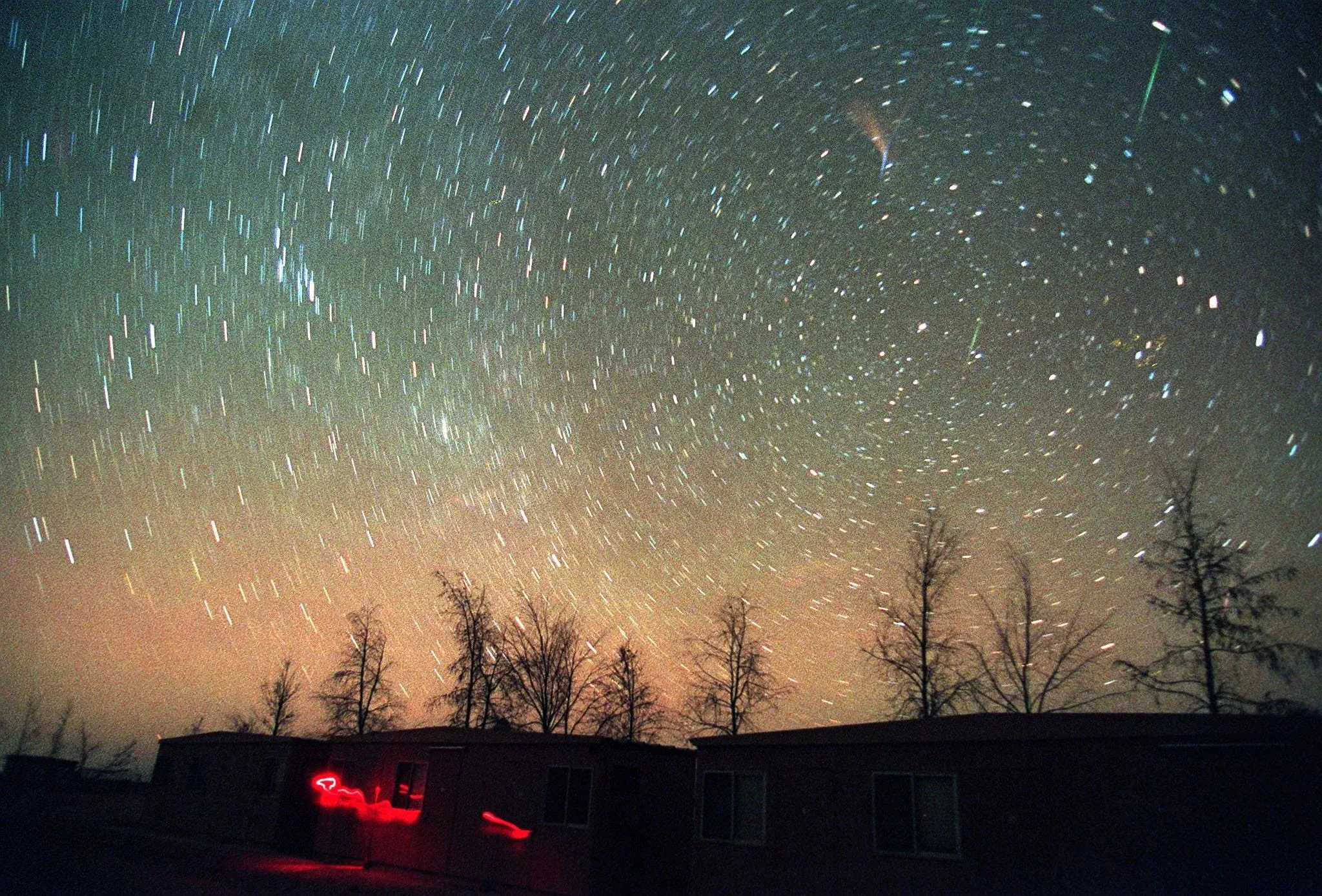
The cosmos often draws our attention away from daily routines, reminding us of the vast universe surrounding us. Whether its a radiant full moon, a fleeting meteor shower, or the spectacle of a solar or lunar eclipse, observing the sky has become a favorite pastime for those who enjoy a mix of wonder and science. Many people follow these celestial events because they are often rare, occur annually, and are completely free to observe.
From supermoons to unexpected fireballs, space events continue to captivate enthusiasts, and 2026 promises to be another remarkable year for sky-watchers. Whether you meticulously plan to view every phenomenon or only notice them when shared on social media, heres a guide to the key astronomical events of 2026.
Full Moons in 2026
A full moon happens when the moon is positioned opposite the sun, fully illuminated from Earths perspective, completing its roughly 29.5-day cycle. In 2026, there will be a "monthly blue moon" in May, resulting in 13 full moons throughout the year. Each full moon carries a unique name, often reflecting seasonal, cultural, or traditional significance.
Supermoons
Supermoons occur when a full moon coincides with the moons closest approach to Earth in its elliptical orbit, called perigee. During this time, the moon appears larger and brighter than usual. In 2026, there will be three supermoons, continuing the trend of spectacular lunar displays.
Eclipses in 2026
Eclipses take place when the Earth, moon, and sun align. Solar eclipses can be total, partial, or annular, while lunar eclipses may be total or partial as the moon moves through Earths shadow. In 2026, four major eclipses are scheduled:
- Feb. 17: Annular solar eclipse visible in southern Africa and southern South America, forming a bright ring around the sun.
- Mar. 2-3: Total lunar eclipse visible across eastern Europe, Asia, Australia, North and South America, where the moon will be fully shadowed by Earth.
- Aug. 12: Total solar eclipse visible in Europe, Northern Asia, North and West Africa, and much of North America, with the moon completely covering the sun.
- Aug. 27-28: Partial lunar eclipse visible in Europe, western Asia, Africa, North and South America, with a portion of the moon passing through Earths umbra.
Meteor Showers in 2026
Meteor showers occur when Earth passes through streams of debris from comets or asteroids, creating bright streaks in the sky. Here are the peak viewing dates for 2026:
- Jan. 2-3: Quadrantids short, intense meteors visible in the Northern Hemisphere.
- Apr. 21-22: Lyrids moderate shower best seen from the Northern Hemisphere.
- May 5-6: Eta Aquariids fast, bright meteors, prominent in the Southern Hemisphere.
- Jul. 30-31: Southern Delta Aquariids faint meteors from the Southern Hemisphere, associated with comet 96P/Machholz.
- Jul. 30-31: Alpha Capricornids fewer meteors but bright fireballs visible in both hemispheres.
- Aug. 12-13: Perseids popular Northern Hemisphere shower known for bright meteors.
- Oct. 21-22: Orionids fast meteors best seen from the Northern Hemisphere, linked to Halleys Comet.
- Nov. 4-5: Taurids long-lasting, lower-rate shower visible in both hemispheres.
- Nov. 17: Leonids historically dramatic meteor storms, visible in both hemispheres.
- Dec. 14: Geminids highly active shower producing bright meteors, mostly in the Northern Hemisphere.
- Dec. 22: Ursids associated with comet 8P/Tuttle, visible from the Northern Hemisphere.
2026 offers sky-watchers a year filled with celestial wonders, from luminous full moons and supermoons to dazzling meteor showers and awe-inspiring eclipses. Observing these events provides a perfect blend of science and magic, reminding us of our place in the vast cosmic neighborhood.
Author: Natalie Monroe
Share
Bright supermoon and 2 meteor showers to illuminate California sky. Find out when
1 days ago 3 min read ENTERTAINMENT
The California sky will be illuminated by a 'Luminous' supermoon and 2 meteor showers. Here's when
1 days ago 3 min read ENTERTAINMENT
Is there a full moon tonight? Understanding the meaning of December 2025 cold moon and today's moon phase
1 days ago 3 min read ENTERTAINMENT
The final supermoon of the year is December's full moon. Here's what you need to know.
1 days ago 2 min read US
Exciting celestial events to watch for in New Mexico in 2026
2 days ago 2 min read ENTERTAINMENT

Predictions for 2026 based on Your Date of Birth
2 days ago 3 min read ENTERTAINMENT

4 Astrological Signs Drawing in Miracles During the Last Full Moon in Gemini of 2025
2 days ago 3 min read WORLD
Your December Horoscope Calls for Transformation as 4 Zodiac Signs Confront a Major Choice
2 days ago 6 min read BUSINESS
The December 2025 full moon is not only beautiful, it's also uncommon. Here's why
3 days ago 2 min read SCIENCE
December's full moon is particularly significant. Here's how to observe it.
3 days ago 2 min read SCIENCE