

The final supermoon of the year is December's full moon. Here's what you need to know.
- Last update: 1 days ago
- 2 min read
- 876 Views
- US
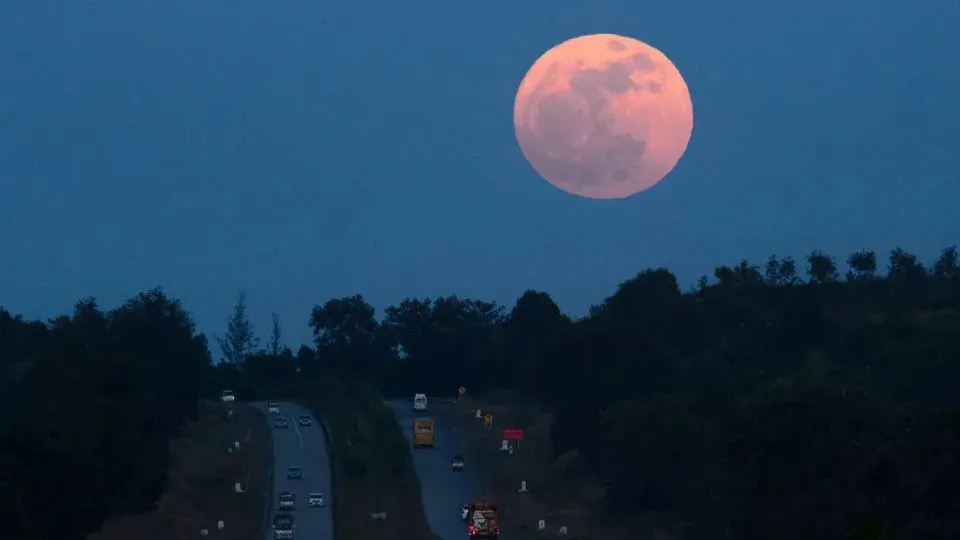
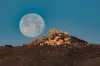
Stargazers should look to the skies this week to witness the years last supermoon. Decembers full moon, known as the cold moon, will reach its peak fullness at approximately 6:14 p.m. ET on Thursday, according to EarthSky.
The moon rises near sunset on Thursday, appearing fully illuminated because it is positioned directly opposite the sun in the sky, explained Noah Petro, NASA Artemis III project scientist. This mission plans to land astronauts near the moons south pole in 2027. Observers can also see the moon appearing full on Wednesday and Friday nights.
This supermoon is the third in a series of consecutive supermoons this year. A supermoon occurs when the moon is at perigee, its closest approach to Earth, making it look larger and brighter than usual. The term cold moon refers to the full moon that happens closest to the winter solstice, which falls on December 21 and marks the start of winter in the Northern Hemisphere.
Various Indigenous tribes have their own names for Decembers full moon. The Cherokee call it the snow moon, while the Abenaki refer to it as the winter maker moon.
The brightness of winter supermoons can feel even stronger because bare trees dont obstruct the moonlight, Petro noted.
Decembers full moon coincides with anniversaries of historic lunar missions. Apollo 8, which launched on December 21, 1968, carried three astronauts into orbit around the moon, who delivered a holiday message from space on Christmas Eve. Apollo 17, launched on December 7, 1972, was the last mission to land humans on the lunar surface.
This moon also appears ahead of the Artemis II mission, expected between February and April 2026, which will send four astronauts on a 10-day trip around the moon.
I encourage everyone to go outside this week, enjoy the moon, reflect on Apollo 8 and 17, and consider that in just a couple of months, humans will once again journey around the moon with Artemis II, Petro said.
Additionally, the final two meteor showers of the year are approaching, with peak dates shared by the American Meteor Society and EarthSky.
Author: Benjamin Carter
Share

A 'Cold Moon' supermoon to appear over Connecticut on Thursday. Here's the best time to view it
1 days ago 2 min read US
Clouds may obstruct the last full moon of 2025
1 days ago 2 min read WORLD
"Cold Supermoon" on the horizon: An impressive sight expected this week
1 days ago 2 min read WORLD
December's supermoon rising: How to see the last full moon of 2025
1 days ago 2 min read WORLD

When will the December full moon occur? Tips for viewing the final supermoon of 2025.
1 days ago 2 min read BUSINESS
Is there a full moon tonight? Understanding the meaning of December 2025 cold moon and today's moon phase
1 days ago 3 min read ENTERTAINMENT
This week's 'Cold Supermoon' is the highest full Moon of the year
2 days ago 2 min read WORLD
Prepare for the Supermoon Spectacle: December's ‘Cold Moon’ to Illuminate the Winter Night Sky
2 days ago 2 min read ENTERTAINMENT
When will the December supermoon occur in 2025?
2 days ago 2 min read ENTERTAINMENT
The Best Time and Way to View This Week's Super Cold Moon
2 days ago 2 min read BUSINESS