

Best time to witness a frigid supermoon and the most powerful meteor shower of the year in PA
- Last update: 56 minutes ago
- 2 min read
- 406 Views
- WORLD
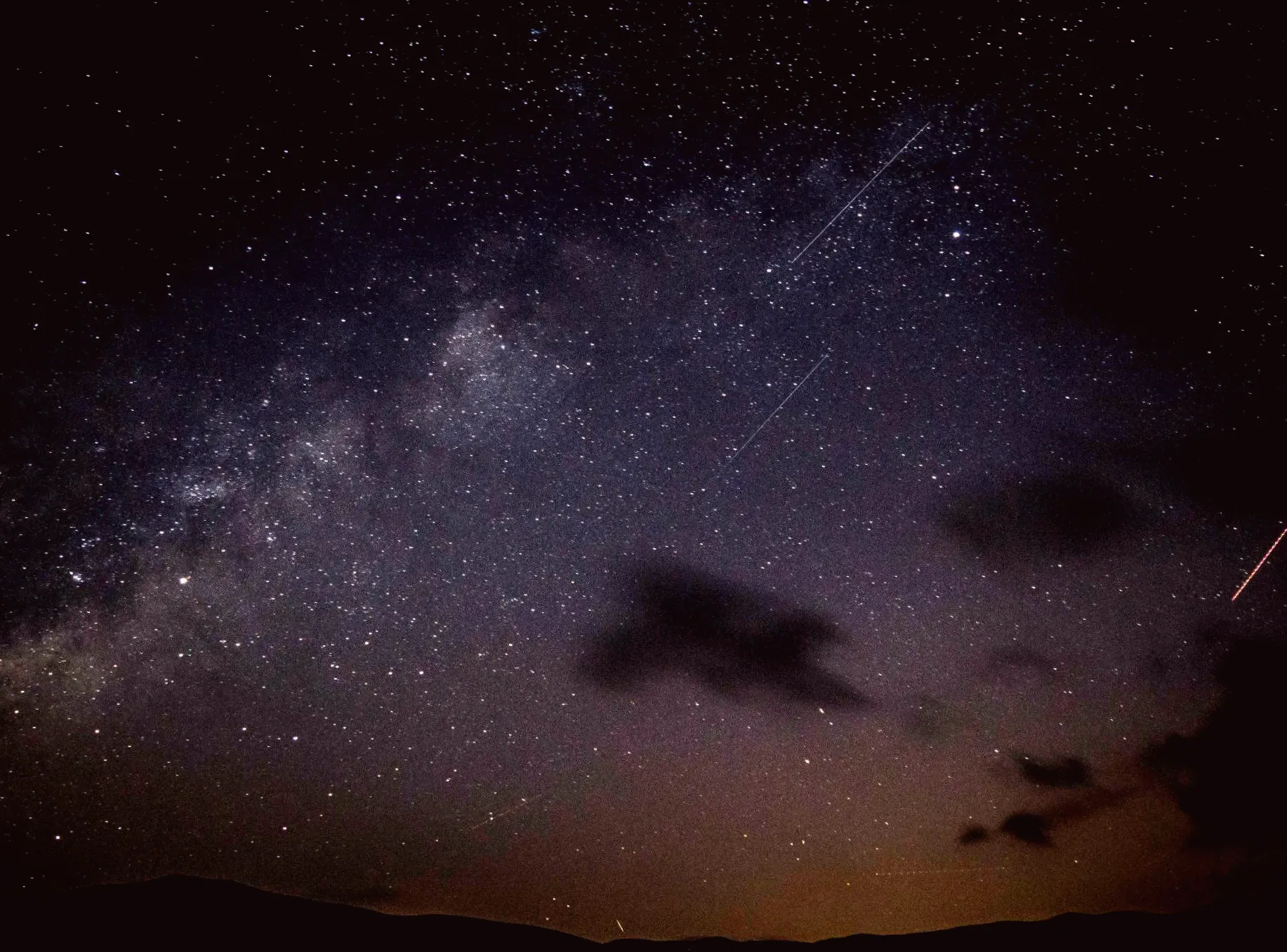
The last full moon of 2025 will appear as a supermoon and is expected to peak over Pennsylvania soon, coinciding closely with one of the years most prominent meteor showers.
This cold supermoon will reach its peak at 8:20 a.m. Eastern Standard Time on Thursday, December 4. Although a full moon generally looks full for a day before and after the peak, the ideal viewing time is at moonrise during dusk on Friday, December 5. In State College, the moon is predicted to rise at 5:11 p.m., according to Time and Date. However, stargazing may be affected by mostly cloudy skies and a low temperature around 17F, as forecasted by the National Weather Service.
The December full moon is nicknamed the cold moon due to the seasons frosty conditions. Other historical names include the drift clearing moon, frost cracking trees moon, popping trees moon, and hoar frost moon, as listed in the Old Farmers Almanac, which combines Indigenous and colonial-era North American naming traditions.
This Decembers cold moon will also be a supermoon, marking the third consecutive supermoon of 2025. During a supermoon, the moon can appear up to 14% larger and 30% brighter than when it is at its farthest distance from Earth, according to National Geographic. NASA defines a supermoon as a new or full moon occurring when the moon is within 90% of its closest approach to Earth, making it one of the largest and brightest full moons of the year, though the term is not official in astronomy.
Decembers Meteor Shower Peak
Alongside the cold supermoon, December brings the Geminid meteor shower, known as one of the strongest meteor showers annually, according to the American Meteor Society. The shower will be active from December 4 to December 17, with its peak expected overnight from Saturday, December 13, into Sunday, December 14. The Geminids are known for bright, vividly colored meteors, and this year, the moon will be only 30% full during the peak, improving visibility compared to last year.
In dark skies, observers may witness over 100 meteors per hour at the showers peak. The prime viewing window is between 10 p.m. on December 13 and 2 a.m. on December 14. For those interested in group stargazing, organizations like the Central Pennsylvania Observers host free public skywatch events. Although the last event posted this year was on October 4, future gatherings and updates can be found on their website.
Author: Gavin Porter
Share

Lindsey Graham Angry at Pope for Criticizing Trump
5 minutes ago 2 min read WORLD

Brazilian Film 'Low Light' Gains Momentum at Ventana Sur Final Copy With Three Awards, Aims for Major Festival Debut (EXCLUSIVE)
5 minutes ago 3 min read WORLD

The increase in Achilles tendon injuries explained by experts
9 minutes ago 3 min read WORLD
Father accused of injuring son as a baby now charged with murder
11 minutes ago 1 min read WORLD

Ukraine demonstrates to the UK that traditional 'tactically safe' methods for clearing trenches are ineffective in chaotic, booby-trapped environments
13 minutes ago 3 min read WORLD

Opinion - The Collapse of the Latin American Left Continues, with Maduro on the Horizon
14 minutes ago 3 min read WORLD

Iran seeks to purchase water from nearby nations
15 minutes ago 2 min read WORLD

OBE awarded to man who set up Sikh soldier memorial
22 minutes ago 2 min read WORLD

Council delays implementation of Sunday car park charges
28 minutes ago 2 min read WORLD

Trump's intended enforcement actions on Somali communities in Minnesota: What information we have
28 minutes ago 4 min read WORLD