

Chernobyl Mold Adapted to Feed on Radiation
- Last update: 1 hours ago
- 2 min read
- 274 Views
- WORLD
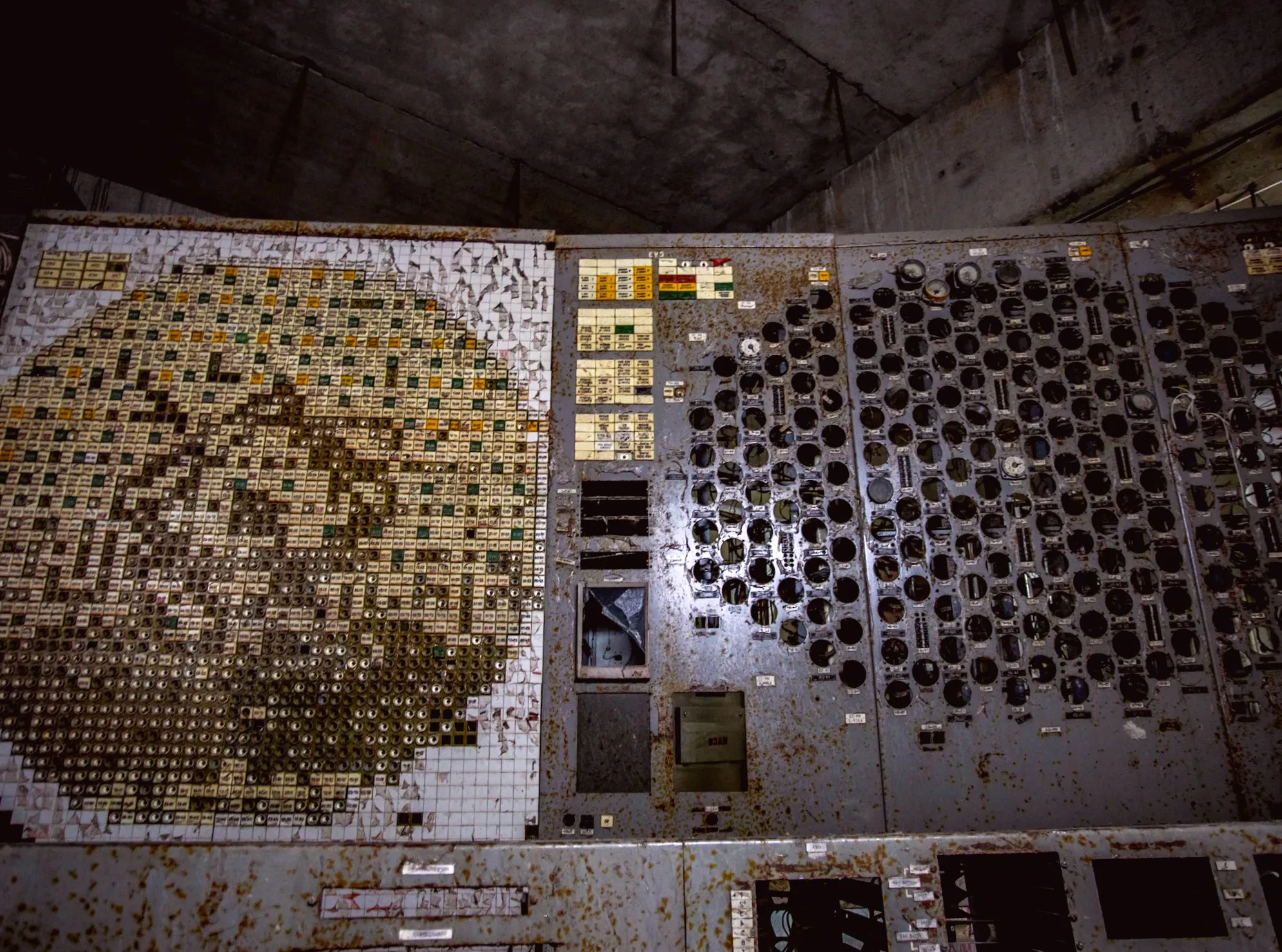
With humans mostly absent, the Chernobyl exclusion zone has seen a resurgence of wildlife. Recent studies revealed that grey wolves in the area have largely become resistant to the harmful effects of radiation. However, resistance is different from utilizing radiation as an energy sourcea feat that a particular black fungus appears to have achieved.
Since the 1990s, scientists have observed fungi thriving in highly radioactive sections of the former nuclear plant. New research indicates that these fungi have developed the remarkable ability to transform radiation into a form of usable energy.
Mold Inside Reactor Four
The catastrophic explosion of Reactor Four at the Chernobyl Nuclear Power Plant occurred in 1986. Four years later, Ukrainian scientists led by Nelli N. Zhdanova identified black mold growing within and around the devastated reactor. Across various radiation zones, they cataloged 37 different fungal species.
A study conducted in 2000 focused on molds containing melaninthe same pigment responsible for human skin coloration. One species, Cladosporium sphaerospermum, was particularly abundant in highly radioactive areas. Samples of this mold, when exposed to ionizing radiation, grew more vigorously than those kept under normal conditions.
Scientists propose that fungi like C. sphaerospermum perform "radiosynthesis," a process similar to how plants use sunlight in photosynthesis, converting radiation into energy for growth.
The Role of Melanin
The funguss extraordinary adaptation is believed to be linked to melanin. In humans, melanin protects cells from ultraviolet radiation by absorbing harmful rays. In these fungi, melanin may act similarly to chlorophyll in plants, capturing ionizing radiation and converting it into energy, though the precise mechanism is still under study.
Radiotrophic Fungi Beyond Earth
In 2022, scientists sent C. sphaerospermum to the exterior of the International Space Station. Remarkably, the mold grew better under cosmic radiation than in controlled environments. This discovery has implications for protecting astronauts from radiation, as radiotrophic fungi could potentially serve as a natural shield during space travel.
Author: Benjamin Carter
Share

72-Year-Old Woman Attacked by Geese in Local Park, Suffers Broken Pelvis and Internal Bleeding
1 minutes ago 2 min read WORLD

Lindsey Graham Angry at Pope for Criticizing Trump
8 minutes ago 2 min read WORLD

Brazilian Film 'Low Light' Gains Momentum at Ventana Sur Final Copy With Three Awards, Aims for Major Festival Debut (EXCLUSIVE)
8 minutes ago 3 min read WORLD

The increase in Achilles tendon injuries explained by experts
12 minutes ago 3 min read WORLD
Father accused of injuring son as a baby now charged with murder
14 minutes ago 1 min read WORLD
Ukraine demonstrates to the UK that traditional 'tactically safe' methods for clearing trenches are ineffective in chaotic, booby-trapped environments
16 minutes ago 3 min read WORLD

Opinion - The Collapse of the Latin American Left Continues, with Maduro on the Horizon
17 minutes ago 3 min read WORLD
Iran seeks to purchase water from nearby nations
18 minutes ago 2 min read WORLD

OBE awarded to man who set up Sikh soldier memorial
25 minutes ago 2 min read WORLD

Council delays implementation of Sunday car park charges
31 minutes ago 2 min read WORLD