

Director Gustavo Hernández Explains Success of AFM Sales with 'The Whisper,' Produced by the Team behind 'When Evil Lurks' and 'Lobo Feroz'
- Last update: 1 days ago
- 3 min read
- 335 Views
- WORLD
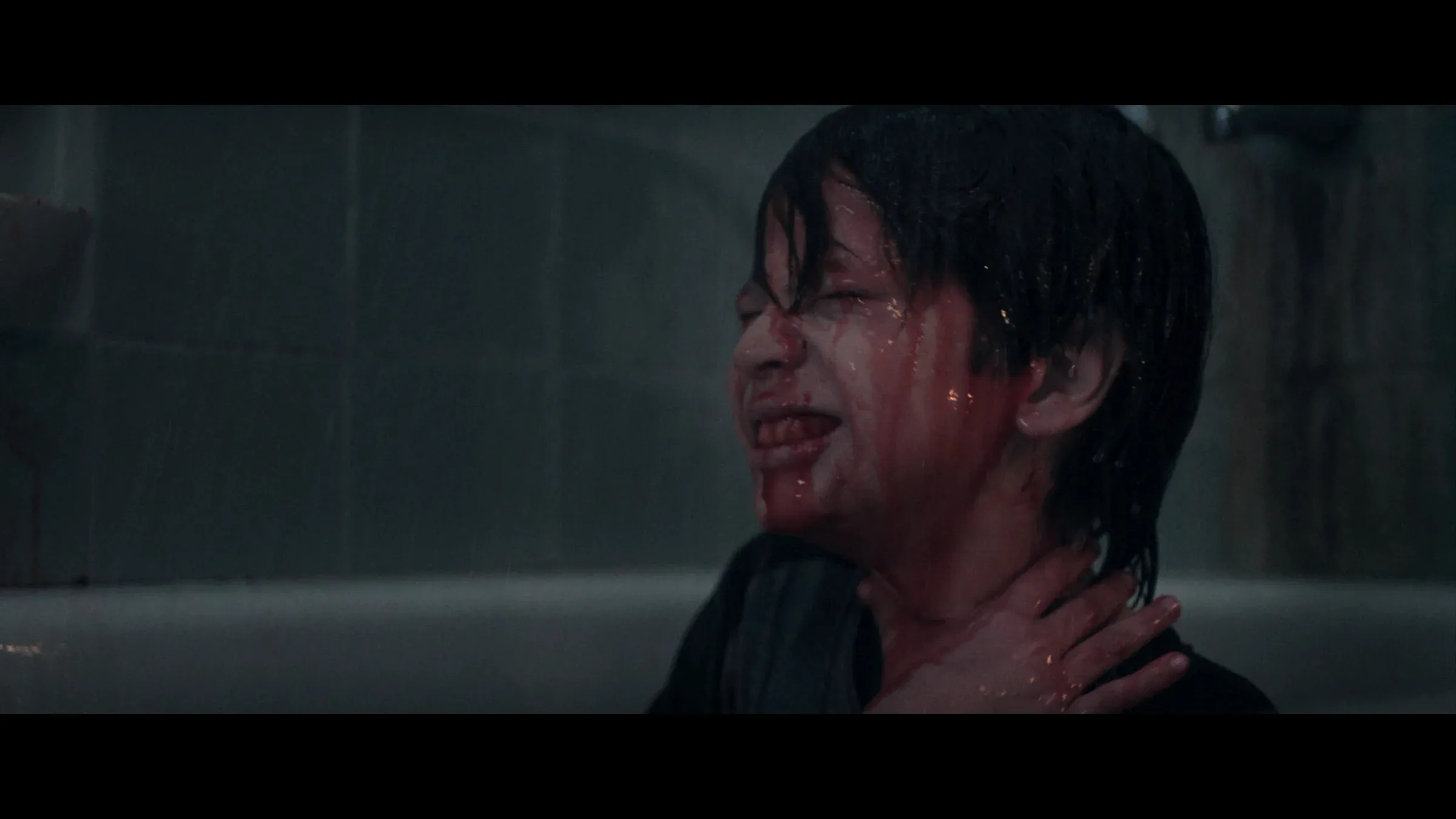
BUENOS AIRES Gustavo Hernndezs latest horror feature, The Whisper, is gaining international attention, securing sales in Germany, the U.S., South Korea, Poland, and Thailand, while distribution in Latin America will be handled by Moving Pics. The film, which won best picture, director, and actor (Marcelo Michinaux) at the Buenos Aires Rojo Sangre Festival, exemplifies how a well-crafted genre film can achieve swift and significant global sales.
The film is set to open the Sitges Buenos Aires Week on December 4 and previously earned best Latin-American picture at Mexicos Mrbido Festival, positioning it as one of Latin Americas standout horror productions of 2025.
The Whisper was co-written by Hernndez and Juma Fodde Roma and features a strong producer lineup including Ignacio Garca Cucucovich, Patricio Rabuffettis Non-Stop Studios, Fernando Dazs Machaco Films, and Roxana Ramos Aramos Cine. This team also produced the international hit When Evil Lurks, distributed worldwide by Shudder/AMC.
The story follows Luca (Ana Clara Guanco), who meticulously cleans up after her vampire fathers violent murders. She and her younger brother Adrin (Michinaux) flee to their mothers decaying mansion to seek a semblance of normal life. Yet, with local girls vanishing in the nearby forest and their father threatening Adrin, the siblings confront a dark family legacy intertwined with supernatural powers.
The film blends folk horror, supernatural fantasy, and intense family drama. Luca assumes a quasi-maternal role, protecting Adrin from both criminal elements and a cursed destiny. Antonio Saura of Latido Films praised the film, noting Hernndezs skill in expanding genre boundaries while focusing on complex family dynamics reminiscent of Let Me In.
Hernndez emphasized the sibling bond at the films core, describing Lucas struggle to shield Adrin from his inherited curse as the heart of the narrative. The carnival setting in the local village acts as a metaphor for societal masks and hidden desires, contrasting public appearance with private monstrosity.
The director also discussed his approach to blending sub-genres, from folk horror to supernatural elements, using each to enhance the emotional resonance of the story. Hernndez highlighted the importance of contrasts in light and shadow, as well as balancing on-screen and implied violence, always serving the sibling-centered narrative.
Producers highlighted the films elevated production values, achieved with international collaboration, which they believe are essential for reaching global audiences. Ignacio Cucucovich noted that prior international sales enabled them to raise production standards, ensuring the films cinematic quality matched its ambition.
Roxana Ramos described The Whisper as Rio Plate horror, reflecting the regional talent, storytelling styles, and cultural nuances of the Rio de la Plata area. The film exemplifies the evolution of Latin American horror, demonstrating that it can compete with high-budget Hollywood productions while maintaining distinct regional identity.
With its high production values, international collaborations, and compelling family-driven narrative, The Whisper represents a new benchmark for Latin American genre cinema, continuing the trajectory established by films like Terrified and When Evil Lurks.
Author: Caleb Jennings