

How Labour is using a two-tier state pension as its latest weapon against workers
- Last update: 1 hours ago
- 4 min read
- 150 Views
- WORLD
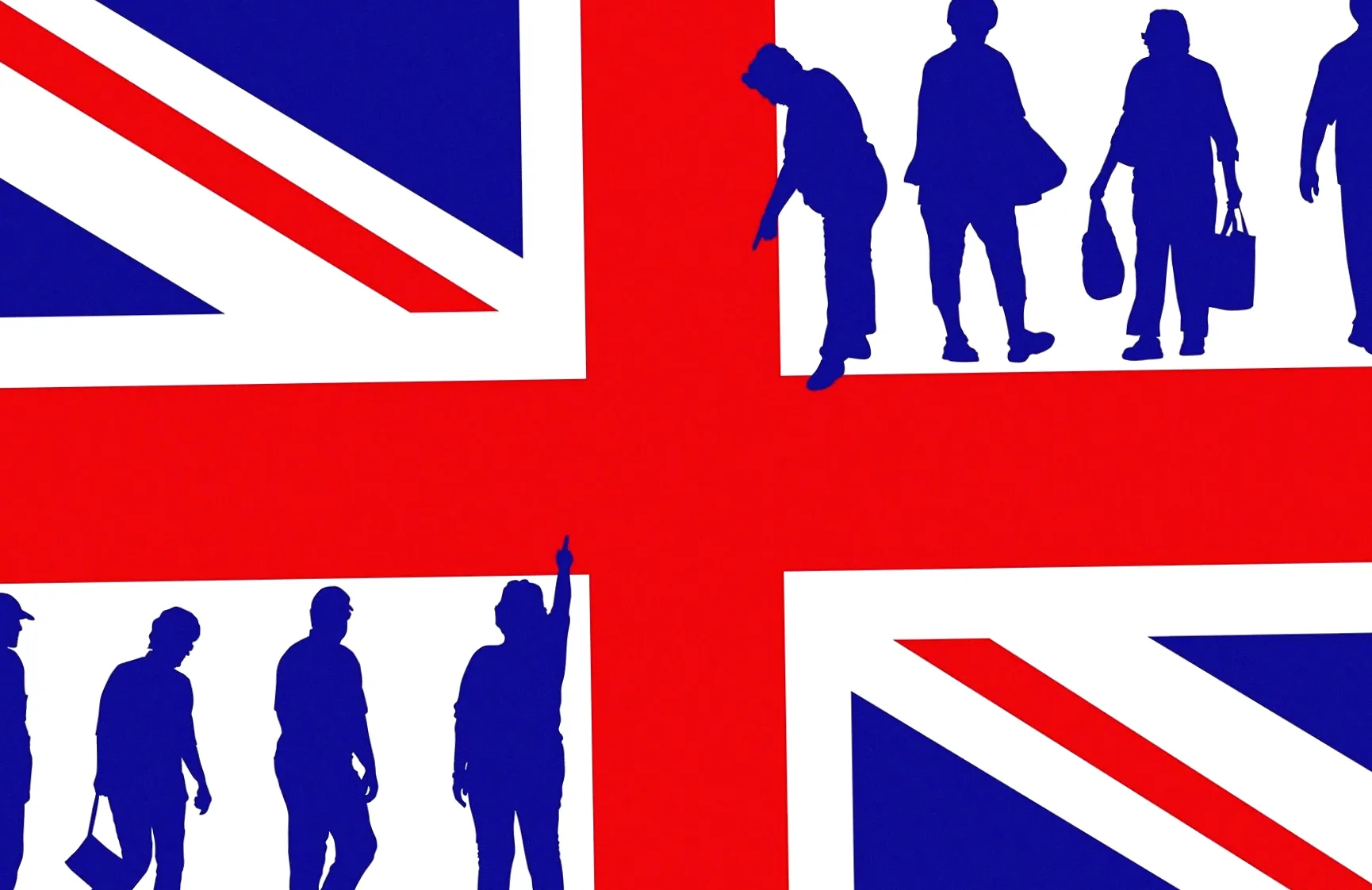
The idea of inequality in Britainwhether real or perceivedtouches many areas, from law enforcement to public versus private sector pay. Until recently, the state pension had largely avoided being part of this two-tier discussion. That is now changing.
In last months Budget, Rachel Reeves confirmed that income tax thresholds will remain frozen for another three years. This move could pull hundreds of thousands of pensioners into the income tax net starting in 2027-28, potentially affecting even those receiving the full new state pension once it surpasses the 12,570 personal allowance.
Quietly, the Chancellor also announced that individuals relying solely on either the old or new state pension would not owe income tax during this Parliament. This policy, later reiterated on ITV News, immediately drew criticism for creating a two-tier pension system, giving some retirees preferential treatment.
Conservative peer Lord Mackinlay argued that this two-tier taxation undermines the value of personal pension savings, while Helen Morrissey of Hargreaves Lansdown called it deeply unfair to those who had contributed to private pensions. The precise financial benefit for low-income pensioners is still unclear, and the Treasury has not determined how many will actually gain.
Impact on Working People and Savers
Despite pledges not to increase taxes on working individuals, the latest Budget is widely perceived to do the opposite. Many workers will face higher income taxes, while savers and landlords may see greater costs. In contrast, families with three or more children on benefits and state pensioners without private savings could see their incomes rise.
Extending the freeze on income tax thresholds until 2031 affects anyone earning above 12,570 over the next six years. Additionally, the Chancellors 4.7bn cut to salary sacrifice schemes could cost some workers over 50,000 in retirement.
By 2027, the guaranteed 2.5% annual increase under the triple lock means the state pension will become taxable for many. However, the tax-free entitlement will only apply to pensioners whose income comes exclusively from the state pension. Those with any private pension savings risk losing this exemption, potentially paying far more tax than retirees without such savings.
Creating a Tax Divide Among Pensioners
The policy effectively imposes unequal taxation on retirees receiving identical pension amounts. Lord Mackinlay noted that a fairer approach would have been a universal tax-free allowance for the basic state pension, rather than introducing a new two-tier system. This approach raises questions about the incentive to save into pensions.
Pensioners who defer their state pension to increase future payments could face significant tax bills, while those claiming the pension immediately may pay nothing, despite receiving the same entitlement. Morrissey warned this could deepen confusion and perceived unfairness in an already complex system.
The Risk of a Second Triple Lock
Experts caution that this selective tax exemption might act as a second triple lock for some pensioners. Originally intended as temporary, the triple lock guarantees pension growth based on the highest of wage growth, inflation, or 2.5%. Current spending on state pensions reaches 145.6bn annually and could surpass 200bn by 2073 if no reforms occur. Critics fear this new policy could further widen the gap between different groups of retirees.
An Enduring Division
Many pensioners, especially those over 75, have long experienced disparities. Those reaching state pension age before April 2016 receive up to 9,175 annually, about 2,000 less than those eligible for the new single-tier pension. While taxation has been a constant factor, the new exemption creates a sharp distinction between pensioners with private savings and those without.
By removing tax liability for some while keeping it for others, the Chancellor has established a potentially permanent fault line in the retirement system. Critics argue that this move appears to target individuals who have responsibly saved for their own retirements, intensifying debate over fairness in Britains pension policy.
Author: Ethan Caldwell
Share
Reeves requests Treasury investigation into Budget leaks
1 hours ago 3 min read BUSINESS

German parliament debates controversial changes to pension system
17 hours ago 3 min read WORLD

German parliament gives green light to pension package following revolt within Merz's party
19 hours ago 2 min read WORLD

German parliament gives approval to pension package following a rebellion in Merz's party
19 hours ago 2 min read WORLD
Rural Labour MPs show worry over farm tax proposals
2 days ago 3 min read WORLD

DWP leader lays groundwork for additional benefit reductions while Starmer cautioned about expenditures
3 days ago 3 min read POLITICS
'Reeves on the edge' and 'Chancer of the Treasury'
5 days ago 3 min read POLITICS

German government reaches pension compromise to end standoff
6 days ago 2 min read POLITICS