

German parliament gives green light to pension package following revolt within Merz's party
- Last update: 55 minutes ago
- 2 min read
- 551 Views
- WORLD
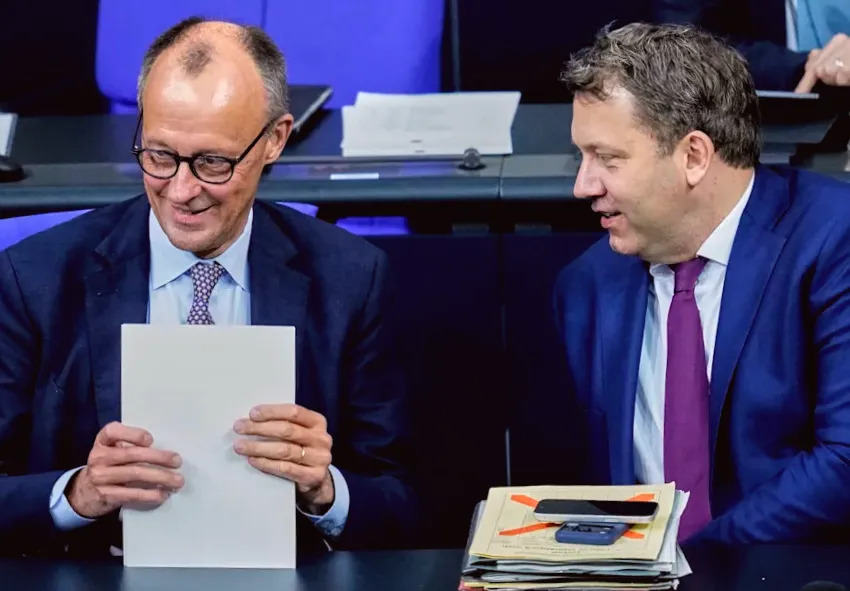
BERLIN Germanys lower house of parliament approved a pension reform package on Friday, ending a period of internal opposition within Chancellor Friedrich Merzs party. The vote concluded with 319 lawmakers in favor, 225 against, and 53 abstentions.
The legislation includes a provision keeping state pensions at 48% of average wages until 2031. After that date, pensions are set to rise slightly above the levels mandated by current law, a point that triggered resistance among younger members of Merzs center-right Union bloc. Eighteen young lawmakers expressed concern that this change could cost up to 15 billion annually, potentially burdening future generations.
Merzs coalition partners, the center-left Social Democrats, insisted that the bill be approved without alterations, a position supported by Merz. The package also incorporates measures favored by the conservative bloc, such as tax incentives aimed at making it easier for retirees to remain in the workforce.
To address concerns within the coalition, leaders emphasized that a commission will draft recommendations for more extensive pension reforms by mid-2026, reflecting Germanys efforts to manage the challenges posed by an aging population.
Merz sought to secure approval with an absolute majority of the 630-seat house, highlighting his control over the governments parliamentary base and avoiding reliance on opposition abstentions. This approach contrasts with the internal conflicts that undermined the previous government led by Olaf Scholz.
Merzs tenure has included other notable disputes, including a July clash over a center-left judicial nominee and the need for two voting rounds to secure his own election as chancellor in May. He has acknowledged that his coalition has engaged in excessive public debate, while facing the dual challenges of stimulating economic growth and managing migration. Public support for his government remains modest, with the far-right Alternative for Germany gaining traction since Februarys elections.
Author: Zoe Harrison
Share

Germany's Merz in danger before pensions vote
1 hours ago 1 min read WORLD

German lawmakers approve conscription as Europe aims to counter Russia
2 hours ago 1 min read WORLD

German lawmakers approve plan to increase military recruitment without resorting to conscription
3 hours ago 1 min read WORLD

German parliament makes decision on controversial pension changes
7 hours ago 2 min read WORLD

German state leaders implement a 200-point plan to reduce bureaucratic obstacles
23 hours ago 1 min read POLITICS

Germany's federal and state governments discussing financing proposals
1 days ago 1 min read POLITICS

German parliament to decide on controversial pension legislation on Friday
2 days ago 2 min read WORLD

German government reaches pension compromise to end standoff
5 days ago 2 min read POLITICS