

Netanyahu's plea for pardon viewed as attempt to secure political future before 2026 election
- Last update: 1 days ago
- 3 min read
- 165 Views
- WORLD

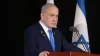
Benjamin Netanyahu's appeal for a pardon in three active corruption cases is widely interpreted as a maneuver to safeguard his political future, with the veteran premier preparing for potentially tight elections in 2026. Netanyahu, Israel's first sitting prime minister to face trial, has contended with these allegations for years, attending weekly court sessions while denying any wrongdoing and labeling the cases as politically motivated.
On Sunday, Netanyahu submitted his plea to President Isaac Herzog, who now faces the decision of whether to grant the rare pre-conviction pardon. "This request is not about the law; it is a political tactic," wrote columnist Nahum Barnea in Yediot Aharonot. The submission could trigger negotiations led by Herzog, possibly resulting in a plea deal, a pardon, or a combination of both. Barnea added that a full pardon could free Netanyahu from the trials and bolster his electoral prospects, while a failed negotiation might still benefit him politically by portraying him as a victim.
At 76, Netanyahu is Israel's longest-serving prime minister, with over 18 years in office across three separate terms since 1996. The next general election is due by November 2026, but could occur earlier depending on Netanyahu's political calculations or the fragility of his parliamentary majority. Polls suggest that his Likud party would perform well, though a recent survey indicated his bloc might win only 52 seats compared to 58 for the opposition, excluding Arab parties unlikely to join a coalition.
Netanyahu also faces widespread domestic criticism. Nearly two-thirds of Israelis want him to take responsibility for security lapses that allowed Hamas's October 7, 2023 attack. Public opinion is divided on the pardon, with 3538% supporting it and 4048% opposed, according to recent polls. Legal expert Dorit Koskas noted that Netanyahu is leveraging the pardon as a political instrument to avoid accountability and secure his next term.
Political commentators suggest that Netanyahu might link the pardon to halting the contentious judicial reforms proposed by his government in 2023, reforms that sparked nationwide protests. Despite opposition, Netanyahu retains influential support, including from US President Donald Trump, who requested Herzog to consider clemency for the Israeli leader. In his letter accompanying the request, Netanyahu argued that ending his trials would help heal national divisions.
Herzog has emphasized that his decision will prioritize Israel's "best interests." Analyst Myriam Shermer argued that a pardon could reduce political polarization only if it enables the formation of a broad centrist coalition, requiring Netanyahu to work with parties beyond his current far-right and ultra-Orthodox allies. She also highlighted the need for an independent review of the October 7 security failures, which Netanyahu currently resists. Shermer suggested that suspending the judicial reform could be part of a deal allowing Netanyahu a final term, potentially capped by diplomatic achievements, including his ambitions for normalization with Saudi Arabia.
Author: Connor Blake
Share
Israel's significant political corruption scandals beyond Netanyahu
3 days ago 3 min read POLITICS
Netanyahu requests pardon for corruption charges
3 days ago 1 min read POLITICS
The cost of pardoning Netanyahu
3 days ago 3 min read POLITICS
Is Netanyahu seeking pardon and can it be granted?
4 days ago 3 min read POLITICS
Ex-justice minister Ramon states Netanyahu has 'zero possibility' of getting pardon
4 days ago 2 min read POLITICS

Lawyer criticizes Netanyahu's plea for pardon as 'questionable,' not for 'legal reasons'
4 days ago 2 min read POLITICS
Netanyahu trial: Interrogation in Case 4000 continues despite unexpected request for pardon
4 days ago 2 min read POLITICS
Scholars warn that Netanyahu's request for a pardon is a direct attempt to bypass courts
4 days ago 4 min read POLITICS
Understanding Netanyahu's appeal for pardon in corruption trial
4 days ago 3 min read POLITICS
Israeli Prime Minister Netanyahu seeks forgiveness in ongoing corruption trial
4 days ago 3 min read POLITICS