

Patients endured a 19-hour wait in the emergency department
- Last update: 2 days ago
- 2 min read
- 566 Views
- WORLD
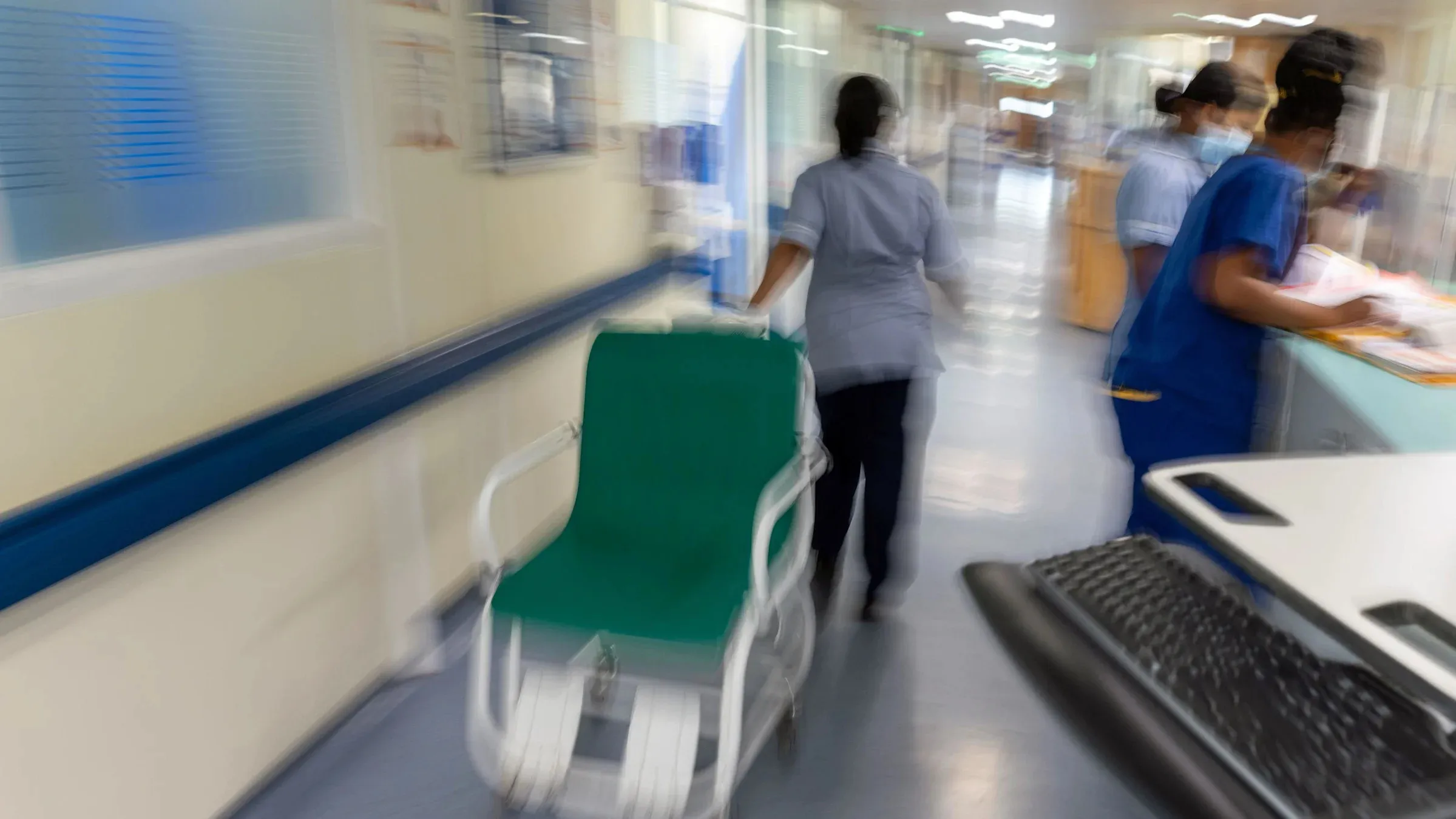
On Wednesday morning, individuals seeking care at the Emergency Department (ED) of Craigavon Area Hospital experienced average delays approaching 19 hours. Data published by NI Direct at 09:00 GMT revealed that Royal Victoria and Ulster hospitals also faced significant waiting times, averaging around nine hours.
These delays followed reports from Tuesday when over 40 ambulances were held outside hospitals, with the longest waiting period exceeding 13 hours. In October, authorities announced a plan aiming to cut maximum ambulance handover times from four hours to two by December 1, as part of broader measures to address winter healthcare pressures.
The Northern Ireland Ambulance Service (NIAS) reported that on Tuesday there were 100 calls awaiting ambulance response. By 10:00 GMT on Wednesday, 64 calls were pending, with 15 ambulances stationed at EDs. NIAS described the delays as stemming from "challenges across the entire Health and Social Care system and the effects of trade union action short of strike."
A NIAS spokesperson acknowledged the strain on patients and families caused by these delays and stated that the service "regrets the lengthy waits experienced by some." The spokesperson emphasized that significant efforts have been made in recent months to reduce handover delays, including enhanced escalation protocols, daily coordination between NIAS and hospital trusts, and targeted measures within EDs to improve patient flow and ambulance release.
While these initiatives have contributed to some stabilization, the system continues to face extremely high demand. NIAS also operates a team of paramedics at its Emergency Operations Centre who triage calls to determine which cases may be managed without an ED visit.
Patients and caregivers are advised not to call back on the 999 system for updates on ambulance arrivals, as this can further strain control staff. However, if a patients condition worsens after the initial call, calling 999 immediately remains essential.
Author: Jackson Miller
Share
Hundreds of new subscribers join ambulance subscription service
2 days ago 1 min read BUSINESS

Patients endured a 19-hour wait in the emergency department
2 days ago 2 min read WORLD

Ambulance service hiring temporary staff in the UK
3 days ago 1 min read HEALTH

Severe collision involving two vehicles near Enniskillen
5 days ago 1 min read HEALTH