

Study suggests volcanic eruption may have triggered the arrival of the plague in Europe
- Last update: 1 hours ago
- 3 min read
- 905 Views
- WORLD
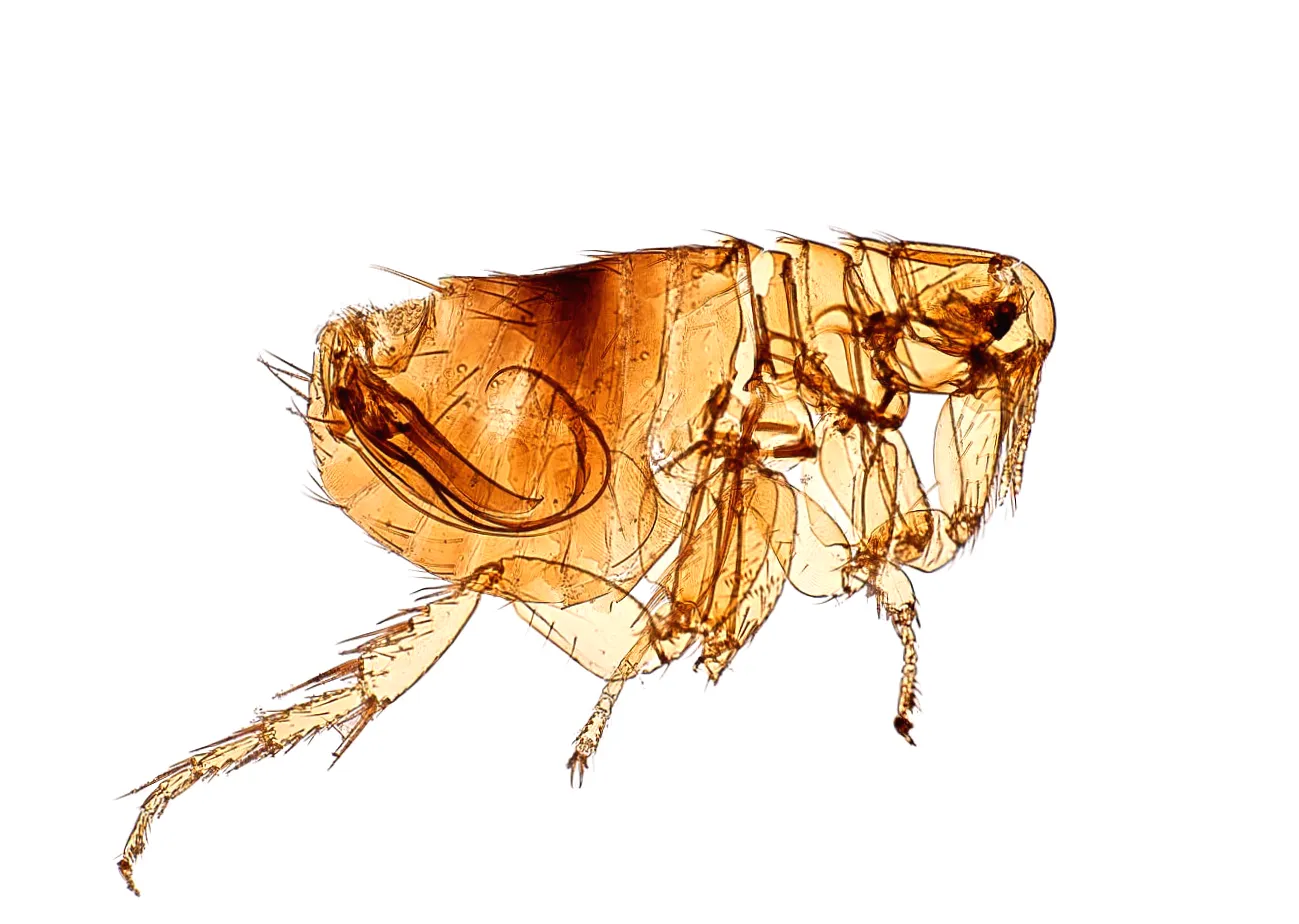
When the Black Death reached Europe in 1347, it decimated more than half of the continents population, disrupting societies and halting wars. Recent findings suggest that volcanic eruptions, previously unknown to Europeans, may have played a crucial role in facilitating the pandemics arrival.
The research, published in Communications Earth & Environment, proposes that these eruptions caused a chain of events allowing plague-carrying fleas to thrive in Europe. The cooling effect from the volcanic activity led to significant climate shifts, affecting harvests and causing widespread food shortages.
In response to crop failures, wealthy Italian city-states such as Florence and Venice imported grain from distant regions. These shipments likely carried infected fleas, inadvertently introducing the plague. While city leaders managed to prevent starvation by feeding both residents and incoming famine refugees, they unknowingly helped usher in a deadly pandemic. Martin Bauch, a historian involved in the study, noted that officials had no awareness of the hidden danger.
This study illustrates how abrupt climate changes can drastically impact human societies and animal ecosystems, producing long-term consequences. Previous investigations into the plagues origins had speculated on climate effects but lacked detailed mechanisms. Henry Fell, a postdoctoral researcher in England, praised the new study for specifying how climate-driven grain trade could have accelerated plague transmission.
Volcanic eruptions can lower global temperatures by releasing sulfur compounds into the stratosphere, reducing sunlight reaching Earths surface. This cooling effect can persist for several years after major eruptions. To examine 14th-century volcanic events, researchers analyzed tree rings, ice core chemistry, and historical records. All evidence pointed to a cooling period and widespread famine in the Mediterranean from 1345 to 1347, coinciding with the plagues outbreak.
Ice core analysis revealed that 1345 had one of the highest sulfur levels in the last two millennia, exceeding even the 1991 Mount Pinatubo eruption. Tree rings from this period showed blue rings, indicators of environmental stress, while historical accounts reported reduced sunshine and cloudier skies across Europe and parts of Asia. The researchers concluded that the eruption likely occurred in the tropics, as ice cores from both poles contained similar sulfate levels.
Historical documents confirm crop failures and soaring wheat prices, with famine affecting regions in Spain, southern France, Italy, Egypt, and the eastern Mediterranean. Italian city-states, with their well-established grain storage and trade networks, turned to the Black Sea for imports. This action, although crucial for survival, inadvertently allowed the plague to enter Europe.
The study suggests that while the plague may eventually have reached Europe, volcanic-induced climate changes likely accelerated its spread. Between 1347 and 1353, up to 60% of some populations perished, marking one of historys deadliest periods. Previous research has traced plague origins through written records, archaeological findings, and genetic studies, including evidence from Kyrgyzstan where early plague victims were buried in 13381339. Related bacteria strains in local marmots suggest the pathogen may have originated in Central Asia before reaching Europe.
Overall, the study provides compelling evidence linking volcanic activity to the onset of the Black Death in Europe, offering insight into how environmental factors can influence the course of human history for centuries.
Author: Connor Blake
Share

Britain imposes sanctions on Russia following investigation blaming Putin for fatal 2018 poison attack
4 minutes ago 3 min read WORLD
Elderly person passes away due to hospital's inadequate care.
5 minutes ago 2 min read WORLD

Thailand Cracks Down on $8.6M Bitcoin Mining Operations Financing 'Chinese Scam Networks'
9 minutes ago 3 min read WORLD

Researcher from Ohio collaborates on new study about pterosaurs
12 minutes ago 5 min read WORLD

Survivors of boat collision did not call for help, Bradley informs lawmakers: Report
15 minutes ago 3 min read WORLD

Sub-zero temperatures grip central and northeastern US in Arctic blast
17 minutes ago 2 min read WORLD

Arson group crashes Range Rover into rival's house
20 minutes ago 4 min read WORLD
Man arrested for terrorism charges following synagogue assault
21 minutes ago 1 min read WORLD

Somalis face constant fear and danger as unsettling reality looms over their daily lives
25 minutes ago 5 min read WORLD

Will Israel be able to avoid the next war with Hezbollah through new diplomatic efforts with Lebanon?
26 minutes ago 3 min read WORLD