

The International Space Station is Overrun by a Record Number of Spacecraft
- Last update: 1 hours ago
- 2 min read
- 665 Views
- WORLD
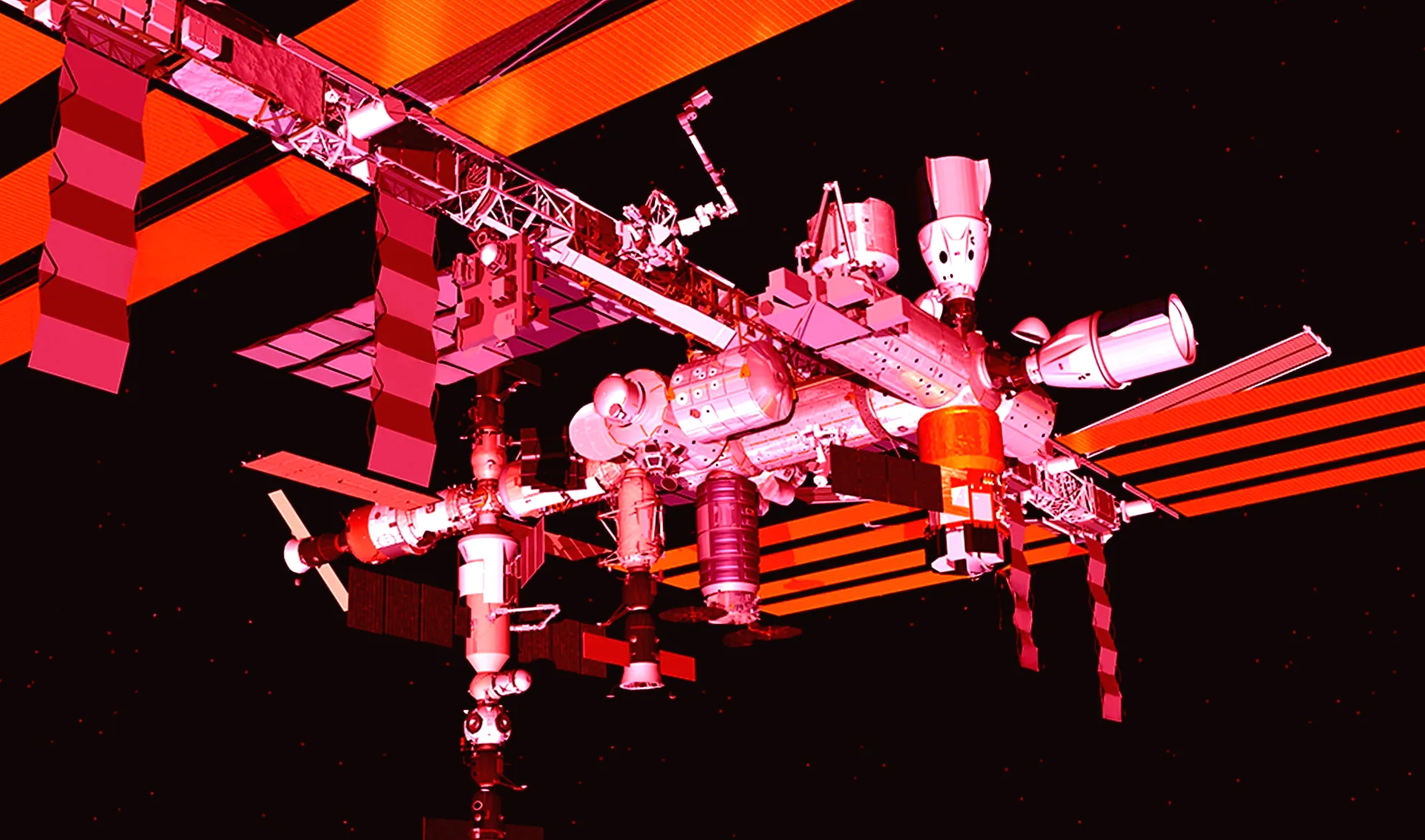
The International Space Station (ISS) is set to be retired in just four years. However, the term "retired" might not entirely capture the gravity of the situation. The station will be deorbited with the assistance of a specially modified SpaceX spacecraft, ultimately falling into the Pacific Ocean, after many years of pioneering space research. Despite this, the ISS is still highly active at the moment, hosting a historic number of spacecraft.
For the first time in history, all eight docking ports on the ISS are occupied, with a total of eight spacecraft now attached to the station. According to a recent update from NASA, the current occupants include two SpaceX Dragon spacecraft (one carrying crew and the other cargo), Northrop Grummans Cygnus XL cargo spacecraft, Japan's HTV-X1 cargo spacecraft (which completed its maiden journey to the ISS on October 26), and two crewed Soyuz spacecraft, along with two Progress cargo ships from Roscosmos.
The Cygnus XL spacecraft was detached by the stations Canadarm2 last week to accommodate the Soyuz MS-28 mission, which delivered two cosmonauts and a NASA astronaut to the ISS on November 27. The station reached this milestone after the cargo spacecraft was reattached. With five cargo ships and three crew vehicles now docked, the ISS is home to ten astronauts and cosmonauts at this moment.
The highest number of crew members aboard the ISS at once was 13, a record set in July 2009 when the Space Shuttle Endeavor arrived, bringing six astronauts in one mission. However, in the near future, the station will free up one of its docking ports. The Soyuz MS-27 mission is scheduled to return to Earth on December 8, carrying NASA astronaut Jonny Kim, along with Roscosmos cosmonauts Sergey Ryzhikov and Alexey Zubritsky.
Next year, NASA and SpaceX's Crew-11 mission will also bring back a team of three astronauts and one cosmonaut aboard the Crew Dragon spacecraft. The impressive coordination required to maintain such a crowded station is a testament to the logistical complexity of space operations, and it undoubtedly keeps Mission Control in Houston on high alert.
This busy period for the ISS is also a symbolic moment for the aging station. Scheduled for deorbiting in 2030, the ISS will conclude over 30 years of international cooperation in Earth's orbit. While several private space stations are currently under development, the timeline for their launch and ability to host multiple spacecraft at once remains uncertain.
Author: Benjamin Carter
Share

Yemen's Houthi rebels release mariners held since July attack on ship Eternity C in the Red Sea to Oman
9 minutes ago 1 min read WORLD

Venezuela's Machado to be awarded peace prize by Nobel Institute in Oslo
10 minutes ago 2 min read WORLD

Lebanese army detains six individuals following armed assault on UN peacekeepers in the south
10 minutes ago 2 min read WORLD

Police are investigating a death with no clear explanation
11 minutes ago 1 min read WORLD
Experts warn about alarming spread of genetically diverse West Nile virus
11 minutes ago 2 min read WORLD
87-year-old woman dies and three others seriously injured in crash
12 minutes ago 1 min read WORLD

No peace agreement reached after lengthy five-hour meeting between Putin, Witkoff, and Kushner in Ukraine
14 minutes ago 2 min read WORLD

Young people are not defined by stereotypes.
15 minutes ago 2 min read WORLD

The Danger Ranking of 12 Crocodile Species
18 minutes ago 5 min read WORLD

Deadly Asian Floods Are Not a Coincidence; They're Becoming the Norm
19 minutes ago 3 min read WORLD