

This is the location where paleontologists discovered thousands of dinosaur tracks
- Last update: 1 hours ago
- 2 min read
- 179 Views
- WORLD
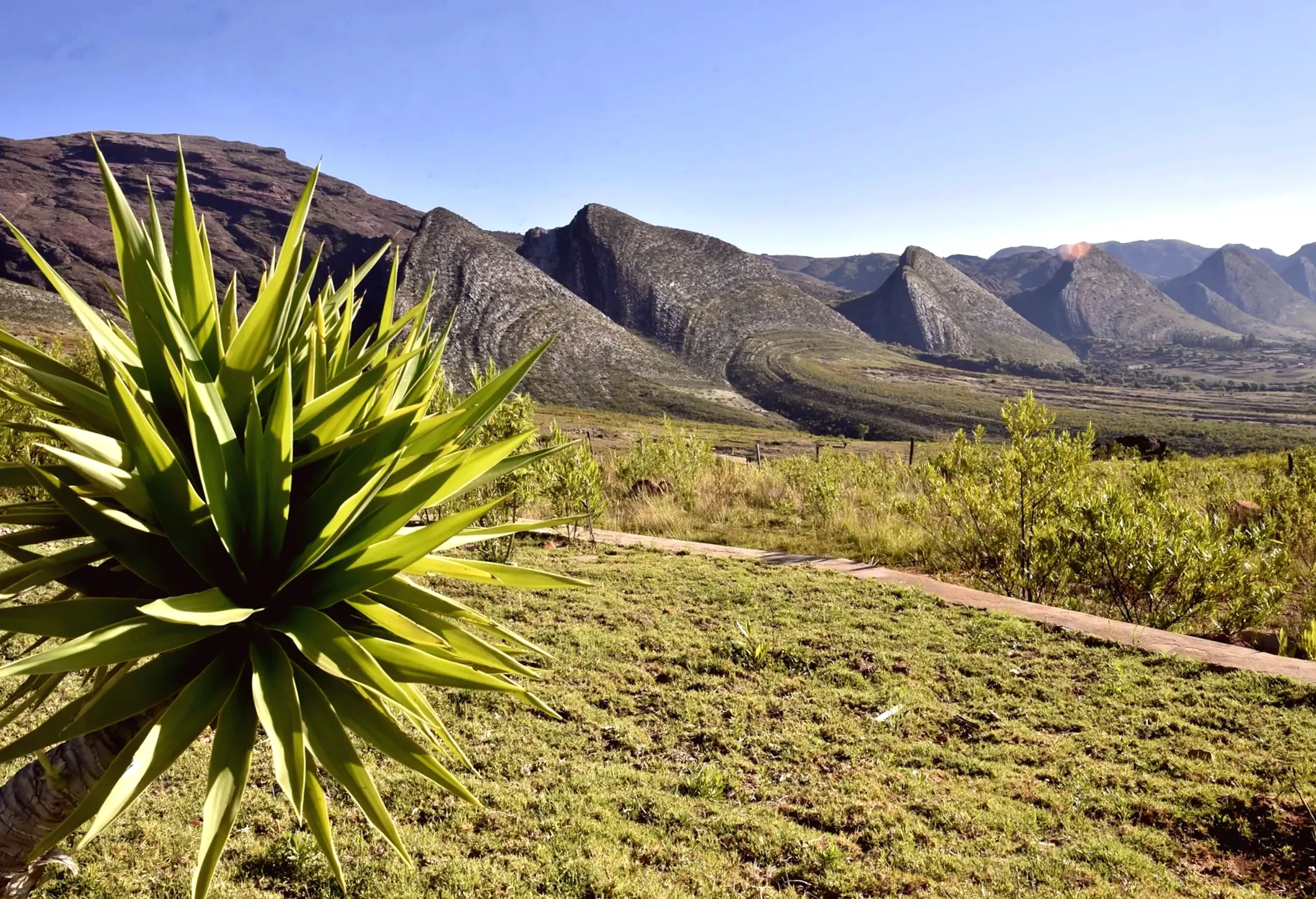
Scientists studying fossils in South America have uncovered an extensive collection of dinosaur footprints, shedding light on how various species moved along a prehistoric shoreline. Researchers documented almost 18,000 marks at the Carreras Pampa site in Torotoro National Park, central Bolivia. This includes 16,600 footprints, 1,378 swim traces, and several tail impressions, according to a study published in PLOS One.
The ripple patterns of the tracks run northwest to southeast, suggesting the typical movement of dinosaurs and other creatures along the ancient coast. Most prints belong to theropods, a group of bipedal dinosaurs from the Cretaceous period, which includes species such as Tyrannosaurus rex. Some tracks, dating from approximately 145 to 66 million years ago, are believed to have been left by early birds.
Spanning roughly 80,570 square feet, Carreras Pampa contains the world's most extensive and well-preserved collection of dinosaur swim trackways. The site also preserves continuous sequences showing dinosaurs walking, running, swimming, turning sharply, and dragging their tails. Swim tracks likely formed when theropods touched the waterbed with their central toes, creating grooves that appear straight or curved like commas.
Researchers analyzed over 1,275 trackways, noting that unlike most swim-track sites that contain isolated footprints, Carreras Pampa shows alternating left and right foot patterns. The diversity of shapes and sizes indicates multiple species used the ancient coastline as a travel route. Some tracks measured under 4 inches, probably made by smaller theropods or juvenile dinosaurs, while mid-sized species such as Dilophosaurus or Allosaurus left footprints over 12 inches. Larger theropods, including T. rex and Giganotosaurus, created tracks exceeding 16 inches.
Depth variations among the footprints allowed scientists to estimate the size, speed, and gait of the track-makers. Although paleontologists knew of abundant dinosaur footprints in the region, this is the first comprehensive study of Carreras Pampa. Researchers cleared sediment and debris from the site to reveal more tracks and analyze them thoroughly.
Bolivia also hosts the Cal Orck'o track site, located about 250 miles southeast of Carreras Pampa. Together, these sites provide some of the most complete and varied records of dinosaur movements from the Triassic, Jurassic, and Cretaceous periods in the world.
Author: Jackson Miller
Share

Confirmation: Nanotyrannus was a separate species, not a young T. rex
8 hours ago 3 min read WORLD
Researchers record more than 16,000 footprints in the largest dinosaur tracksite in the world
14 hours ago 3 min read WORLD

A remarkable dinosaur discovery found at Winona State, which trod the Earth 66 million years ago
15 hours ago 3 min read WORLD

Living Large: Massive Anacondas Exploded 12 Million Years Ago
1 days ago 2 min read WORLD

Understanding the timeline of dinosaur extinction: New Mexico's contribution
1 days ago 3 min read ENTERTAINMENT

Witness the Largest Dinosaur Parade
2 days ago 2 min read ENTERTAINMENT

A Team of Climbers Discovers Signs of a Mass Panic Attack While Scaling a Cliff
3 days ago 3 min read WORLD
Study shows Amazon's massive anacondas were at their largest size 12 million years ago
3 days ago 3 min read SCIENCE

15 Intriguing Prehistoric Finds Uncovered in Contemporary Era
4 days ago 4 min read SCIENCE

150 Million-Year-Old Giant Dinosaur Footprints Found in Colorado
4 days ago 3 min read SCIENCE