

Cashmere farms achieve high compliance rates with increasing volumes of GCS-labelled garments
- Last update: 1 days ago
- 2 min read
- 980 Views
- BUSINESS
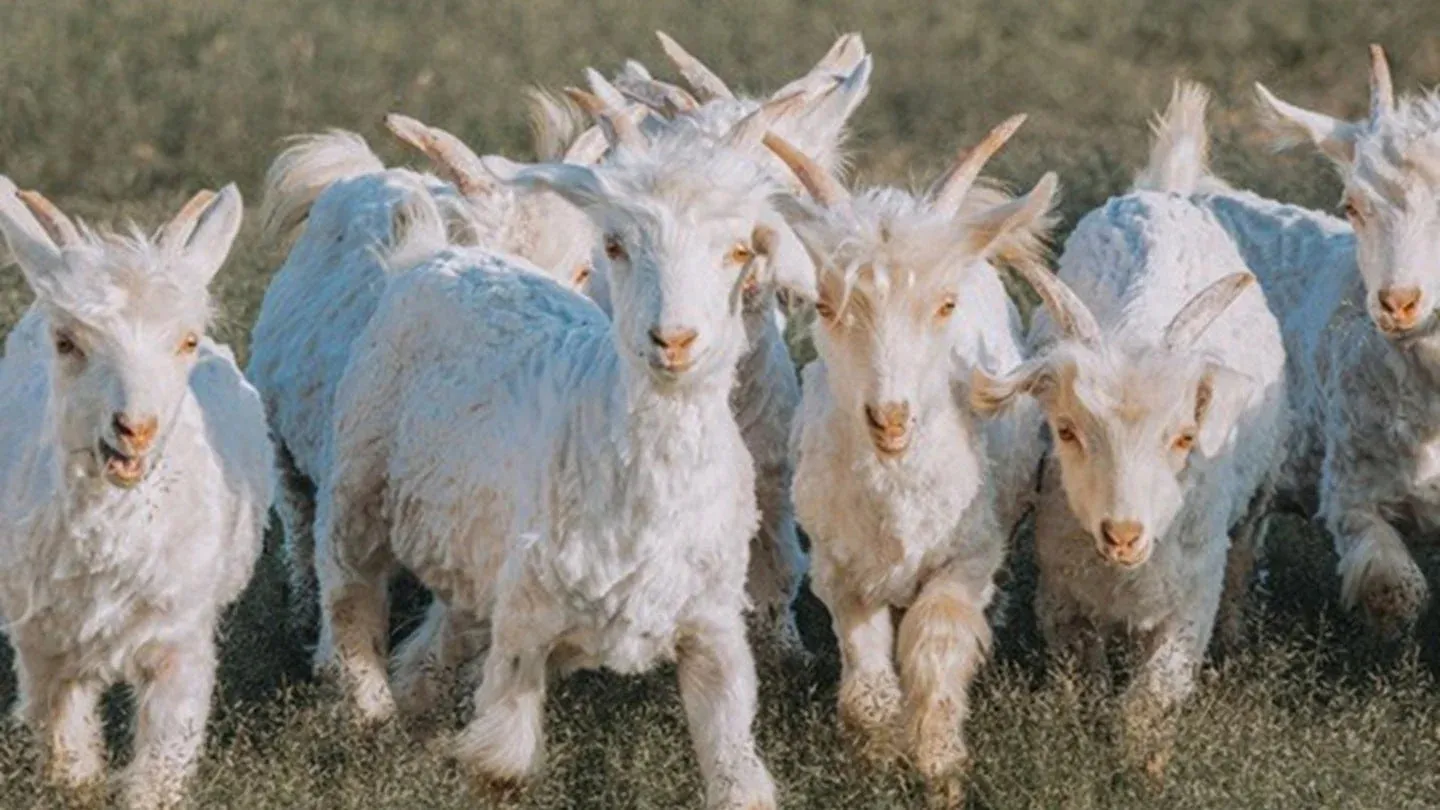
The Good Cashmere Standard (GCS), created by the Aid by Trade Foundation (AbTF), evaluates farms and production sites using 150 detailed indicators. Accredited auditors routinely inspect all participating locations, and only those that meet the requirements may market their fibre with the GCS label for the current season.
In the latest assessment cycle, nearly 3,700 cashmere farms and 12 processing companies underwent verification. Between 2023 and 2024, the share of textiles containing GCS-certified cashmere rose by 30%, with six million labelled garments reaching the market. Long-standing partners such as H&M, J.Crew, and The White Company continued their involvement, while Mango, Magasin, Marimekko, and Nordstrom joined the programme.
Audit results revealed complete adherence to all core indicators. Compliance levels for main and basic indicators exceeded 90%, with full conformity achieved in areas including working hours, grievance procedures, and occupational health and safety. According to AbTFs verification manager Gudrun Kersten, the outcome highlights the value of close cooperation in helping partners integrate the GCS requirements into both goat care and fibre processing.
The GCS framework is built on four pillars: animal welfare, environmental protection, fair working conditions, and essential management practices. This year, around 30% of farms did not pass verification. Among those that met the standard, social and environmental criteria were fulfilled entirely. Compliance related to animal welfare and management reached 92%, supported by improvements such as full adherence to feeding regulationsan increase of 15% over the previous cycle. Environmental audits also showed that 88% of approved farms had adopted rotational grazing to help prevent soil erosion.
Auditors noted that record-keeping procedures and provisions for goats requiring additional indoor space remain areas for improvement. Cashmere, a luxury fibre harvested from goats originally found in the Himalayan region of Kashmir, is produced in various parts of the world. The GCS currently focuses its certification efforts on farms in Inner Mongolia, China, where its third model farm was opened in February to further encourage sustainable practices across the industry.
```htmlAuthor: Maya Henderson
Share

Opinion: Can Generation Z Rescue Journalism? Only with a Renewed Sense of Trust
51 seconds ago 4 min read BUSINESS

Zillow is Indifferent to Climate Change Threatening Your New Home
1 minutes ago 5 min read BUSINESS

The Cleanliness of Air in Hospitals and Airplanes May Surprise You
4 minutes ago 2 min read BUSINESS

Meta signs multiple agreements with news publishers for AI technology, according to Axios
8 minutes ago 1 min read BUSINESS

The Cyberselfish Revival Demonstrates Ongoing Misunderstanding of Libertarianism
10 minutes ago 3 min read BUSINESS

Apple notifies users in 84 countries about new cyber threats
11 minutes ago 1 min read BUSINESS

EU launches antitrust probe into Meta's use of AI
12 minutes ago 1 min read BUSINESS

More than Twelve Companies Have Been Asked for Documents in Investigations Into Italy's Supply Chain
15 minutes ago 2 min read BUSINESS

This Virginia County Demonstrates How Data Centers Can Support Housing for First-Time Homebuyers
15 minutes ago 3 min read BUSINESS

Kim Kardashian Opens Up About Her Billion Dollar Empire to the World
16 minutes ago 3 min read BUSINESS