

FAA begins investigation into US airlines for reducing flights during shutdown
- Last update: 1 hours ago
- 2 min read
- 465 Views
- BUSINESS
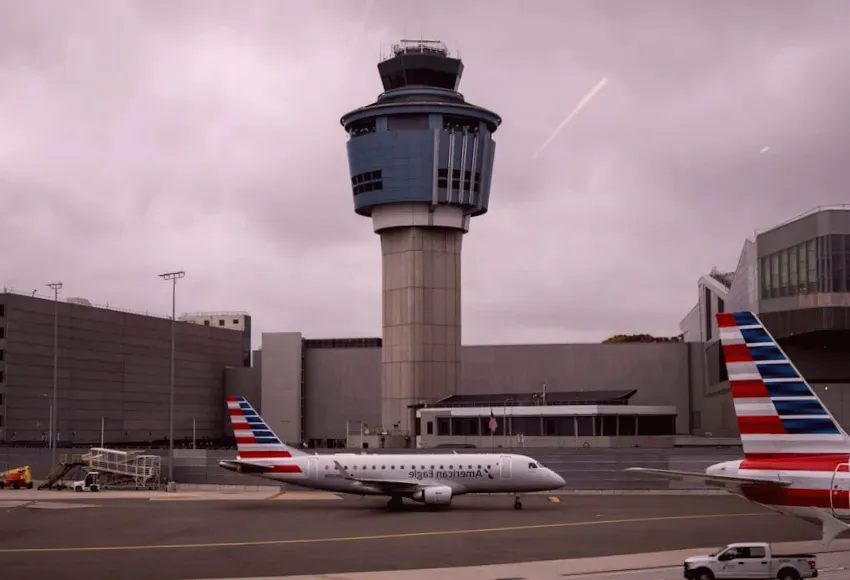
The Federal Aviation Administration (FAA) has launched an investigation into U.S. airlines to determine whether they adhered to an emergency directive that mandated flight reductions at 40 major airports during the prolonged government shutdown, which began on October 1st. The FAA issued notices to the airlines on Monday, warning that they may face penalties of up to $75,000 for each flight that exceeded the mandated cuts, which ranged between 3%, 4%, and 6%. Airlines have been given a 30-day period to submit documentation proving their compliance with the order.
The 43-day shutdown, which lasted until November 12th, caused significant disruptions, with long delays and many air traffic controllers absent from work due to stress and the need to seek additional income sources. The FAA stated that imposing a reduction in domestic flights across all commercial carriers was an unprecedented move, but it was essential to maintain safe air travel until staffing levels at control towers and facilities could be restored.
Following the end of the shutdown, airlines initially expected the FAA to relax or remove the flight restrictions. However, when the FAA maintained the 6% reduction on November 14th, only 2% of scheduled U.S. departures were canceled that day, according to aviation data provider Cirium. From November 7th to November 16th, over 10,000 flights were canceled, and it wasn't until November 16th that the FAA announced it would lift all flight restrictions.
Delta Air Lines reported a loss of $200 million, marking the first major airline to disclose the financial impact of the shutdown. Transportation Secretary Sean Duffy has not revealed the specific safety data that led to the decision to impose the flight cuts. However, he mentioned reports of aircraft coming too close in the air, increased runway incursions, and concerns from pilots regarding air traffic controllers ability to manage traffic effectively.
Major airports in New York, Chicago, Los Angeles, and Atlanta were among the hardest hit by the cancellations. The FAA's initial reduction target had been set at 10%, but it was later adjusted to a lower percentage.
Author: Logan Reeves
Share
FAA begins investigation into US airlines for reducing flights during shutdown
1 hours ago 2 min read BUSINESS
FAA investigates US airlines for reducing flights during shutdown
1 hours ago 2 min read BUSINESS

2025 layoffs surpass 2020 levels: Research
5 hours ago 2 min read BUSINESS

Job market weakening as layoffs exceed one million this year
6 hours ago 2 min read BUSINESS

Unions call on US judge to halt 1,300 State Department layoffs
7 hours ago 2 min read POLITICS
India’s largest airline cancels numerous flights, causing chaos for holiday travelers
7 hours ago 1 min read TRAVEL
Delta resumes Detroit flights after a short pause
10 hours ago 1 min read US
Edinburgh Airport resumes operations following air traffic disruption that caused flight delays
10 hours ago 2 min read TRAVEL
Airlines could be fined heavily as FAA looks into missed flight reductions.
11 hours ago 2 min read US

US job cuts decrease by 54% in November, but workers still concerned about 'permanent layoffs'
13 hours ago 3 min read BUSINESS