

How dollar stores exploit financially struggling customers by falsely advertising low prices
- Last update: 3 days ago
- 4 min read
- 908 Views
- BUSINESS
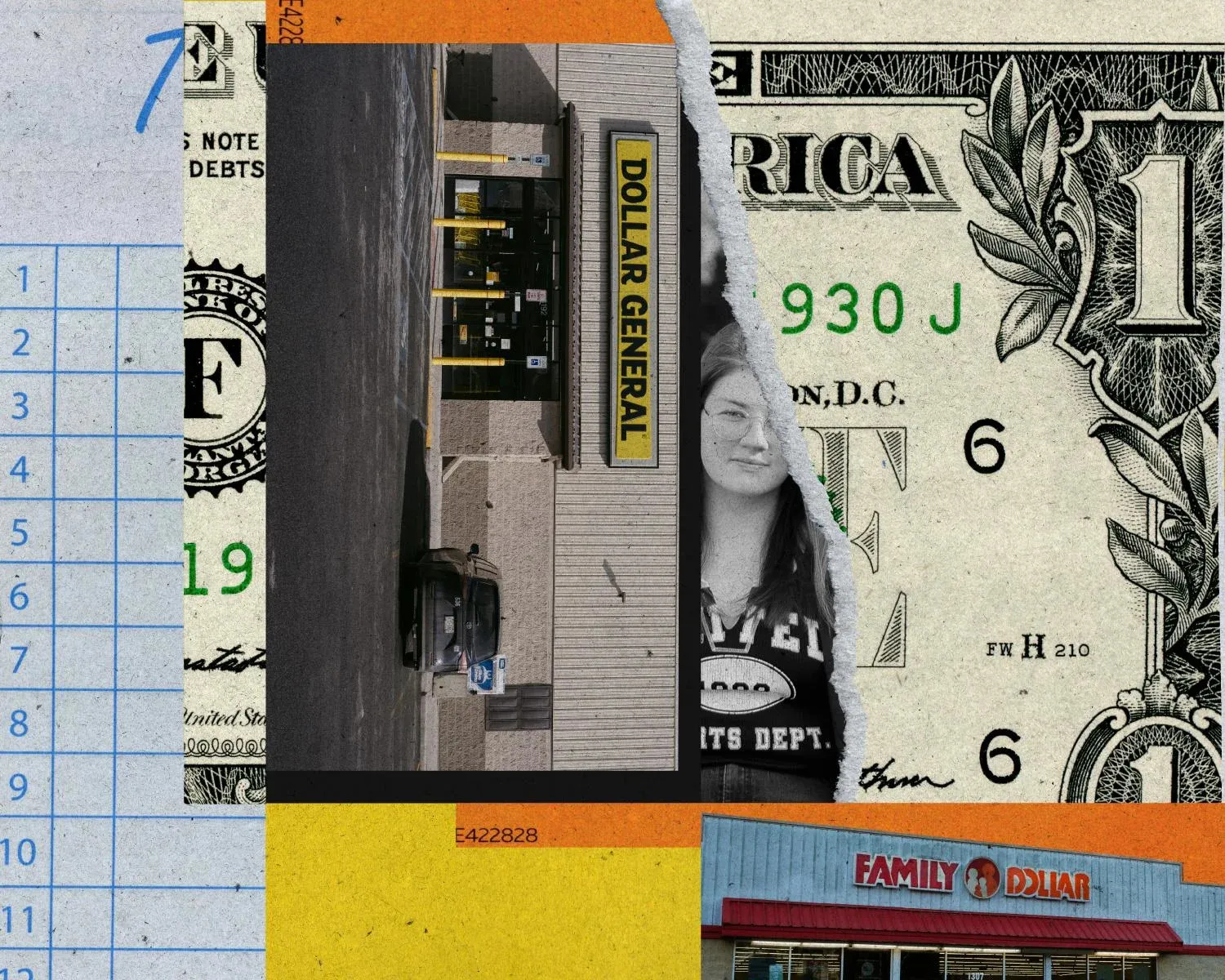
On a gray winter morning, state inspector Ryan Coffield visited a Family Dollar in Windsor, North Carolina, equipped with a barcode scanner and a laptop. The store, located on a busy three-lane road in a rural county known for peanut farming and poultry work, underwent a thorough price audit. Coffield scanned 300 products and compared the shelf tags with checkout prices, revealing widespread discrepancies.
Popular items were consistently overpriced. Red Baron frozen pizzas tagged at $5 scanned at $7.65, Bounty paper towels marked $10.99 rang up at $15.50, and brands like Kelloggs Frosted Flakes, Stouffers meatloaf, Sprite, Pepsi, ibuprofen, and Klondike Minis were all subject to overcharges. Pedigree puppy food listed at $12.25 rang up at $14.75. Overall, 69 of 300 items were overpriceda 23% error rate, far exceeding the states allowable limit. Some price tags were months old.
This January 2023 inspection marked Family Dollars fourth consecutive failure, prompting previous fines from the state Department of Agriculture & Consumer Services. However, penalties are capped at $5,000 per inspection, often making fines cheaper than correcting systemic pricing issues. Sometimes it is cheaper to pay the fines, said Chad Parker, head of the states weights-and-measures program.
Dollar stores, including Family Dollar and Dollar General, market themselves as offering low-cost essentials. Yet, an investigation by the Guardian revealed that advertised shelf prices frequently differ from what customers actually pay. These discrepancies disproportionately affect low-income shoppers, many of whom do not notice the overcharges.
Since January 2022, Dollar General has failed over 4,300 pricing inspections in 23 states, while Family Dollar has failed more than 2,100 inspections across 20 states. Some stores reported extremely high error rates, including a 76% overcharge at a Dollar General in Ohio, a 68% rate at a Family Dollar in New Jersey, and 58% at a Family Dollar in Ohio. Repeat offenders are common, with a Utah Family Dollar failing 28 inspections consecutively.
Regulators have begun to act. Arizonas attorney general reached a $600,000 settlement with Family Dollar in May, and Colorado settled with Dollar General for $400,000 in October. New Jersey, Vermont, Wisconsin, and Ohio have also secured settlements. Yet, enforcement remains uneven, with some states conducting no inspections unless complaints arise.
Customers describe the financial strain. Linda Davis, a 64-year-old Social Security recipient in Dayton, Ohio, found 12 of 23 items mispriced at checkout. Traveling to alternative stores is costly, leaving residents reliant on dollar stores despite repeated overcharges.
Dollar General and Family Dollar have declined detailed interviews but issued general statements affirming their commitment to accurate pricing. In legal proceedings, Dollar General has argued that exact shelf-to-register price alignment is unrealistic and not legally required. Nevertheless, critics argue the industry has known about widespread discrepancies for years but has not effectively addressed them.
Investigations suggest staffing and operational practices contribute to overcharging. Automated register updates often outpace the manual process of replacing shelf tags. Overworked employees may not have time to correct tags, creating errors unnoticed by customers at the checkout. Reports also indicate some stores advertise sales that do not actually reduce prices, misleading shoppers about savings.
The industrys growth continues despite these issues. Dollar General operates over 20,000 stores across 48 states, serving both low- and middle-income shoppers, while Family Dollar runs 8,000 stores nationwide. Both brands are heavily concentrated in low-income urban neighborhoods and rural towns where alternative retail options are limited.
Residents in communities like Windsor, North Carolina, and Essex County, New York, rely on dollar stores due to the scarcity of other grocery or retail options. In Port Henry, New York, one Dollar General was fined over $100,000 after repeated inspections revealed nearly 40% of items overpriced, including essential groceries and vitamins.
Despite occasional improvements in compliance, customers continue to encounter incorrect pricing. For example, in Windsor, shoppers reported paying full price for items labeled on sale, and in-store conditions often make price verification difficult due to cluttered aisles and unshelved merchandise.
Consumer advocates argue that dollar stores, while marketed as essential neighborhood retailers, often contribute to economic strain by overcharging the very communities they serve. Overcharges, understaffing, and misleading promotions highlight systemic issues within the sector that persist despite regulatory action and public scrutiny.
Author: Connor Blake
Share

These 15 Major European Stories Are Taking Over Headlines - But Barely Making a Splash in US Newsfeeds
4 minutes ago 6 min read BUSINESS

'Wrapped' released as Bad Bunny regains Spotify's number one position
8 minutes ago 2 min read BUSINESS

Construction of new homes postponed due to energy consumption of data centers
13 minutes ago 3 min read BUSINESS
Tunneling for Lower Thames Crossing set to start in 2028
16 minutes ago 1 min read BUSINESS
Council's proposal to install up to 1,500 new EV chargers
17 minutes ago 2 min read BUSINESS
The Trump Administration Plans to Suggest Loosened Fuel-Economy Rules
20 minutes ago 2 min read BUSINESS

Waste bins may be collected every three weeks
22 minutes ago 2 min read BUSINESS
Adverse reactions possible for all size dogs after disturbing discovery in pet food bowls prompts urgent recall by company
24 minutes ago 2 min read BUSINESS

Pilots' union prevents Allegiant Air from obtaining US residency for foreign hires
25 minutes ago 3 min read BUSINESS
Ritz crackers recalled in 8 states. Check out which snacks are affected.
28 minutes ago 3 min read BUSINESS