

TV Under Trump: WNET Seeks to Transform "Mortal Risk" Into Chance to Rescue Shows, Utilizing AI
- Last update: 20 hours ago
- 3 min read
- 516 Views
- BUSINESS
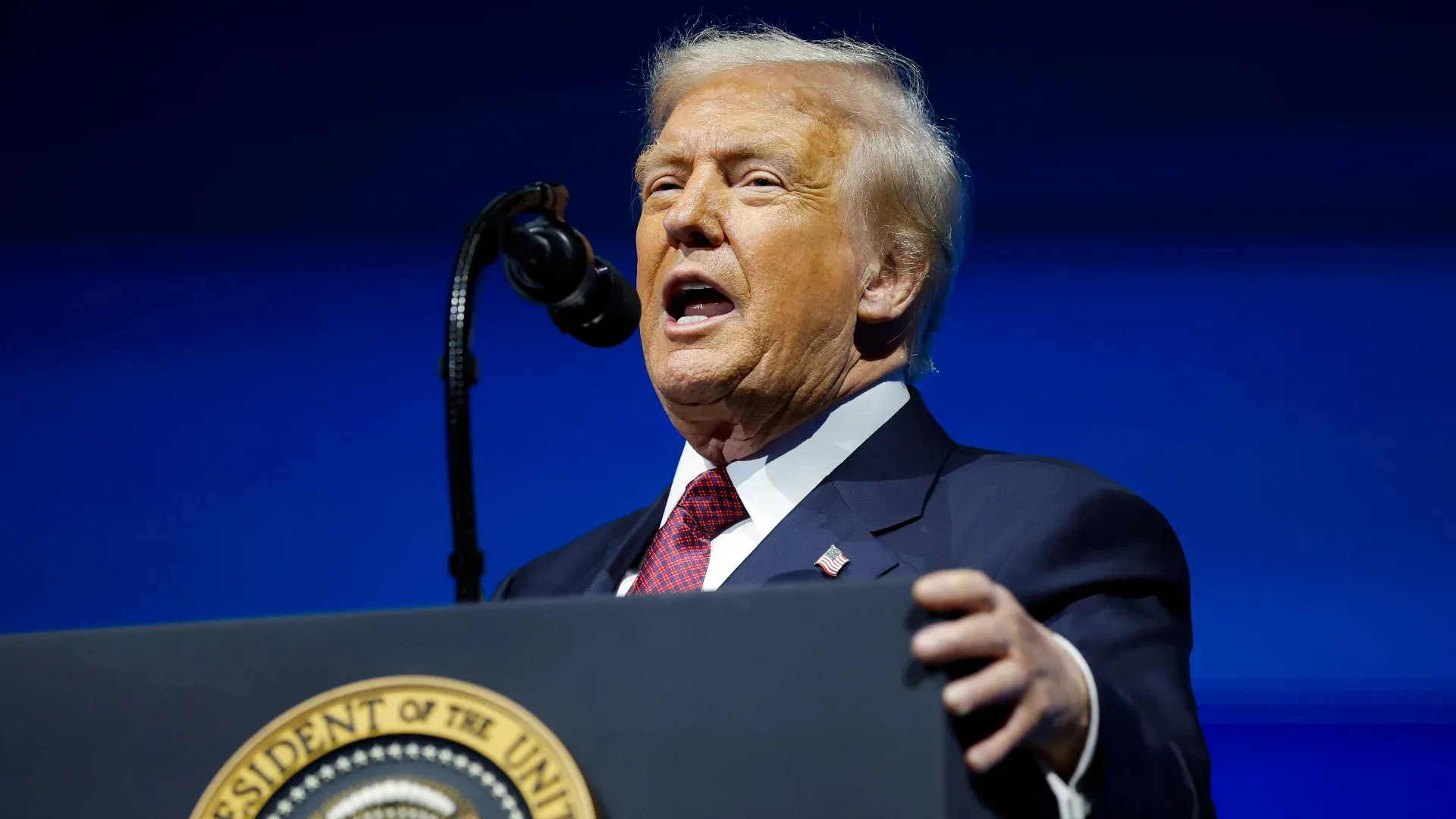
At the Content London industry event on Thursday, a panel explored the challenges and future of television under the Trump administration. The session, titled TV under Trump 2.0: Industry Shifts and Future Directions, examined the impact of policy changes on the global content business.
The discussion highlighted issues such as reduced public media funding, uncertainty in mergers and acquisitions, adjustments in diversity initiatives, AI regulation, and the potential relocation of U.S. productions. These developments have sparked questions about the sustainability of long-standing programs and the evolving landscape of content creation.
The panel featured Stephen Segaller, VP of programming at The WNET Group, Simon David Miller, AI creator and founder of New Forest Film, Hasham Khan, media investment banker and managing director at ABP Advisory, and consultant Kristin Jones, who is developing her own content projects. Jordan Pinto, North American editor at C21Media, moderated the conversation.
Segaller addressed the impact of a $1.5 billion reduction in PBS and international aid funding, noting that PBS lost $550 million in the fiscal year, representing roughly 1520% of public TV budgets. As a result, WNET plans to discontinue co-funding programs like American Masters and Secrets of the Dead from mid-2026, prompting the network to seek alternative funding sources and partnerships.
Our goal is to transform what appears to be a mortal risk into an opportunity, Segaller explained. Without PBS funding for certain series, we are now exploring collaborations with other platforms, distributors, and funding avenues, including AI-driven production efficiencies.
Jones commented on the decline of U.S. co-productions with international partners, noting that the trend started prior to Trumps return, influenced by events such as Hollywood strikes. Khan described market volatility in mergers and acquisitions but emphasized strong performance in 2025, focusing on essential deals to ensure high valuations.
Miller discussed emerging AI regulations, suggesting a framework where AI tools can learn but not copy copyrighted content. He predicted a transformative wave that will democratize content creation and reshape the industry.
The panel also touched on high-profile corporate deals, including Warner Bros. Discoverys auction process and Paramount-Skydance transactions. Segaller emphasized that major companies are adapting to the current administrations policies, and political dynamics in the U.S. are increasingly combative.
Despite challenges, Segaller expressed confidence in the resilience of public broadcasting. PBS remains one of the most trusted channels in the U.S., and public service broadcasting will continue to serve audiences, he said.
Khan noted that proposed tariffs on U.S. and foreign content could affect production decisions and market confidence, though he stressed that uncertainty does not equate to inevitable decline. Jones added that the global demand for U.S. content persists, particularly with the rise of streaming platforms providing local alternatives.
The panel concluded that while policy changes and funding cuts present risks, opportunities exist for innovation, co-productions, and leveraging AI to sustain long-running shows and meet the evolving demands of international audiences.
Author: Lucas Grant
Share
Raskin to investigate Trump's influence on edited ‘60 Minutes’ interview
15 hours ago 2 min read BUSINESS

MS NOW to Offer Direct-to-Consumer Service Starting Next Summer
17 hours ago 2 min read BUSINESS

LISTEN: Analyzing the Representation of Spirituality and Faithful Individuals in Pop Culture; Richard Gere Discusses His Documentary 'Wisdom of Happiness' Featuring the Dalai Lama
17 hours ago 1 min read ENTERTAINMENT

CBS News employees criticize Bari Weiss for moderating 'absurd' network town hall with Erika Kirk
19 hours ago 2 min read BUSINESS

Fox 2026 Upfront relocates to New York City Center
20 hours ago 2 min read BUSINESS

Pathé Appoints Ben Browning as Co-CEO of U.K. Division for Revitalization of English-Language Film Industry
1 days ago 2 min read BUSINESS

Natalie Portman and Animator Ugo Bienvenue Envision a Brighter Future with Award-Winning Film 'Arco:' 'This Film Had to Be Made'
1 days ago 4 min read ENTERTAINMENT

Joel Edgerton Criticizes James Cameron for Arguing Over Films Eligible for Oscars
1 days ago 3 min read ENTERTAINMENT

Variety's Report on the Impact of Faith & Media in 2025
1 days ago 3 min read BUSINESS

Is Hollywood Able to Remain in Hollywood? Panel Discussion Takes Place in London
1 days ago 3 min read ENTERTAINMENT