

China's factory activity continues to decline in November despite trade war truce
- Last update: 4 days ago
- 2 min read
- 15 Views
- ECONOMICS
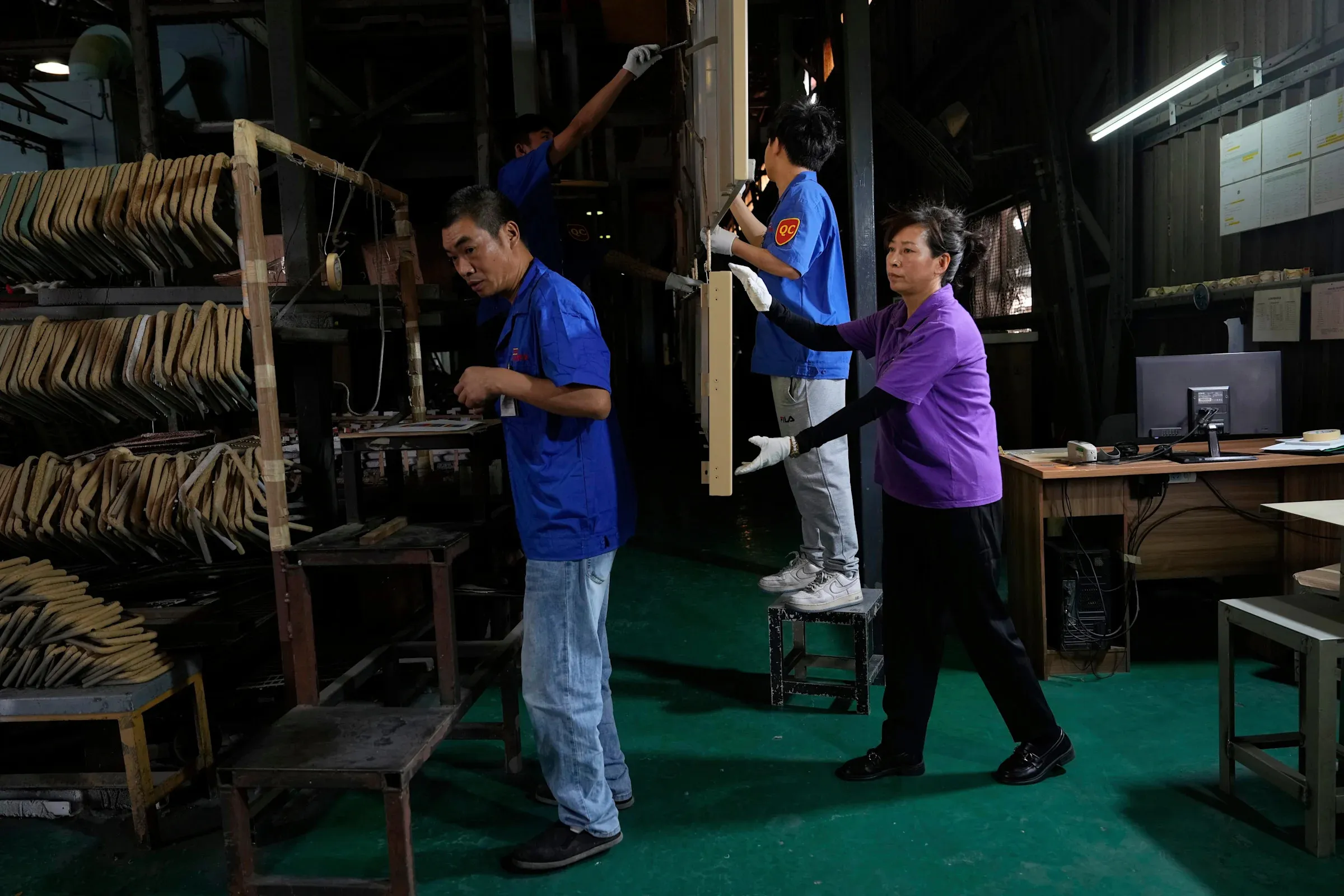
HONG KONG Chinas manufacturing sector continued its contraction for the eighth consecutive month in November, highlighting persistent economic difficulties despite a temporary trade agreement with the United States.
The official manufacturing Purchasing Managers Index (PMI) edged up slightly to 49.2 in November, compared with 49 in October, according to Chinas National Bureau of Statistics. The PMI ranges from 0 to 100, with readings below 50 signaling a decline in activity. The latest figure aligned with analysts predictions.
Earlier this month, the U.S. announced tariff reductions on Chinese imports, potentially improving the competitiveness of Chinese exports in the American market. However, it remains uncertain whether this will translate into a sustained recovery in export growth following the trade truce between the two nations. U.S. President Donald Trump and Chinese President Xi Jinping met on October 30 in South Korea, agreeing on the tariff cuts, which had raised hopes for Chinese manufacturing and exports.
Despite these developments, Chinas property market slump and declining home prices continue to weigh on consumer confidence, with investment in real estate remaining weak. Domestic industries, including the automotive sector, are also facing intense price competition, putting additional pressure on businesses.
Economists suggest that more government intervention is necessary to stimulate growth, though policymakers appear cautious about introducing further support measures. Lynn Song, chief economist for Greater China at ING Bank, noted that while previous initiatives, such as trade-in incentives for home appliances and electric vehicles, helped stimulate demand, many of these subsidies are scheduled to end, which may reduce consumer spending and domestic demand for manufactured goods.
Zichun Huang, China economist at Capital Economics, commented that the tapering of consumer goods trade-in incentives could be affecting domestic demand, and signals from the local market remain mixed.
Chinese authorities have set an economic growth target of roughly 5% for 2025. The economy expanded by 4.8% in the July-September quarter, suggesting that achieving the annual growth target may require only limited additional support, according to Song.
Author: Sophia Brooks
Share

Michael Dell to donate $250 to 25 million U.S. children for "Trump accounts"
3 days ago 1 min read ECONOMICS

ALDI Brings Back a Popular Product and It's Priced Under $10
3 days ago 2 min read ECONOMICS

No opposition recommended for the sixth energy storage project near the village
3 days ago 2 min read ECONOMICS

'Micro jobs' aiding individuals escape poverty - charitable organization
3 days ago 3 min read ECONOMICS
Homebuyer seeks guidance as unusual trend spreads across US housing market: 'What's going on?'
3 days ago 2 min read ECONOMICS

What comes next in the Amazon-Teamsters showdown?
3 days ago 3 min read ECONOMICS

Utilizing River Energy for Building Heating in New Project
3 days ago 2 min read ECONOMICS
Farmers warn of serious risk as staple crop becomes harder to grow: 'Production is in jeopardy'
3 days ago 3 min read ECONOMICS

From Biker Bars to Schools, Yondr Founder Sees Phone Pouches as 'Disrupting Impulses'
3 days ago 3 min read ECONOMICS

Sophie Rain from OnlyFans Contemplates if She Made More Money than LeBron James in 2025
3 days ago 2 min read ECONOMICS