

Elon Musk predicts that in 'less than 20 years' people won't have to work at all, forget the four-day workweek.
- Last update: 3 days ago
- 3 min read
- 25 Views
- ECONOMICS
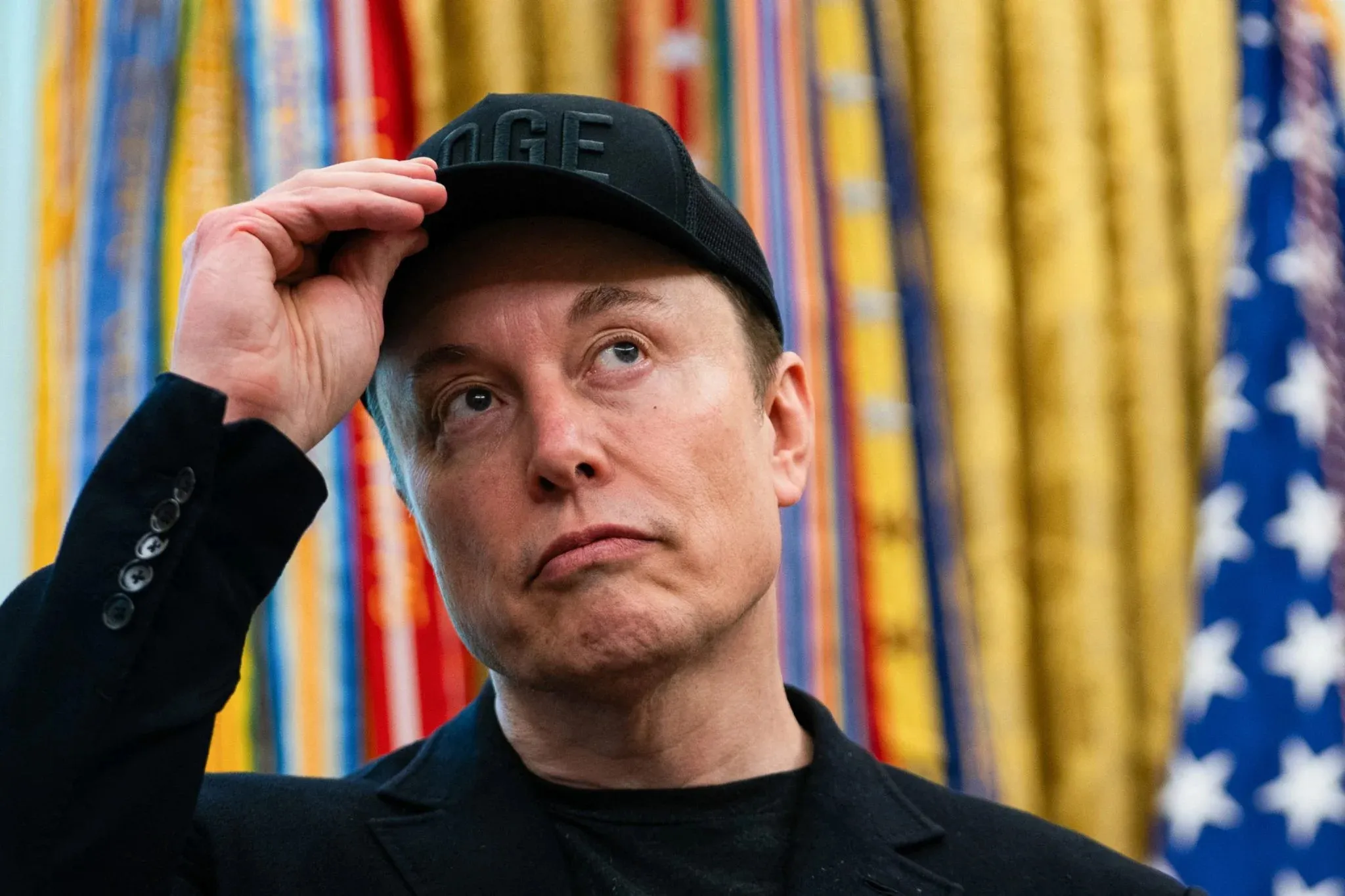
Young professionals from Gen Z are anxiously looking for signs that artificial intelligence wont take over their first jobs straight out of college. Elon Musk, however, foresees a radically different scenario: by the time these graduates reach their forties, working might not be necessary at all.
Within the next 10 to 20 years, advancements in AI and robotics could make work optional, Musk stated during a recent episode of the People by WTF podcast. Tools like ChatGPT and Google Gemini have already reduced time-consuming tasks, including data cleaning, summarization, and other administrative work. According to a survey conducted last year, AI could save employees up to 12 hours per week by 2029.
Podcast host Nikhil Kamath highlighted that certain regions are already experimenting with shorter workweeks as AI increases productivity. Musk, however, dismissed the idea of a mere four-day workweek, suggesting that jobs will increasingly become a matter of personal preference, similar to a hobby.
Musk Reiterates That Work Could Be a Choice
This isnt the first time the SpaceX CEO, whose net worth is estimated at $450 billion, has suggested that work could become optional. Recently, at the U.S.-Saudi Investment Forum in Washington, D.C., Musk likened working to maintaining a home garden: some choose to do it for enjoyment, but its not a necessity.
You can either grow your own vegetables or buy them at a store, Musk explained. Growing them yourself is harder, but some people enjoy it. Work will be optional in a similar way, in my view.
Musk also emphasized that living near a city wont be required for a job. With a potential Universal High Income covering basic living costs and other personal desires, people will have more freedom in how and where they live. If you can imagine it, you can have it, Musk said.
Other Tech Leaders Predict Shorter Workweeks Thanks to AI
While Musks vision might sound futuristic, other industry leaders have made similar predictions. Microsoft co-founder Bill Gates suggested AI could automate nearly all tasks, possibly enabling a two-day workweek within ten years. Zoom CEO Eric Yuan anticipates a three-day workweek, while Nvidia CEO Jensen Huang believes AI adoption will likely lead to four-day workweeks.
However, fewer mandatory workdays dont necessarily mean less productivity. Huang explained that as technology simplifies challenging tasks, people may have more time to explore new ideas and projects, potentially increasing overall activity rather than reducing it. When life becomes more productive and difficult tasks become easier, you likely have more time to pursue additional ventures, Huang stated at the U.S.-Saudi Investment Forum alongside Musk.
This article was originally published on Fortune.com.
Author: Sophia Brooks
Share

Michael Dell to donate $250 to 25 million U.S. children for "Trump accounts"
2 days ago 1 min read ECONOMICS

ALDI Brings Back a Popular Product and It's Priced Under $10
3 days ago 2 min read ECONOMICS

No opposition recommended for the sixth energy storage project near the village
3 days ago 2 min read ECONOMICS

'Micro jobs' aiding individuals escape poverty - charitable organization
3 days ago 3 min read ECONOMICS
Homebuyer seeks guidance as unusual trend spreads across US housing market: 'What's going on?'
3 days ago 2 min read ECONOMICS

What comes next in the Amazon-Teamsters showdown?
3 days ago 3 min read ECONOMICS

Utilizing River Energy for Building Heating in New Project
3 days ago 2 min read ECONOMICS
Farmers warn of serious risk as staple crop becomes harder to grow: 'Production is in jeopardy'
3 days ago 3 min read ECONOMICS

From Biker Bars to Schools, Yondr Founder Sees Phone Pouches as 'Disrupting Impulses'
3 days ago 3 min read ECONOMICS

Sophie Rain from OnlyFans Contemplates if She Made More Money than LeBron James in 2025
3 days ago 2 min read ECONOMICS