

Exploring DOT's Recent ELD Approval Changes: What's Different and Why It's Important
- Last update: 3 days ago
- 4 min read
- 43 Views
- ECONOMICS
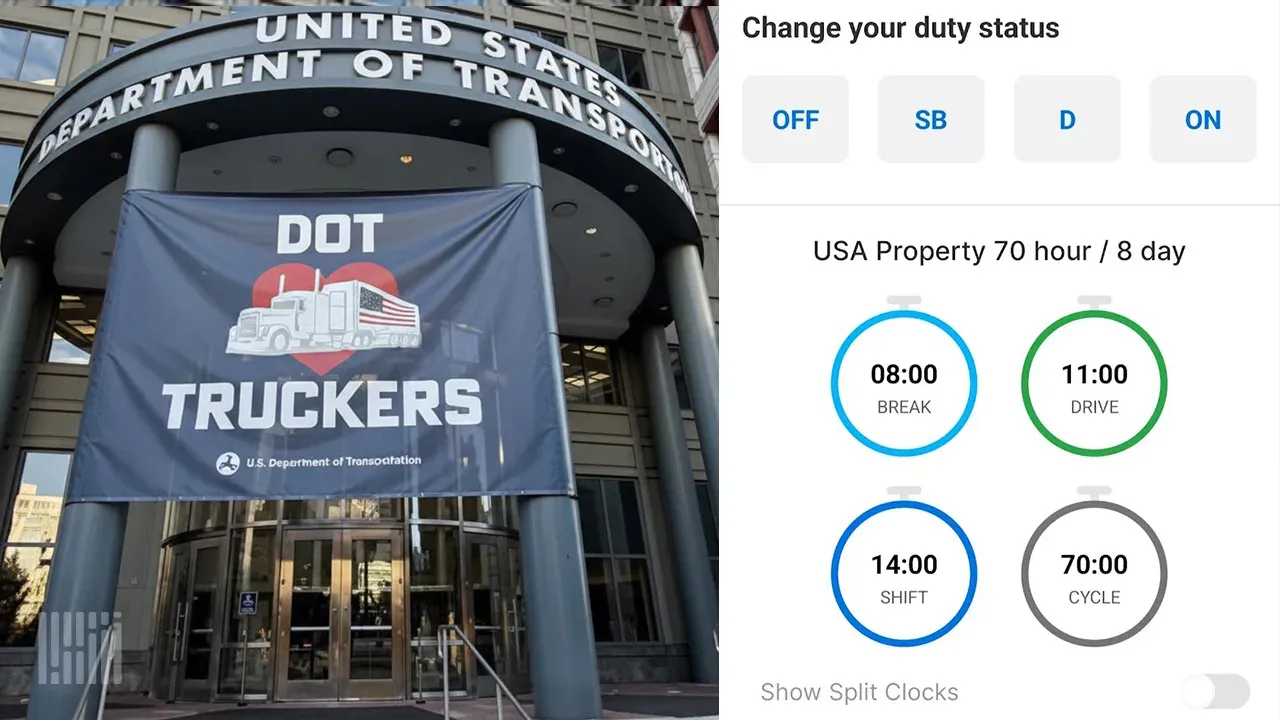
The Federal Motor Carrier Safety Administration (FMCSA) revealed Monday a significant restructuring of the Electronic Logging Device (ELD) approval system, introducing pre-publication scrutiny that critics argue should have been in place since the 2017 mandate.
This decision follows the 2022 crash on I-64 near Williamsburg, Virginia, where a Triton Logistics truck, operating under a ghost driver scheme orchestrated from Lithuania, killed three individuals. The agency has also removed 308 devices from its approved list, responding to reports of widespread ELD fraud encountered by inspectors in the field.
Tragic Crash Highlights System Flaws
On December 16, 2022, Daniel Cramer, driving a Triton Logistics truck, collided with a party bus at 65 mph while cruise control was engaged. The impact tore the bus apart, ejecting all 23 passengers. Three men died and twenty others were injured. Official ELD logs indicated compliance with hours-of-service rules, though investigations revealed systematic violations, including Cramer exceeding daily and weekly limits.
Authorities initially believed Cramer had a co-driver, but the alleged co-driver had been terminated a week prior and had never actually driven with Cramer. The National Transportation Safety Board (NTSB) discovered that Tritons Lithuanian-managed Hours of Service department created fake driver accounts to circumvent ELD limits, coaching drivers on what to report to inspectors.
Systemic Fraud Exposed
The investigation found that driver and co-driver accounts were manipulated, often using identical license numbers and fabricated records. Post-crash, Triton modified the alleged co-drivers license information before submitting data to FMCSA, indicating awareness that falsified records would fail scrutiny. RoadStar LLC, Tritons ELD provider, had self-certified its devices without independent testing, a gap the new FMCSA process seeks to address.
Prior to the overhaul, manufacturers self-certified devices against technical specifications without third-party verification, creating a loophole exploited in cases like Triton. Of the 308 revoked devices, only 70 were formally removed by FMCSA; the remainder were voluntarily withdrawn by manufacturers.
RoadStar and the Aftermath
On January 8, 2025, FMCSA revoked RoadStar Solutions from the approved list for failing minimum standards. Another brand under the same corporate umbrella, United ELD, was removed simultaneously. Industry experts note revoked providers often rebrand, continuing operations under new names. The majority of revoked devices were self-revoked, highlighting gaps in federal enforcement.
ELD fraud remains widespread. Inspectors report encountering ghost driver schemes, back-office manipulation of logs, and third-party services offering illegal log adjustments. FMCSAs overhaul introduces four application categoriesapproved, information requested, further review, and deniedaimed at screening fraudulent or problematic devices before registration.
New Approval Process
The updated system emphasizes verification of contact details, technical specifications, device imagery, and cross-checking against existing, revoked, or pending ELD applications. Pre-publication vetting is intended to prevent repeated re-registration of non-compliant devices.
However, the process still lacks field testing. Devices are checked against documentation rather than real-world performance, meaning technically compliant but manipulable devices can still evade detection. NTSB-recommended audit logs tracking driver login activity and edits are not included in the new vetting, leaving vulnerabilities intact.
Accountability and Industry Implications
FMCSAs response to Tritons fraud included a $36,170 fine and a conditional safety rating, allowing the company to continue operations. Unlike other sectors requiring third-party certification for safety-critical equipment, ELDs rely heavily on self-certification. Carriers purchasing approved devices must remain vigilant, verifying manufacturers records, monitoring registry status, and maintaining contingency plans for potential revocations.
While the new process improves documentation review and fraud cross-checking, it does not guarantee the devices themselves are tamper-proof. Without criminal or substantial financial consequences for ELD fraud, similar schemes may persist. The regulatory framework that enabled ghost driver operations remains largely unchanged, leaving the door open for future tragedies.
FMCSAs overhaul arrives eight years after the original ELD mandate and three years after the fatal Virginia crash, signaling progress in oversight but underscoring that systemic weaknesses persist.
Author: Sophia Brooks
Share

Michael Dell to donate $250 to 25 million U.S. children for "Trump accounts"
3 days ago 1 min read ECONOMICS

ALDI Brings Back a Popular Product and It's Priced Under $10
3 days ago 2 min read ECONOMICS

No opposition recommended for the sixth energy storage project near the village
3 days ago 2 min read ECONOMICS

'Micro jobs' aiding individuals escape poverty - charitable organization
3 days ago 3 min read ECONOMICS
Homebuyer seeks guidance as unusual trend spreads across US housing market: 'What's going on?'
3 days ago 2 min read ECONOMICS

What comes next in the Amazon-Teamsters showdown?
3 days ago 3 min read ECONOMICS

Utilizing River Energy for Building Heating in New Project
3 days ago 2 min read ECONOMICS
Farmers warn of serious risk as staple crop becomes harder to grow: 'Production is in jeopardy'
3 days ago 3 min read ECONOMICS

From Biker Bars to Schools, Yondr Founder Sees Phone Pouches as 'Disrupting Impulses'
3 days ago 3 min read ECONOMICS

Sophie Rain from OnlyFans Contemplates if She Made More Money than LeBron James in 2025
3 days ago 2 min read ECONOMICS