

How Cyber Monday may set new spending records amid economic uncertainty
- Last update: 4 days ago
- 3 min read
- 17 Views
- ECONOMICS
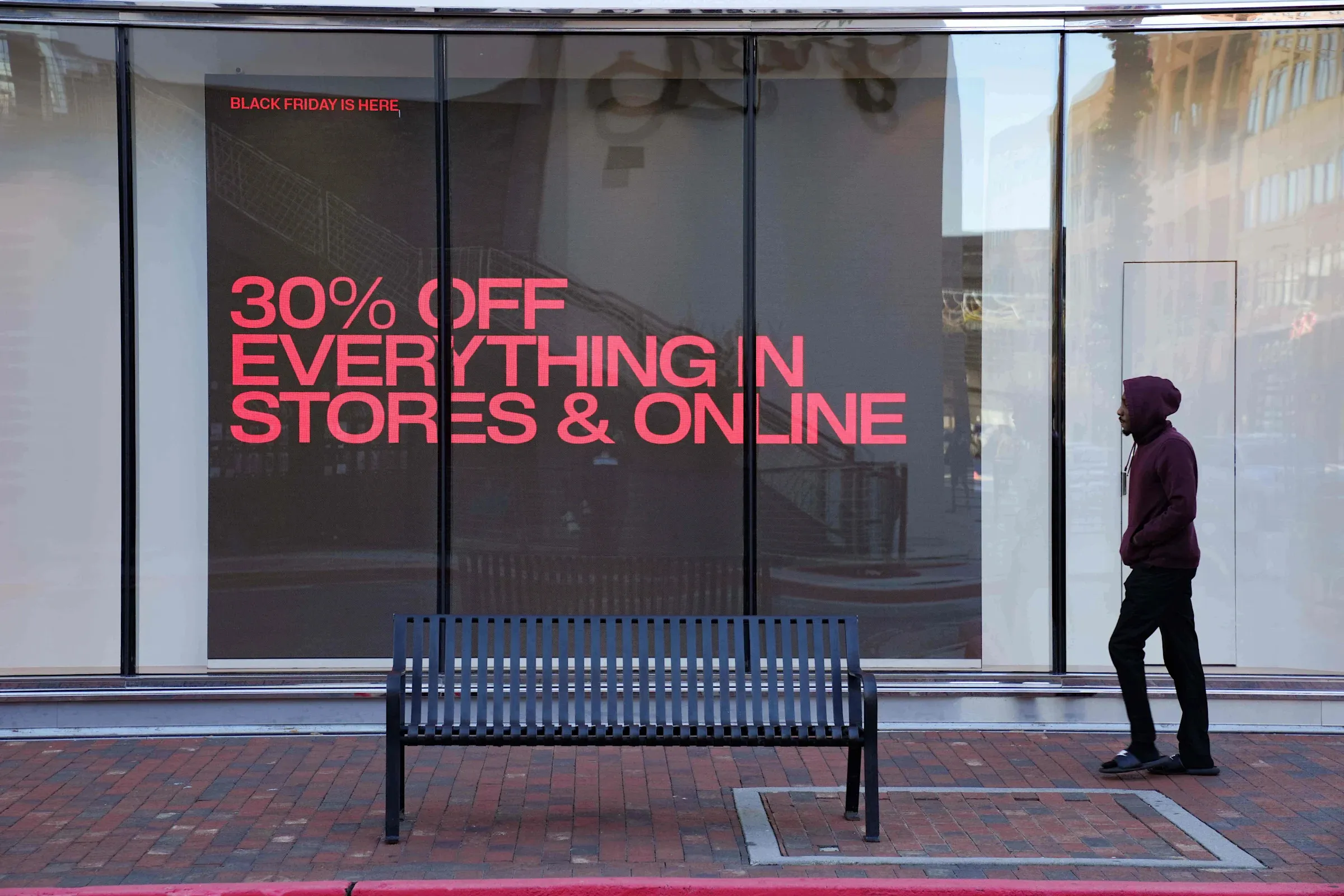
NEW YORK (AP) As Cyber Monday concludes the post-Thanksgiving shopping surge, millions across the U.S. are expected to remain glued to their screens hunting for top holiday deals. Online shopping has become an everyday habit for many, with the seasonal rush significantly boosting purchases year after year.
Analysts anticipate record-breaking online spending for this Cyber Monday despite ongoing economic uncertainties. Adobe Analytics projects that Americans will spend $14.2 billion online Monday, a 6.3% increase from 2024. For context, shoppers already spent $11.8 billion on Black Friday and $6.4 billion on Thanksgiving, surpassing Adobes earlier projections.
Spending during Cyber Week the five-day period between Thanksgiving and Cyber Monday serves as a strong indicator of holiday consumer behavior. Cyber Week is off to a strong start, said Vivek Pandya, lead analyst at Adobe Digital Insights. Discounts are expected to remain high through Cyber Monday, which is likely to be the largest online shopping day of the season and the year.
Electronics and apparel are set to see peak discounts at around 30% and 26% off average prices, according to Adobe. While bargain-hunting drives much of the online traffic, rising retail prices could also contribute to potential record sales. Economic concerns remain, including the impact of tariffs on imports and job security anxieties following corporate layoffs and a recent government shutdown.
The National Retail Federation forecasts that U.S. consumers will spend over $1 trillion this November-December holiday season, marking a first-time milestone. However, growth is slowing, with expected increases of 3.7% to 4.2% compared to last years 4.3% rise. At the same time, credit card debt and short-term loan delinquencies are climbing.
More shoppers are turning to buy now, pay later programs, which allow delayed payments for holiday purchases. Adobe expects these plans to drive $20.2 billion in online spending this season, up 11% from last year. On Cyber Monday alone, buy now, pay later purchases are projected to exceed $1 billion, mostly via mobile devices.
Mobile shopping has become dominant, with smartphones, wearable tech, and other handheld devices accounting for 56.1% of online holiday spending, totaling $142.7 billion. Five years ago, most online purchases occurred on desktops.
Artificial intelligence is also influencing consumer choices. Salesforce estimated that AI assistants and digital agents contributed $14.2 billion to the $79 billion spent online globally on Black Friday. Hot sellers for Cyber Monday include gaming consoles like the Nintendo Switch 2, trendy toys such as Labubu Dolls, and popular electronics like the iPhone 17, Google Pixel 10, and Samsung Galaxy S25.
Cyber Monday, now 20 years old since the National Retail Federation coined the term in 2005, has grown beyond a single-day event. While it remains the last chance for post-Thanksgiving discounts, the shopping frenzy now extends throughout the week, fueled by seasonal marketing and consumer anticipation.
Author: Sophia Brooks
Share

Michael Dell to donate $250 to 25 million U.S. children for "Trump accounts"
3 days ago 1 min read ECONOMICS

ALDI Brings Back a Popular Product and It's Priced Under $10
3 days ago 2 min read ECONOMICS

No opposition recommended for the sixth energy storage project near the village
3 days ago 2 min read ECONOMICS

'Micro jobs' aiding individuals escape poverty - charitable organization
3 days ago 3 min read ECONOMICS
Homebuyer seeks guidance as unusual trend spreads across US housing market: 'What's going on?'
3 days ago 2 min read ECONOMICS

What comes next in the Amazon-Teamsters showdown?
3 days ago 3 min read ECONOMICS

Utilizing River Energy for Building Heating in New Project
3 days ago 2 min read ECONOMICS
Farmers warn of serious risk as staple crop becomes harder to grow: 'Production is in jeopardy'
3 days ago 3 min read ECONOMICS

From Biker Bars to Schools, Yondr Founder Sees Phone Pouches as 'Disrupting Impulses'
3 days ago 3 min read ECONOMICS

Sophie Rain from OnlyFans Contemplates if She Made More Money than LeBron James in 2025
3 days ago 2 min read ECONOMICS