

UN report warns that AI could exacerbate inequalities between the wealthy and the impoverished across the globe
- Last update: 3 days ago
- 3 min read
- 29 Views
- ECONOMICS
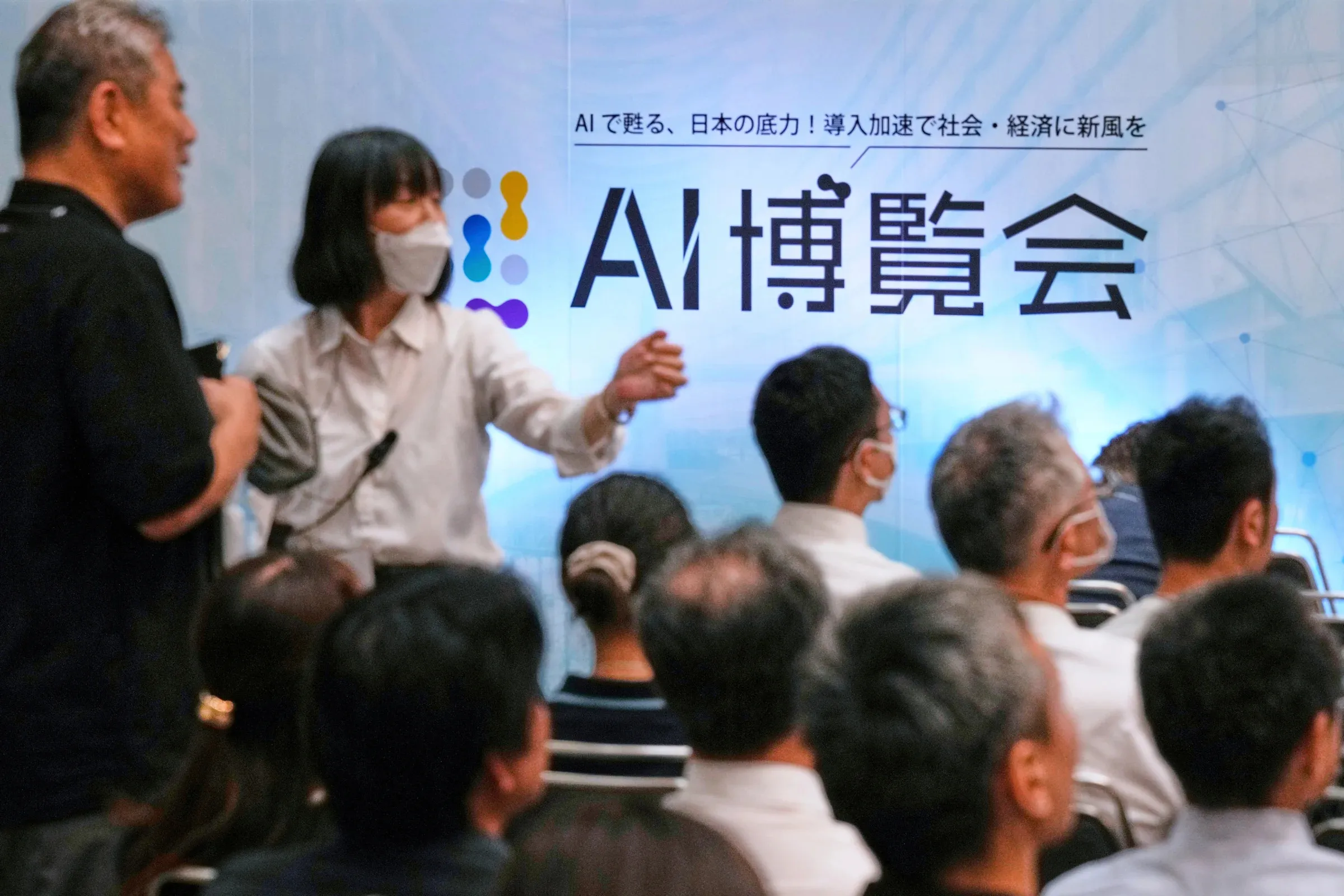
BANGKOK Amid the excitement surrounding artificial intelligence, there are serious challenges, particularly regarding its impact on people already disadvantaged in a data-dependent world. A recent United Nations Development Program report emphasizes that the majority of AI benefits are likely to be captured by wealthy nations unless deliberate actions are taken to use this technology to bridge gaps in access to essential resources and advanced knowledge.
The report, released Tuesday, draws a parallel to the Great Divergence of the industrial revolution, when rapid modernization in Western countries left others behind. Concerns about how companies and institutions will deploy AI are widespread, as it has the potential to alter or replace jobs traditionally performed by humans through automation and robotics.
While discussions about AI often focus on productivity, competitiveness, and economic growth, the report stresses that its most critical implications concern human lives. Communities still struggling with access to education, electricity, and internet, as well as older populations and those affected by war, civil unrest, or climate crises, are particularly vulnerable. Such groups may also be underrepresented in datasets that inform AI systems.
As a general-purpose technology, AI can boost productivity, create new industries, and help lagging regions catch up, the report states. Applications such as agricultural guidance, rapid medical imaging analysis, faster diagnoses, accurate weather predictions, and disaster assessments could benefit rural areas and regions prone to natural hazards. AI tools that evaluate poverty, health, and disaster risks can enable quicker, more equitable decisions and convert data into ongoing learning and public benefit.
Even in affluent nations like the United States, there are concerns that AI data centers could consume excessive electricity and water. Expanding power generation to meet AI demand may slow progress on reducing carbon emissions and pose health risks. Ethical, privacy, and cybersecurity issues also arise, including AI-assisted cyberattacks and the creation of deepfakes capable of spreading misinformation or facilitating crime.
The report notes that countries such as China, Japan, South Korea, and Singapore are well-positioned to leverage AI, whereas nations like Afghanistan, the Maldives, and Myanmar face significant barriers including insufficient skills, unreliable power, and limited computing resources. Regional disparities within countries mean some areas, even in advanced economies, risk being left behind.
Approximately 25% of the Asia-Pacific population lacks internet access. Without closing these gaps, millions could be excluded from devices, digital payments, digital IDs, and educational opportunities necessary for participation in the global economy, leaving them stranded on the wrong side of an AI-driven world. Additional risks include misinformation, privacy violations, and AI systems that act as opaque black boxes reinforcing biases against minorities or vulnerable groups. The report underscores the need for transparency and robust regulation to ensure AI is deployed fairly and responsibly.
AI is becoming the regions next essential infrastructure, like electricity, roads, and schools, but with faster benefits and greater risks, the report concludes, urging governments to expand digital infrastructure, education and training, equitable competition, and social protection. The overarching goal is to democratize AI access so all countries and communities can gain its benefits while safeguarding those most at risk from disruption.
Author: Sophia Brooks
Share

Michael Dell to donate $250 to 25 million U.S. children for "Trump accounts"
2 days ago 1 min read ECONOMICS

ALDI Brings Back a Popular Product and It's Priced Under $10
3 days ago 2 min read ECONOMICS

No opposition recommended for the sixth energy storage project near the village
3 days ago 2 min read ECONOMICS

'Micro jobs' aiding individuals escape poverty - charitable organization
3 days ago 3 min read ECONOMICS
Homebuyer seeks guidance as unusual trend spreads across US housing market: 'What's going on?'
3 days ago 2 min read ECONOMICS

What comes next in the Amazon-Teamsters showdown?
3 days ago 3 min read ECONOMICS

Utilizing River Energy for Building Heating in New Project
3 days ago 2 min read ECONOMICS
Farmers warn of serious risk as staple crop becomes harder to grow: 'Production is in jeopardy'
3 days ago 3 min read ECONOMICS

From Biker Bars to Schools, Yondr Founder Sees Phone Pouches as 'Disrupting Impulses'
3 days ago 3 min read ECONOMICS

Sophie Rain from OnlyFans Contemplates if She Made More Money than LeBron James in 2025
3 days ago 2 min read ECONOMICS