

10 Ways the Harry Potter Books Differ from the Movies in Controversial Ways
- HOME
- ENTERTAINMENT
- 10 Ways the Harry Potter Books Differ from the Movies in Controversial Ways
- Last update: 3 days ago
- 3 min read
- 21 Views
- ENTERTAINMENT
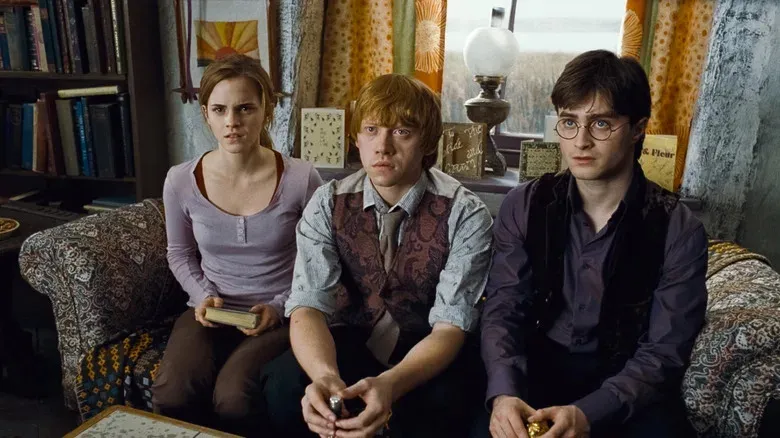
Adapting a book series as vast as "Harry Potter," which spans seven novels and thousands of pages, into feature-length films is an undeniably daunting task. While the movies made numerous changes, not all of them served the story effectively.
Ginny Weasleys Character is Oversimplified
In the books, Ginny Weasley evolves from a shy, timid girl into a confident and talented witch, skilled in magic and Quidditch, eventually becoming Harrys romantic partner. In the films, portrayed by Bonnie Wright, Ginnys personality and development are drastically reduced. Her charm, assertiveness, and relationship with Harry lose much of their depth, and key moments, like her contributions to Dumbledore's Army, are minimized or reassigned to other characters.
The Marauders Map Origins Were Cut
In Prisoner of Azkaban, Harry receives the Marauders Map from Fred and George Weasley, a crucial plot device showing every persons movements at Hogwarts. The film neglects to explain its creation by James Potter, Sirius Black, Peter Pettigrew, and Remus Lupin, erasing important backstory tied to Harrys parents and the betrayal that led to their deaths.
Voldemorts Backstory is Severely Reduced
In Half-Blood Prince, the books explore Voldemorts childhood, his parentage, and his rise to power, crucial for understanding Horcruxes. The film replaces these elements with excessive teenage romance, sidelining the dark lore that makes Voldemorts character compelling and the story richer.
Ron Weasley is Undermined
Rons bravery, intelligence, and loyalty are consistently downplayed in the films. Lines and actions attributed to him in the books are reassigned or omitted, portraying him as less capable and less important than he truly is in the novels.
Peeves the Poltergeist is Missing
Hogwarts mischievous poltergeist, Peeves, never appears in the films. Although his absence doesnt derail the main plot, it removes a beloved and chaotic element that added humor and liveliness to the castle in the books.
Voldemorts Death is Overly Dramatic
In the books, after all Horcruxes are destroyed, Voldemort dies as a mortal man when Harrys Disarming Charm reflects his Killing Curse. The film replaces this subtle ending with a visually dramatic explosion, undermining the narrative point that Voldemort is finally vulnerable and human.
The Elder Wand Ending is Altered
In Deathly Hallows, Harry becomes the true master of the Elder Wand but only uses it to repair his own wand and then returns it to Dumbledores tomb. The film has Harry destroy the wand entirely, creating confusion about its fate and diminishing the significance of wand ownership established in the books.
The Burrows Destruction is Unnecessary
In Half-Blood Prince, the films burn down the Weasley home, which is intact in the books. This unnecessary action serves only to create false tension, removing the sense of continuity and emotional comfort associated with the Burrow in the novels.
Neville Longbottoms Tragic Backstory is Omitted
Nevilles parents were tortured into permanent incapacitation by Death Eaters, and he was almost chosen by Voldemort as the Boy Who Lived. The films omit this heartbreaking history, reducing the depth and resilience of his character.
Barty Crouch Jr.s Role is Oversimplified
In Goblet of Fire, Barty Crouch Jr.s complex motives and family tragedy are largely removed. His actions are simplified, and key details, like his impersonation of Mad-Eye Moody and the reasons behind manipulating the Triwizard Tournament, are underexplored, weakening the storys tension.
The Harry Potter films achieved incredible popularity, but in the process, they simplified or altered many elements that gave the books their depth, complexity, and emotional resonance.
Author: Sophia Brooks
Share

Blake Lively Urges for Justin Baldoni Harassment Case to Proceed to Trial: 'This Is Not Just About Minor Annoyances'
1 minutes ago 2 min read ENTERTAINMENT

‘WTO/99’ Documentary Review: A Captivating Look at the Close of the 20th Century Caught on Film
1 minutes ago 3 min read ENTERTAINMENT
Prince Harry jokingly mocks Trump during fake Hallmark Christmas movie audition: 'I heard you elected a king'
2 minutes ago 3 min read ENTERTAINMENT
Critics rank every Disney animated film
3 minutes ago 4 min read ENTERTAINMENT

Bruno Mars Considered Abandoning ‘Die With a Smile’ Until Lady Gaga Revelation Altered His Decision
3 minutes ago 2 min read ENTERTAINMENT

Rachel Maddow Is Experiencing 'Friction' With Joe and Mika on MSNBC Now, Says Source
3 minutes ago 2 min read ENTERTAINMENT
Christmas Comedy 'Elf,' Featuring Will Ferrell and James Caan, Made $230 Million in Theaters
4 minutes ago 1 min read ENTERTAINMENT
Detroit Finally Unveils Statue of Iconic Movie Character
5 minutes ago 2 min read ENTERTAINMENT

Kylie Jenner Reveals Her Stem Cell Therapy Treatment: 'Significant Progress' in 'Healing' Journey
5 minutes ago 2 min read ENTERTAINMENT
Demands for DC to Revive the SnyderVerse Gain Momentum Following Netflix Deal
6 minutes ago 2 min read ENTERTAINMENT