

Former Netflix executive explains how a 'visionary' project turned into an alleged $11 million fraud
- HOME
- ENTERTAINMENT
- Former Netflix executive explains how a 'visionary' project turned into an alleged $11 million fraud
- Last update: 2 days ago
- 3 min read
- 9 Views
- ENTERTAINMENT
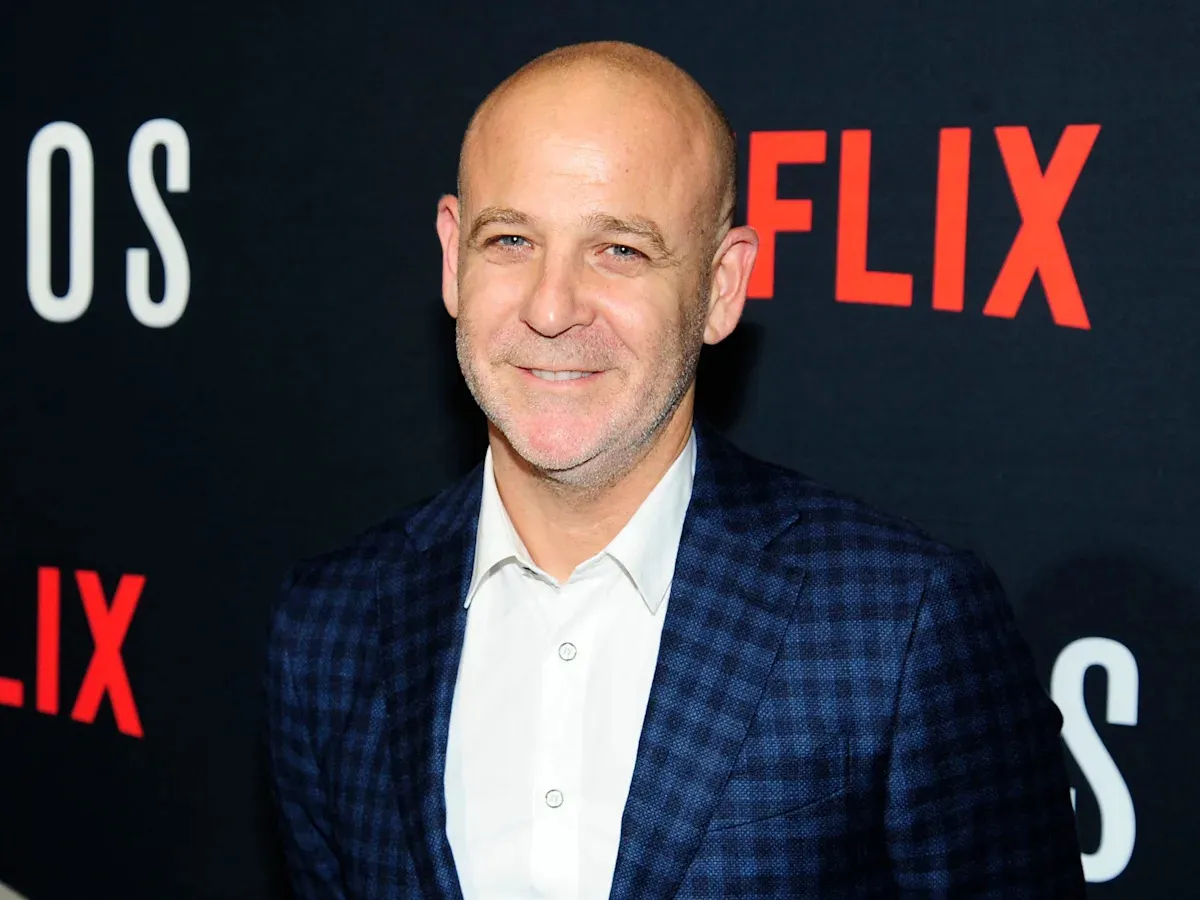
During the $11 million criminal fraud trial of director-producer Carl Rinsch, former Netflix executive Peter Friedlander testified about the collapse of the sci-fi project "White Horse". Friedlander recounted that instead of a completed series, Rinsch ultimately presented him with a coffee table book containing behind-the-scenes photographs from the aborted production.
Friedlander, who had overseen hit shows including House of Cards and Orange is the New Black, described being initially impressed by early footage of "White Horse" before repeatedly attempting to get updates from Rinsch. According to Friedlander, the director often left meetings prematurely, making it difficult to track the project's progress. Ultimately, no episodes were finished.
Prosecutors allege that Rinsch committed fraud and money laundering, diverting Netflix's $11 million budget to luxury items, cryptocurrency bets, and personal expenses. Rinsch's legal team frames the situation as a contractual disagreement, arguing that Rinsch was overwhelmed by his roles as director, writer, and producer and lacked sufficient support from Netflix.
Friedlander recalled a peculiar meeting at the Beverly Hills Four Seasons in May 2020, where Rinsch handed over a coffee table book as the only tangible result of the project. The book featured glossy photographs from filming in 2019, which had halted before completion. "He thought it would impress us," Friedlander told the jury.
Friedlander explained that he had greenlit "White Horse" for Netflix in 2018 after seeing early footage produced independently by Rinsch. The preliminary trailer depicted a futuristic society of artificial humans, which Friedlander described as "visionary" and visually unprecedented.
The 2019 production plans were ambitious, including filming in Budapest, Prague, Berlin, Brazil, Kenya, Mexico, and Uruguay. Friedlander noted early concerns about the absence of a line producer to manage complex international shoots. Later, Rinsch alerted Netflix via email that the budget had "exploded," suggesting either a reduced episode count or additional funding to continue production. Friedlander found this alarming and sought clarity on the cost overruns.
In October 2019, Friedlander and another executive traveled to Budapest to review footage from Brazil and Uruguay. Rinsch again left meetings early, providing limited information on expenses. By November, filming in Budapest concluded, but plans to continue elsewhere had vanished.
Emails introduced as evidence revealed that in February 2020, Netflix agreed to send $11 million to Rinsch's company, expecting regular updates in the form of weekly assembly cuts. However, the COVID-19 pandemic halted filming, and Friedlander noted that after seeing the coffee table book in May, there were no signs of progress. Netflix ultimately recorded the production costs as a loss in Q4 2020.
Author: Sophia Brooks
Share

Bad Bunny Dominates Latin Year-End Charts: Countdown to Billboard’s 2025 Year-End Charts
47 seconds ago 3 min read ENTERTAINMENT

RHOSLC’s Britani Bateman Shares Unpleasant Encounter with Luann de Lesseps at BravoCon
1 minutes ago 2 min read ENTERTAINMENT
The True Cause of Vecna's Fear of the Cave in Stranger Things Season 5
1 minutes ago 3 min read ENTERTAINMENT
Tennis Champion Aryna Sabalenka Showcases Strength and Style in Instagram Photo Collection
1 minutes ago 1 min read ENTERTAINMENT

Jafar Panahi reflects on his Iran prison sentence: 'I understand my films don't please the government' but 'I will return'
2 minutes ago 3 min read ENTERTAINMENT

Discussion on Film Production Design featuring 'The Testament of Ann Lee' and 'Train Dreams'
2 minutes ago 5 min read ENTERTAINMENT

The Reason Behind Top Navy Admiral's Sudden Resignation Revealed by Hegseth
2 minutes ago 3 min read ENTERTAINMENT

Andrew Scott will star alongside Lisa Kudrow in 'Comeback'
3 minutes ago 1 min read ENTERTAINMENT

Kylie Jenner's Decision to Undergo Stem Cell Therapy: 'A Significant Step Towards My Recovery'
3 minutes ago 3 min read ENTERTAINMENT
Prince Harry receives boos for mocking 'King' Trump on 'Late Show With Stephen Colbert'
4 minutes ago 2 min read ENTERTAINMENT