

Pete Hegseth's "warrior ethos" is simply cowardice in disguise
- HOME
- ENTERTAINMENT
- Pete Hegseth's "warrior ethos" is simply cowardice in disguise
- Last update: 2 days ago
- 2 min read
- 700 Views
- ENTERTAINMENT
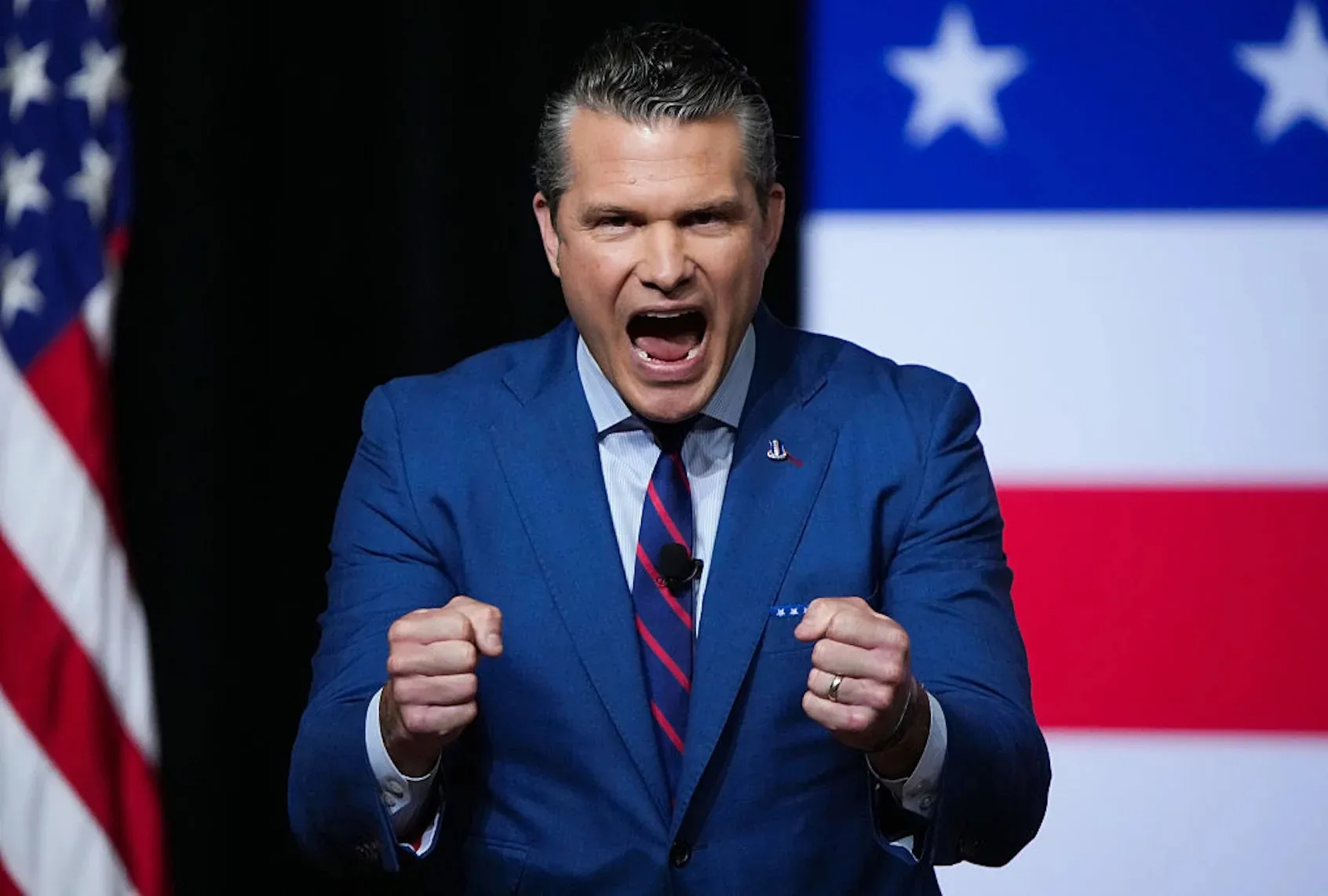
Defense Secretary Pete Hegseth projects an image of toughness, but his public persona suggests insecurity rather than genuine courage. The former media personality constantly boasts about his strength and daring, yet the flamboyance and intensity of his claims feel more like overcompensation than authentic valor.
With meticulously styled hair and a confrontational posture, Hegseth emphasizes style over substance. He prefers terms like warfighter over soldier and lethality instead of defense, even proposing to rename the Defense Department as the Department of War, a move critics view as symbolic posturing rather than serious policy.
Hegseth has lectured senior military leaders on his so-called warrior ethos, reflecting his desire to play a cinematic hero rather than address real strategic concerns. His focus on rigid male-level fitness standards and exclusion of women in these ideals reveals a fixation on outdated, childlike notions of what a soldier should be. Formerly in the Army, he resigned voluntarily, citing excessive political correctness, and as defense secretary, he has acted to remove female service members from roles they perform competently, suggesting insecurity in the face of real ability.
The recent controversy surrounding U.S. strikes on civilian boats off Venezuela starkly illustrates Hegseths approach to leadership. Reports indicate that, following an initial strike, a second missile was launched to eliminate survivors, actions widely considered illegal and morally indefensible. Hegseth allegedly encouraged such measures, later bragging about observing the strikes on live video. Rather than taking responsibility, he has attempted to shift blame to subordinates while maintaining a public image of authority.
This pattern of behavior underscores Hegseths reliance on dominance and intimidation rather than true bravery. Historical allegations of sexual misconduct, whether substantiated or not, alongside his personal life choices, reinforce a profile of a man who hides insecurity behind aggressive displays. His tenure at the Pentagon has also involved attempts to remove or censor information that challenges his worldview, reflecting an aversion to discomfort or accountability.
Ultimately, Hegseths reputation as a tough, warrior-like figure contrasts sharply with his actions. From overseeing remote killings of unarmed civilians to avoiding responsibility for his decisions, he demonstrates fear masquerading as strength. Even by standards set by his political allies, his sensitivity and need for protection from scrutiny expose a man more concerned with appearances than with genuine courage.
Author: Benjamin Carter
Share

Hegseth's 2016 Warning on Military Nukes in Response to Trump's Attack on Democrats
2 days ago 2 min read POLITICS

Pete Hegseth's "warrior ethos" is simply cowardice in disguise
2 days ago 2 min read ENTERTAINMENT

Congress intensifies scrutiny of Pete Hegseth over boat accidents
2 days ago 4 min read POLITICS
The defense secretary's sign had an unfortunate misspelling.
2 days ago 1 min read POLITICS

Pete Hegseth advocates for stricter physical standards in the military, accepts exclusion of women if necessary
2 days ago 2 min read POLITICS

Social Media Speculates on Intentionality of Hegseth's Misspelled Placard as Nazi Reference
2 days ago 1 min read BUSINESS

Pete Hegseth urged US soldiers in Iraq to disregard legal advice on rules of engagement
3 days ago 3 min read POLITICS

Pentagon Pete Sacrifices Elite Commander Over Alleged 'Illegal' Order
3 days ago 3 min read POLITICS

Mark Kelly criticizes Pete Hegseth for pretending to be a soldier
3 days ago 2 min read POLITICS